
Thermal insulation materials
The Balticfloc product range includes eco-friendly thermal insulation materials, auxiliary materials for their installation, and other products made from recycled cellulose fiber. Each product is designed for a specific application to fully utilize the properties of cellulose fiber.
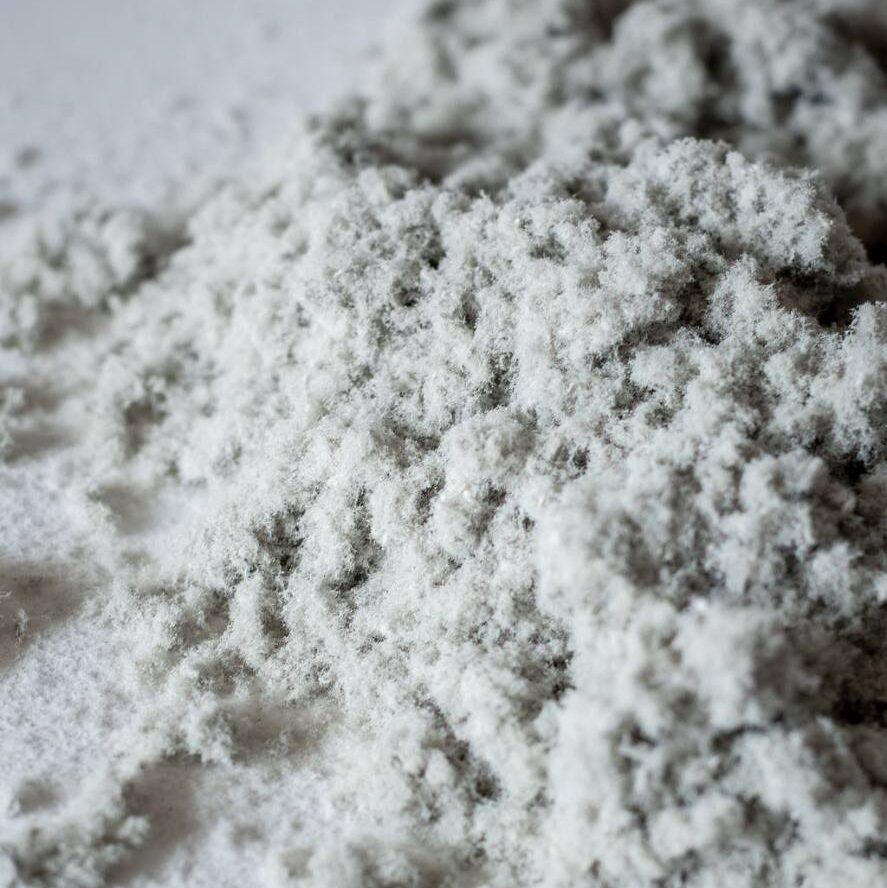
Balticfloc Cellulose Spill Absorbent
Cellulose absorption materials for containing and collecting spills of oils, petroleum products and other liquid chemicals.
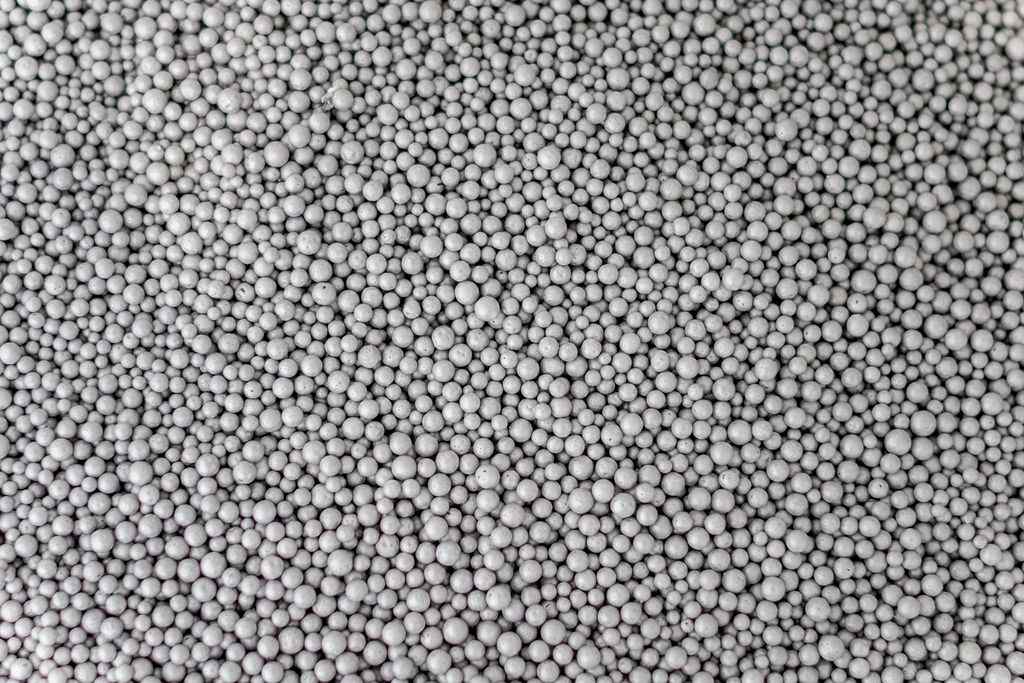
Blaticfloc Grand Full Polystyrene Granules
Loose-fill polystyrene granules for insulating enclosed cavities and filling hard-to-reach air gaps in existing building structures.
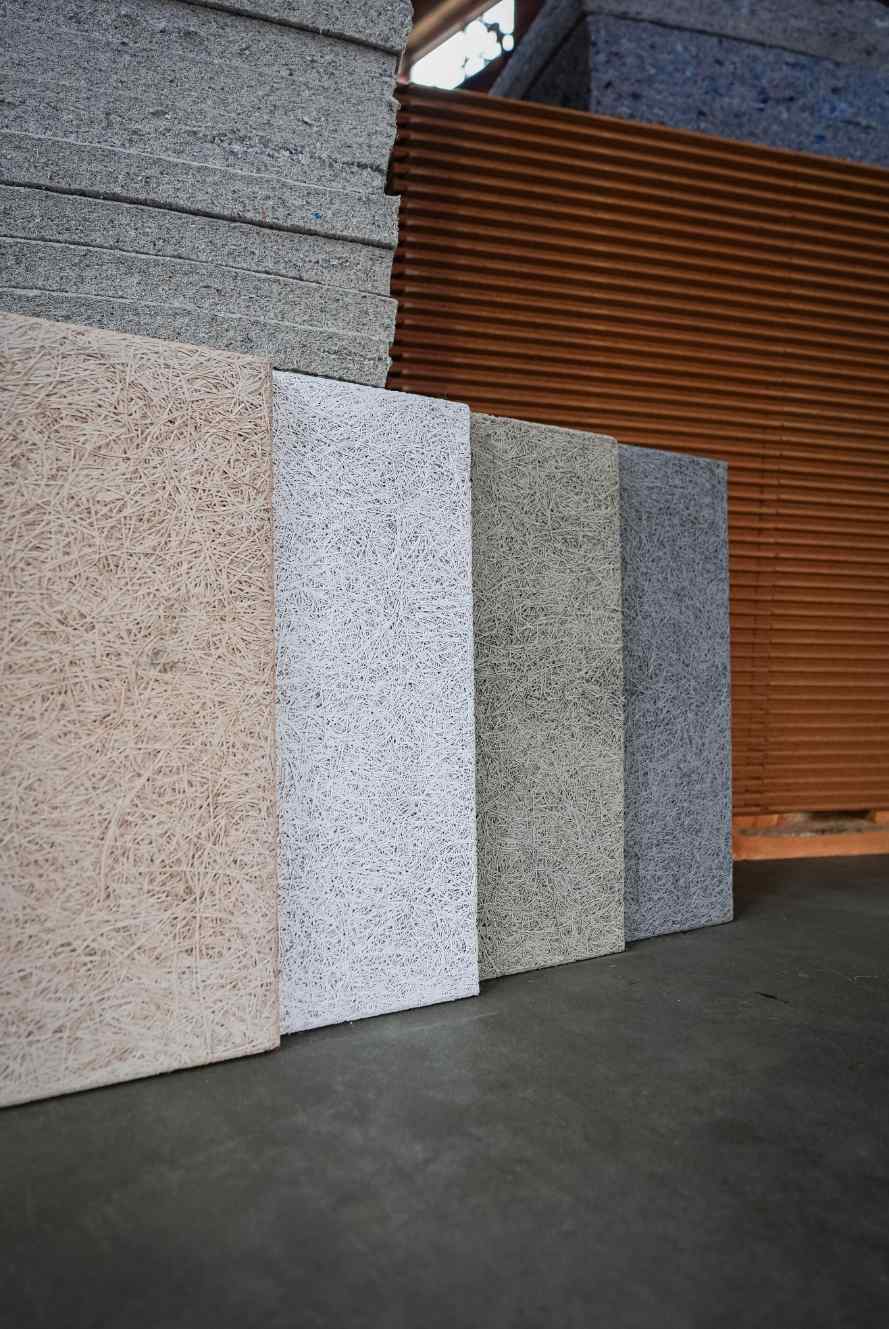
Ceiling Insulation Materials
Fibrolite ceiling boards for acoustic and decorative finishes in homes, offices, educational facilities and other interior spaces.
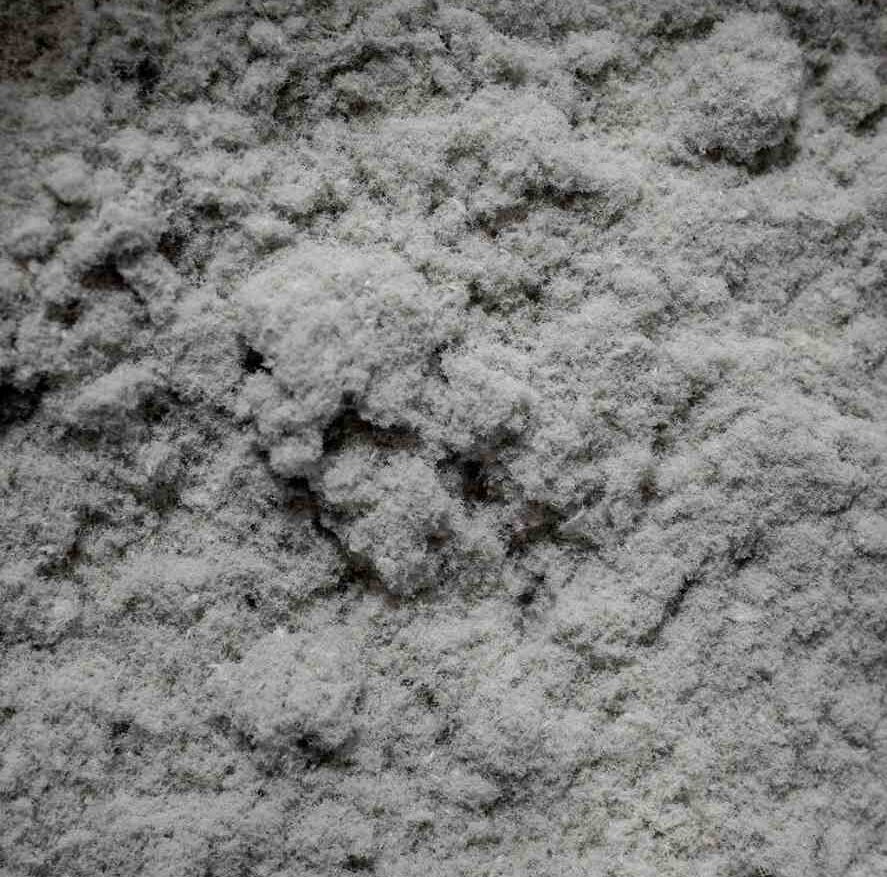
Cellulose Additives for Road Construction
Cellulose additives for road construction designed to stabilize stone mastic asphalt (SMA) mixtures and reduce bitumen drainage.
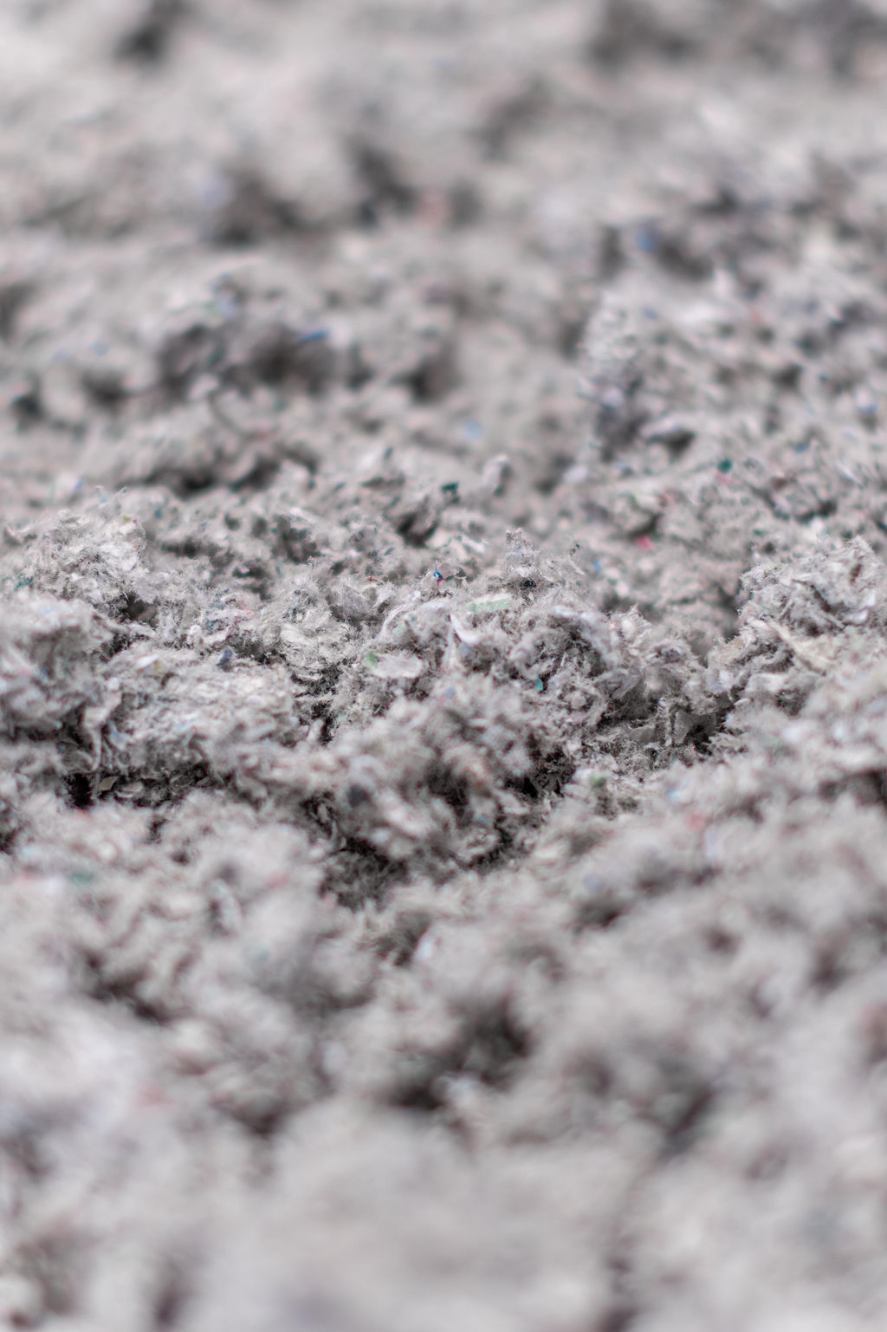
Cellulose Mulch
Cellulose mulch is a versatile fiber material for hydroseeding and other products and production processes.
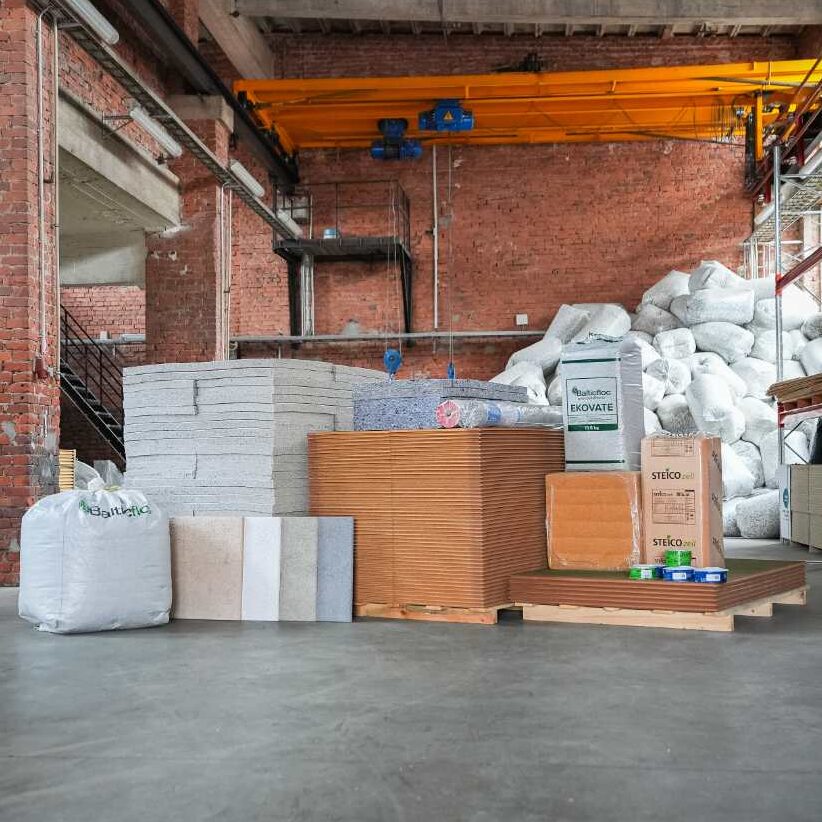
Construction Boards
Fiberboards, fibrolite boards, particleboards and OSB boards for timber-frame construction, thermal insulation systems and interior finishing.
Construction Films
Construction films and membranes for vapor control, wind protection, roof diffusion and condensation management in building structures.
Construction Tapes
Construction tapes for sealing joints, overlaps and connection points between building membranes and surrounding structures.
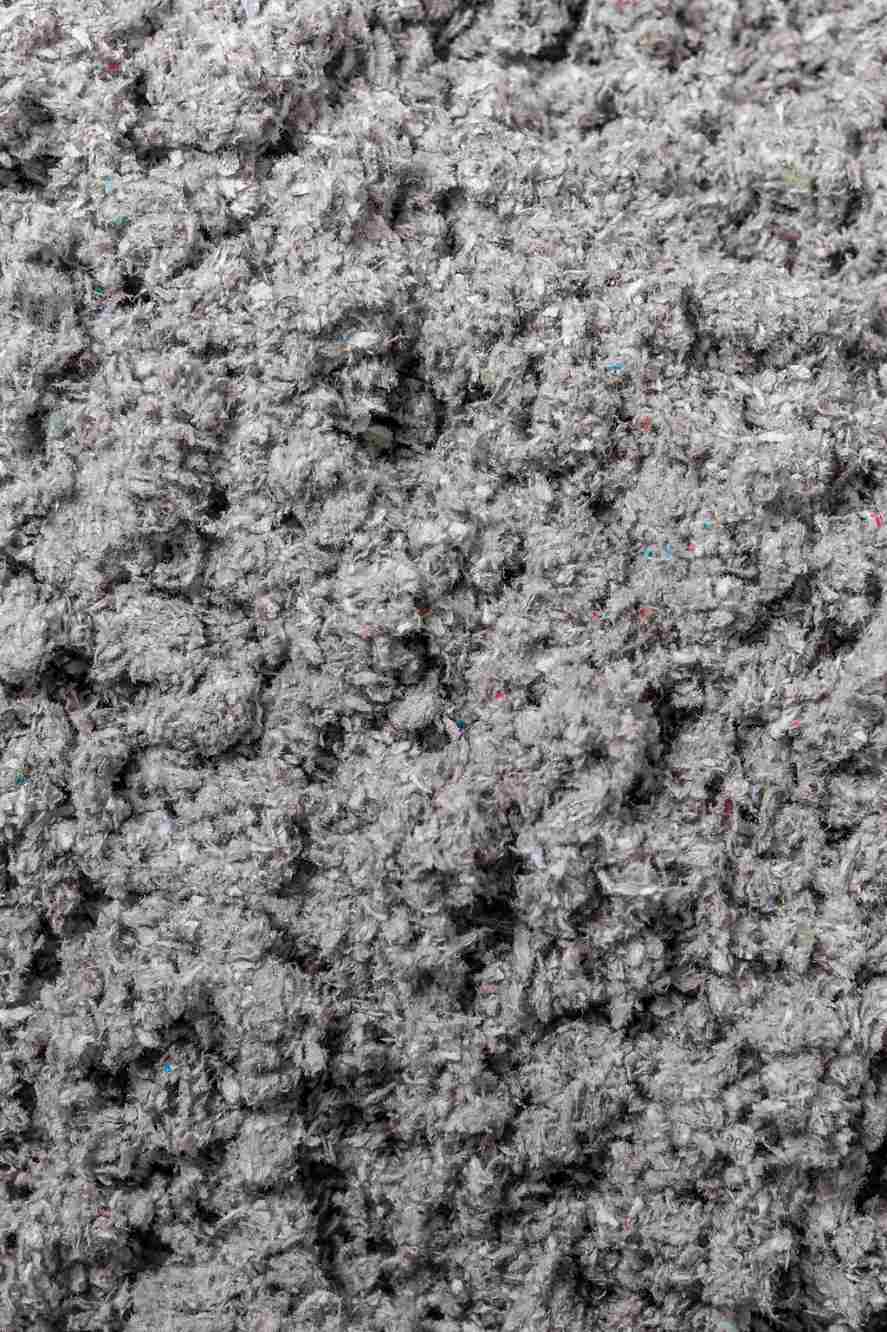
Ecowool
Loose-fill and board-form insulation made from wood and cellulose fibers for a wide range of building structures.
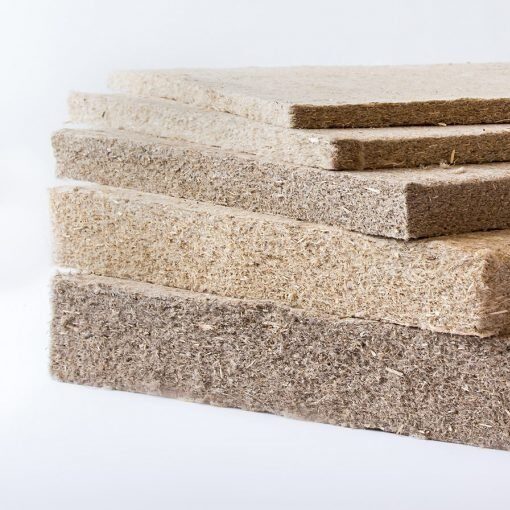
Hemp Wool Insulation
Flexible hemp wool insulation for walls, roofs, floors and other building structures.
How can you avoid common mistakes when choosing and installing eco-friendly insulation?
Eco-friendly insulation materials are effective and durable when installed correctly. Most problems are caused not by the materials themselves, but by choosing the wrong solution or making mistakes before or during installation.
How do you choose the right thermal insulation material for a structure?
Not all thermal insulation materials perform the same way or suit the same applications. Differences in their form and installation method affect where and how they can be used. A material that works well in an open attic, for example, may not be suitable for an enclosed wall cavity. Choosing the wrong thermal insulation material can:
- make proper installation difficult;
- prevent the material from performing as intended;
- reduce energy efficiency.
To avoid these problems, consider the structure you need to insulate before purchasing a material. The right choice will depend on where the insulation is being installed and the conditions it needs to withstand.
Why do insulation materials need to work with the rest of the building structure?
Choosing insulation based only on its properties or cost can lead to problems if the surrounding materials are overlooked. Walls, roofs, and floors are made up of different components that need to work together. For example, pairing insulation with an unsuitable membrane or panel can:
- allow moisture to accumulate within the structure;
- limit the insulation’s ability to reduce heat loss;
- create conditions that promote mold growth.
Insulation should therefore be selected with the entire building system in mind. The surrounding materials and how they interact with the insulation should be considered before installation.
Why is proper thermal insulation installation important?
Thermal insulation must be installed carefully to create a continuous layer. Gaps between the insulation and the building structure can create thermal bridges, allowing heat to escape more quickly through those areas. Even a high-quality insulation material cannot perform to its full potential if it is installed incorrectly.
Installation requirements vary between insulation materials, so following the guidelines for the selected material is essential for achieving the correct density and coverage.
How can moisture affect insulation and building structures?
Moisture is generated in every building through everyday activities such as cooking, showering, and drying laundry. If that moisture cannot move properly through the building structure, it can accumulate within certain layers.
Over time, excess moisture can damage insulation and other parts of the structure. Proper moisture control and air exchange should therefore be considered during the design phase.