
Cellulose Insulation (Ecowool)
Balticfloc Ecowool turns recycled paper into effective loose-fill cellulose insulation. Its soft fibers fill gaps and irregular spaces, creating a continuous insulation layer that helps reduce heat loss.
What makes Balticfloc ecowool different?
Balticfloc manufactures Ecowool in Latvia from waste paper recycled at its own facility. The quality of the raw material is carefully controlled before it enters production, helping maintain consistent properties in the finished cellulose insulation.
The interlocking cellulose fibers create small air-filled spaces that limit heat transfer through the insulation. Their fibrous structure also helps absorb sound. Natural salts are added during production to improve fire performance and help protect the material from pests.
This combination produces a high-quality loose-fill cellulose insulation while giving recycled paper a valuable new use.
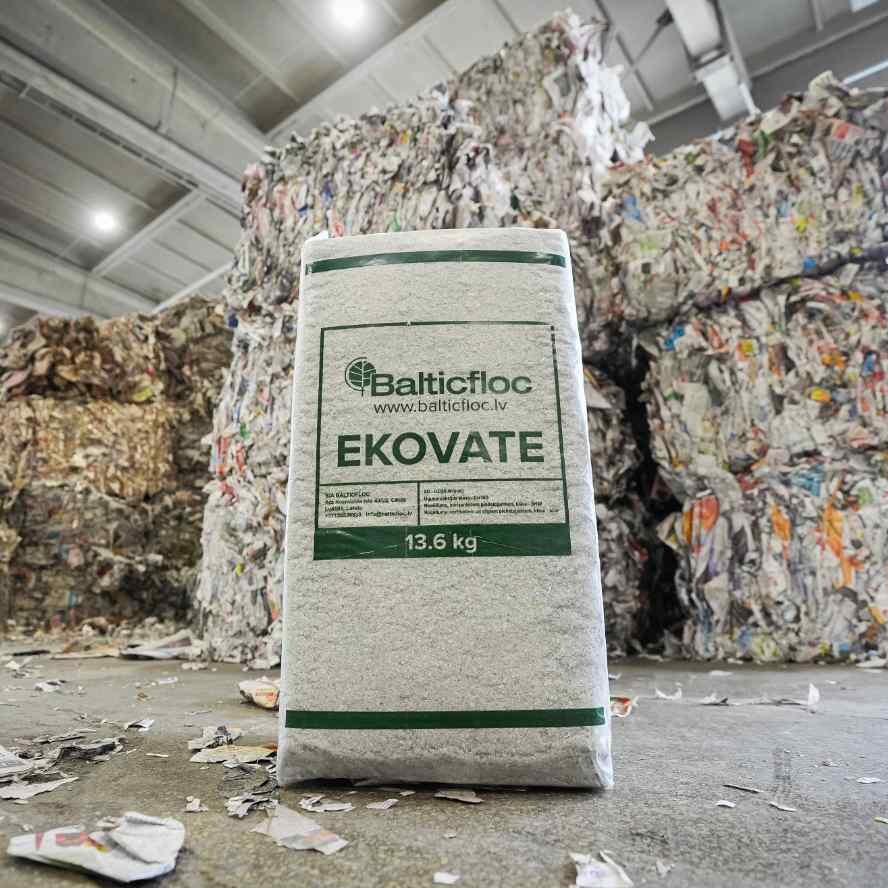
How does recycled paper affect the quality of cellulose insulation?
Not every type of waste paper is suitable for producing high-quality Ecowool. Balticfloc carefully selects its raw materials because the condition and composition of the paper can affect:
- the cellulose defibration process;
- the uniformity of the resulting fiber mass;
- the amount of dust in the finished insulation.
Dry, uncontaminated waste paper is preferred. Laminated and glossy materials are excluded, while unwanted impurities are removed before further processing. Careful raw material selection helps produce a more uniform fiber structure and limits unwanted dust in the finished insulation.
Learn more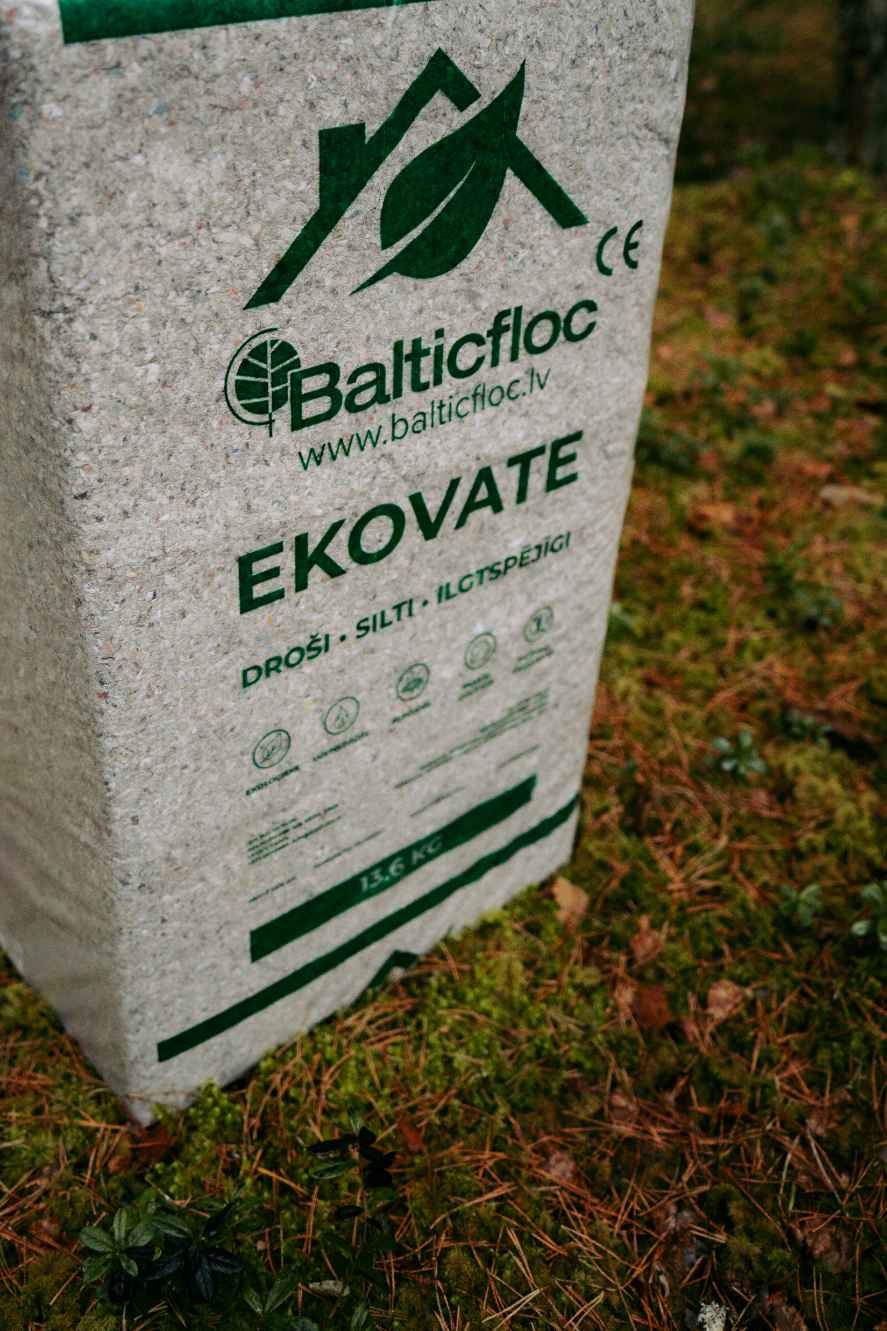
How is ecowool manufactured?
Producing ecowool is primarily a mechanical recycling process in which dense waste paper is gradually transformed into a loose mass of cellulose fibers. Balticfloc carefully controls each stage to achieve the fiber structure and properties required for use as thermal insulation.
Waste paper preparation
Dry, uncontaminated paper and cardboard are sorted for production. Laminated and glossy materials are removed, along with unwanted plastic and metal contaminants. The remaining waste paper is then shredded for further processing.Cellulose defibration and addition of functional additives
The shredded paper undergoes defibration, a mechanical process that breaks down the original paper structure and separates the individual cellulose fibers. Processing continues until the paper is transformed into a soft, fluffy fiber mass.During defibration, a controlled amount of natural salt additive is incorporated into the fibers. These salts improve the protective properties of the finished cellulose insulation.
Packaging
The finished loose-fill cellulose insulation is packaged in bags for transportation and storage. The packaging protects Ecowool from contamination and environmental exposure, helping preserve its quality until installation.Why choose Balticfloc cellulose insulation?
Balticfloc ecowool makes efficient use of materials from production through installation. Recycled paper is transformed into effective cellulose insulation, while its loose-fill form minimizes cutting and unnecessary material waste on site.
Loose-fill ecowool is installed directly into the building structure in the quantity required. Because the material does not need to be cut to fit, installation produces little excess insulation. More of the purchased material can therefore be used in the building instead of becoming construction waste.
Balticfloc regularly tests its Ecowool using EN 12667, EN 13501-1, and EN 15101, which cover important characteristics of cellulose insulation, including thermal performance and reaction to fire. Ongoing quality control helps ensure that the finished Ecowool meets applicable requirements and maintains consistent properties from one production batch to the next.
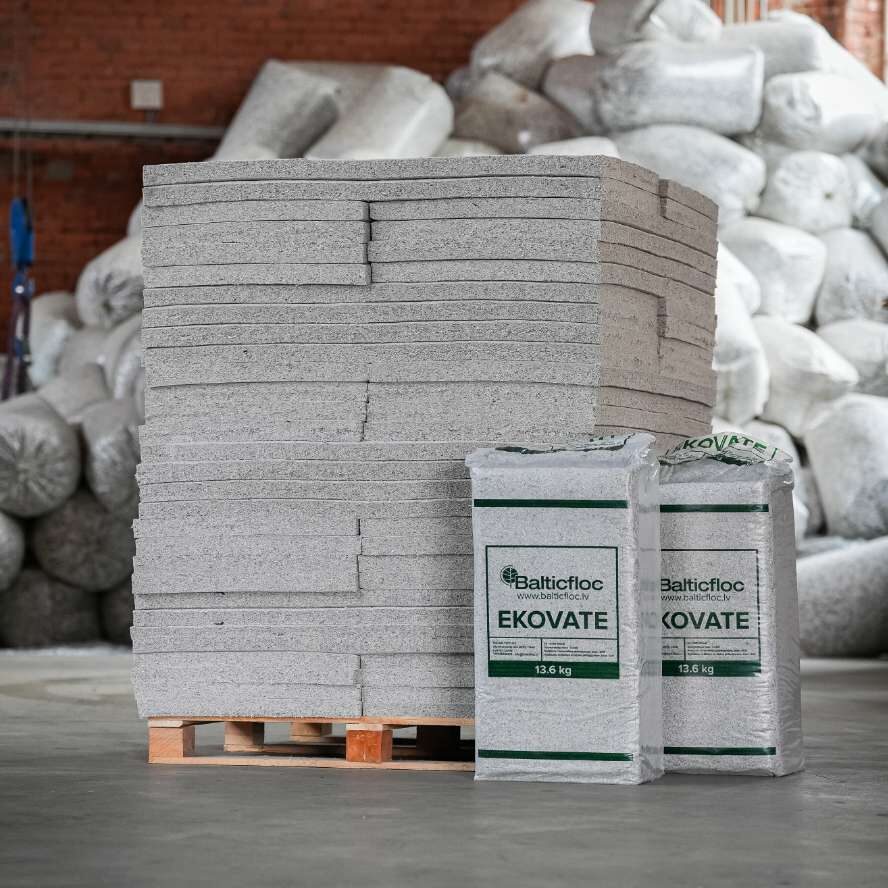
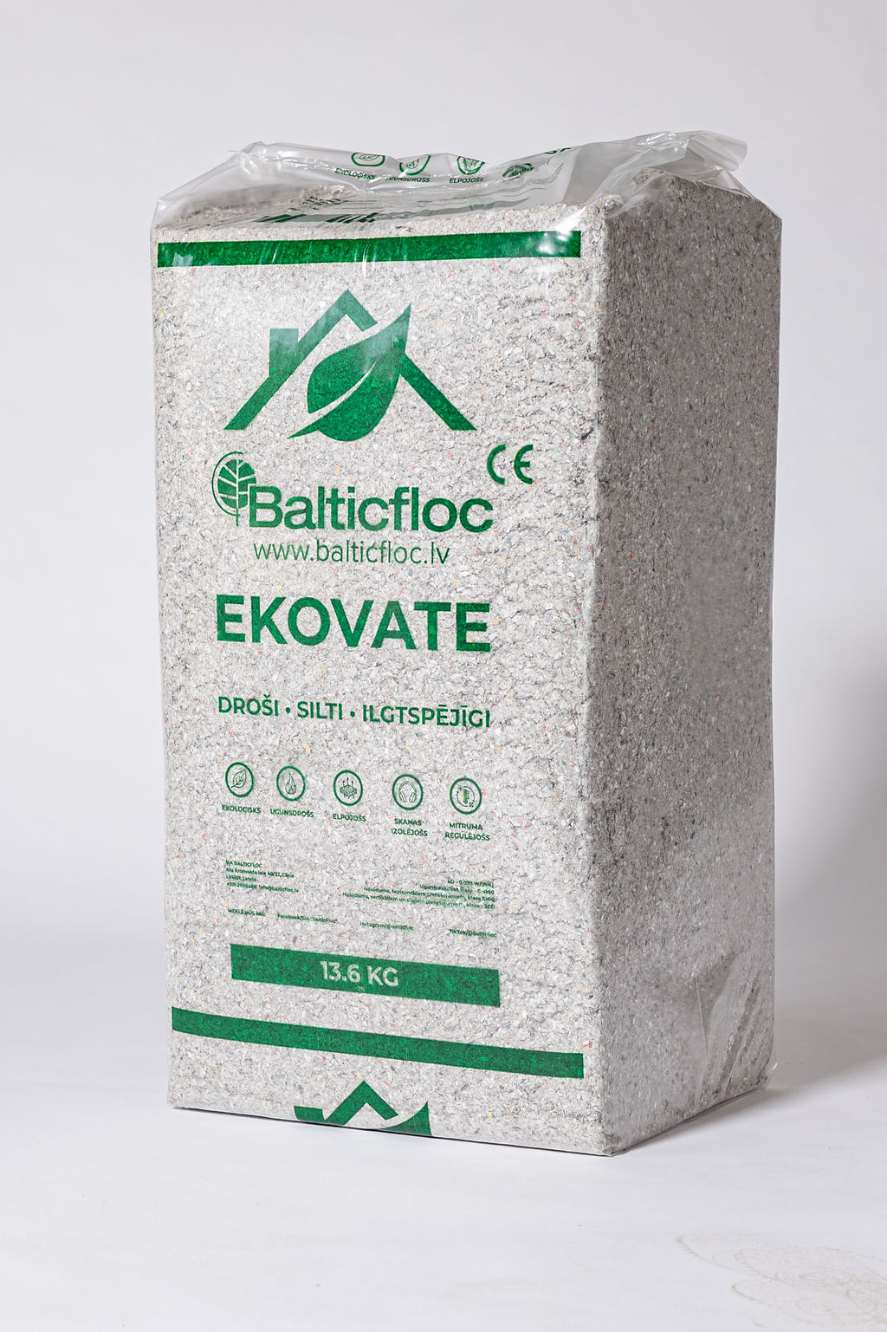
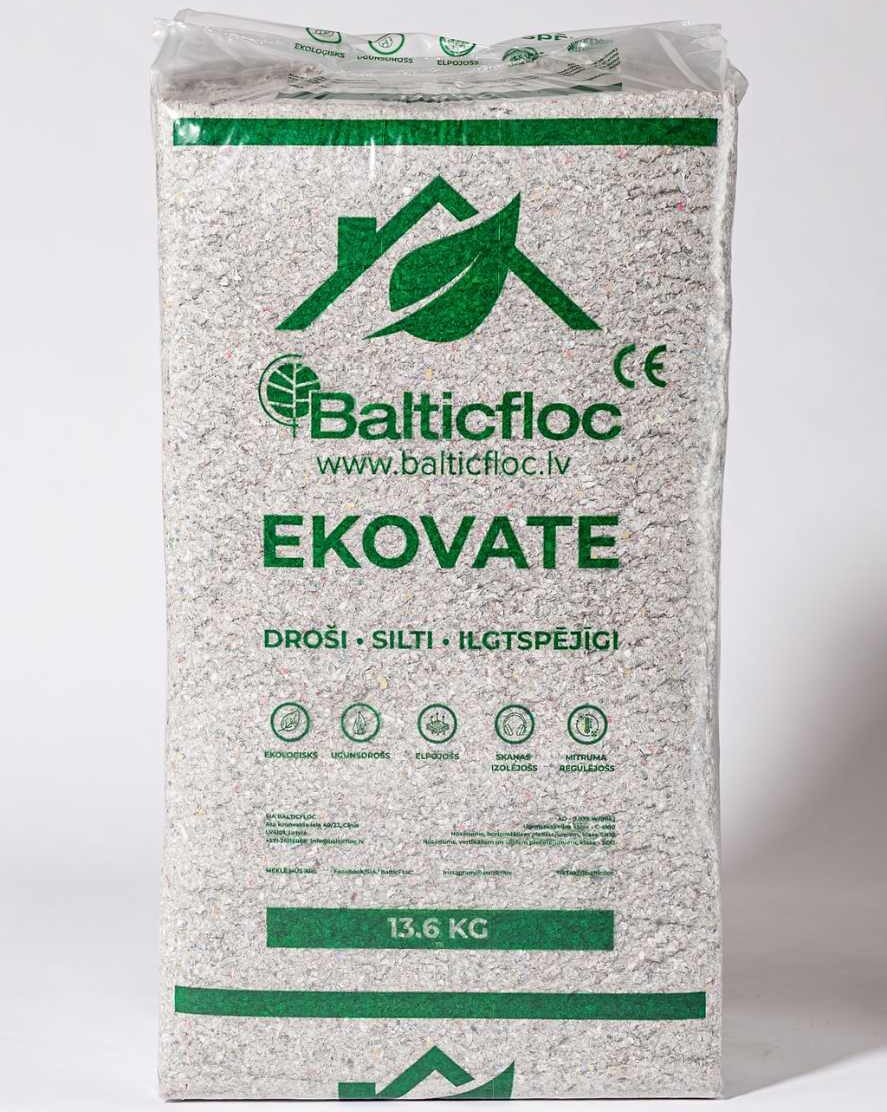
Ecowool 13.6 kg (30 lb) /bag
Balticfloc ecowool is a loose-fill cellulose insulation made from recycled paper for insulating building structures.
Ecowool 13.6 kg
10,89 €/pcs.
Ecowool is a natural, breathable, and effective thermal insulation material made from natural cellulose fibers derived from recycled paper.
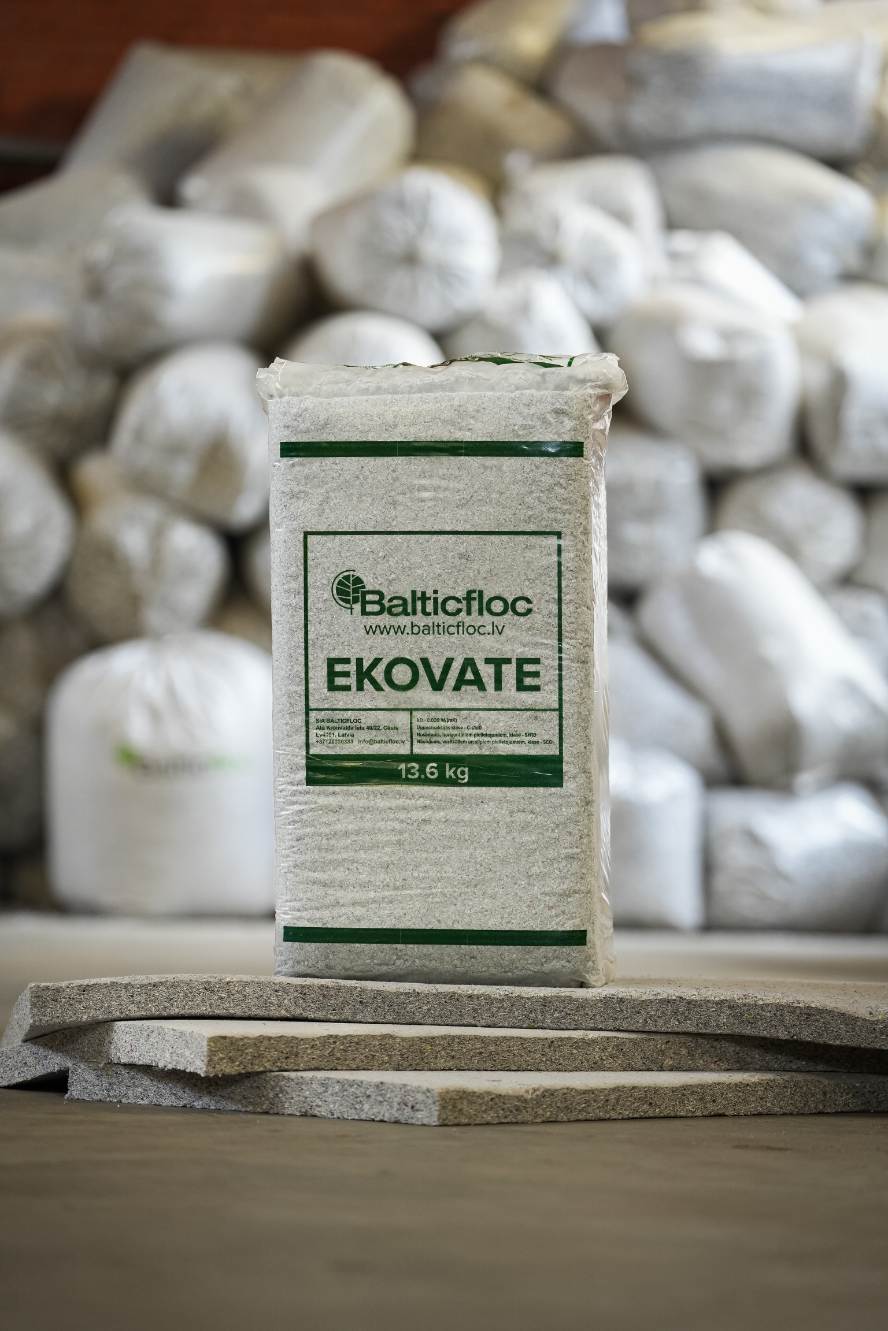
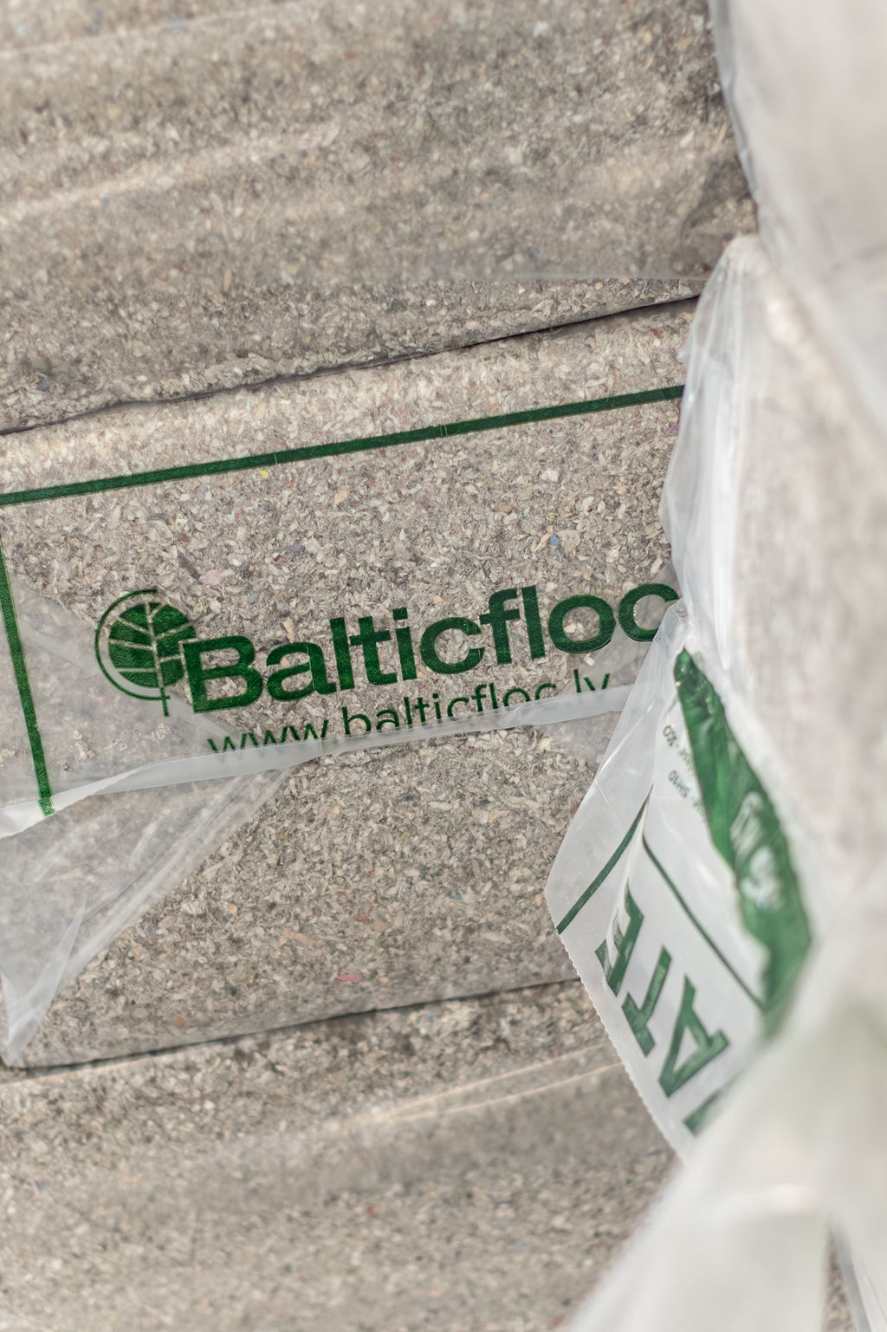
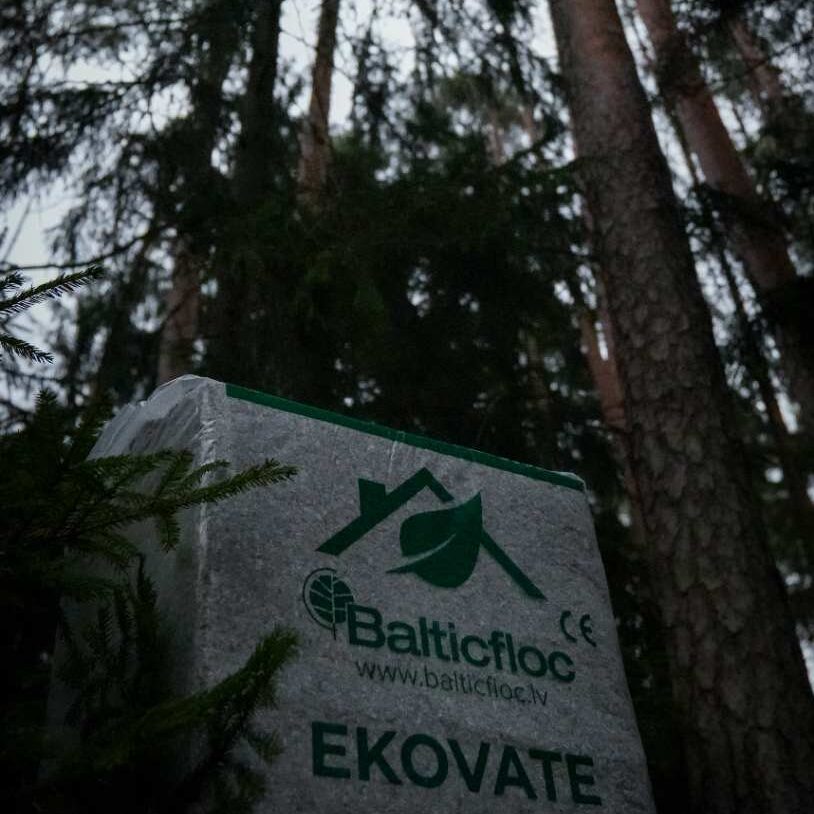
A closer look at ecowool
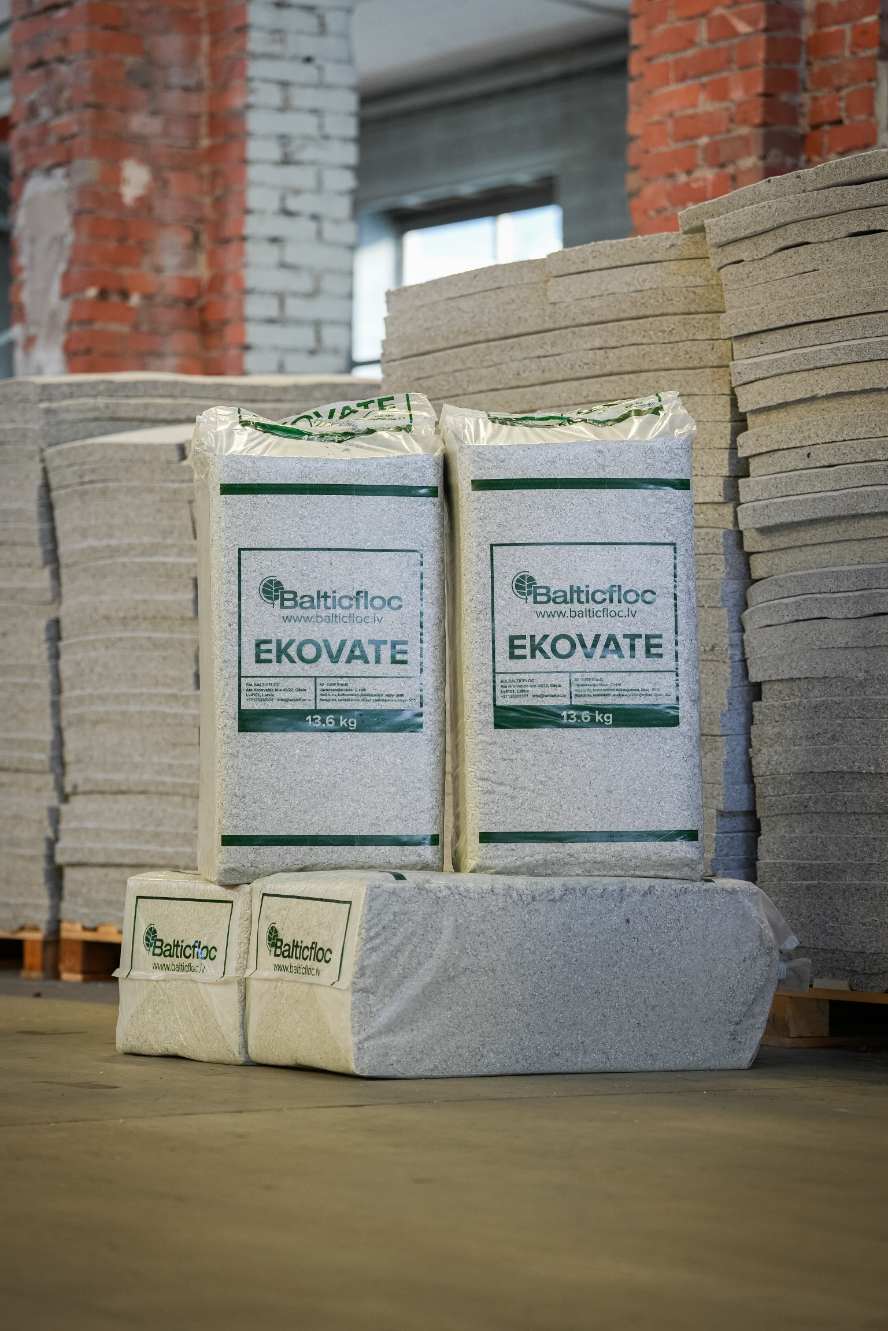
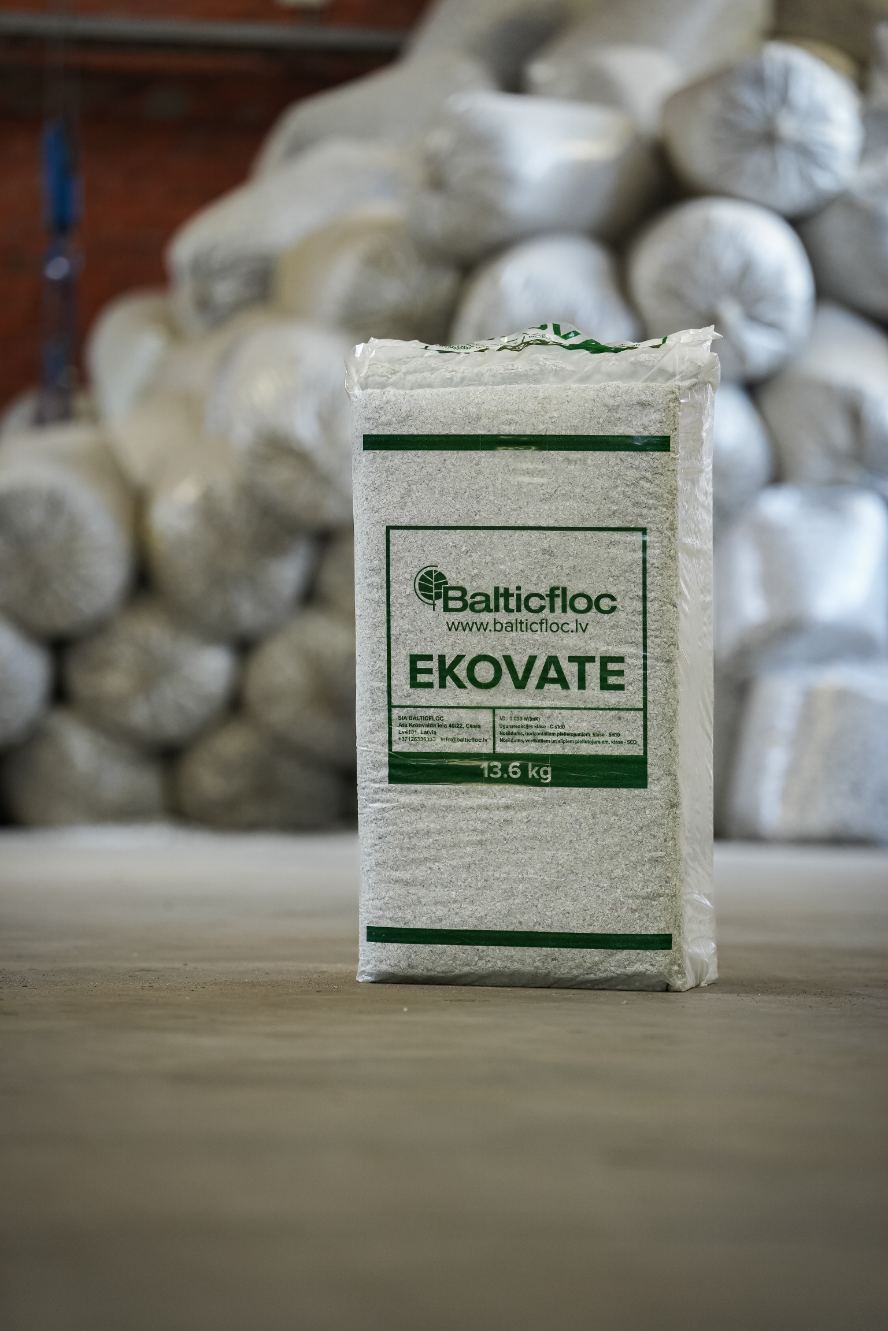
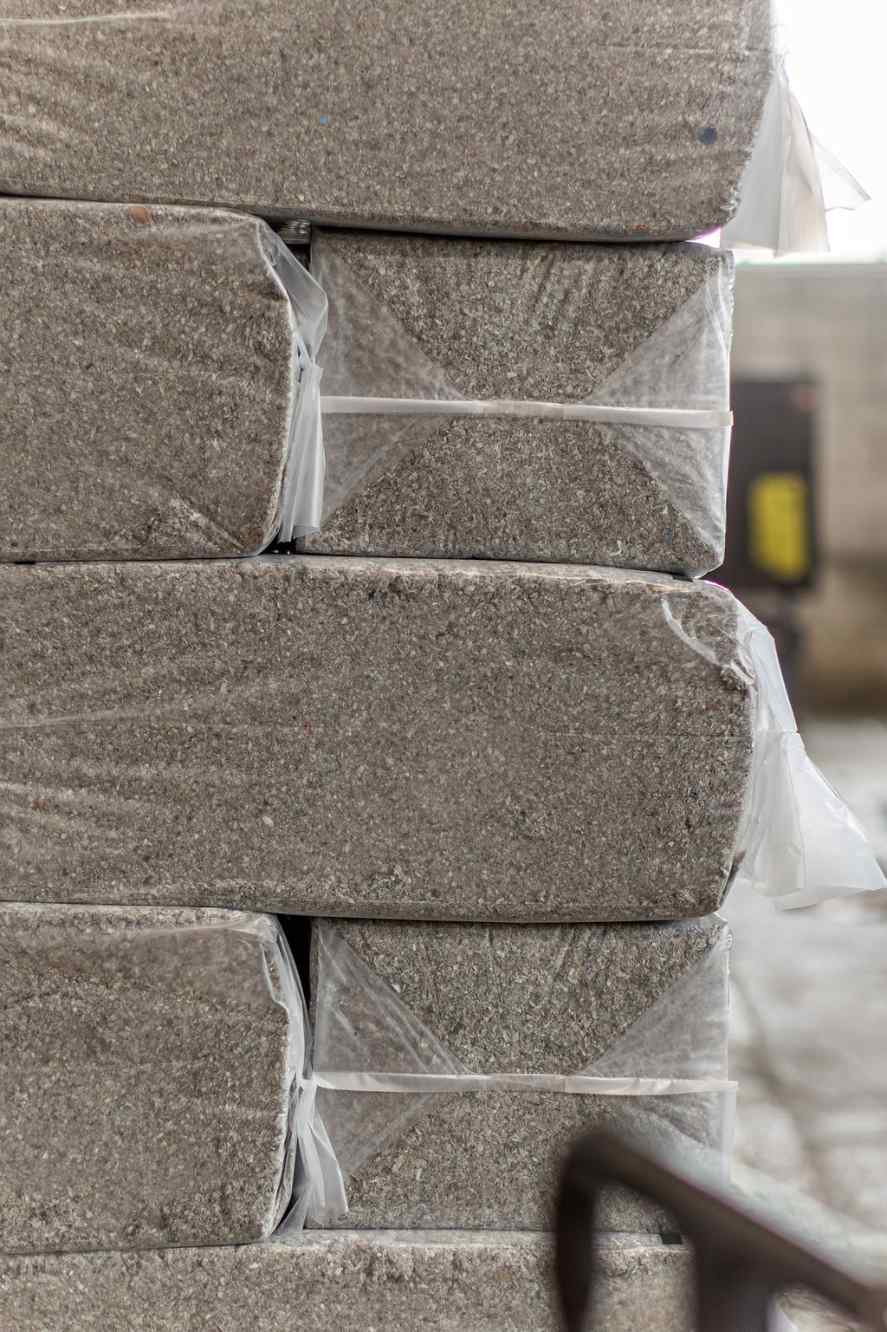
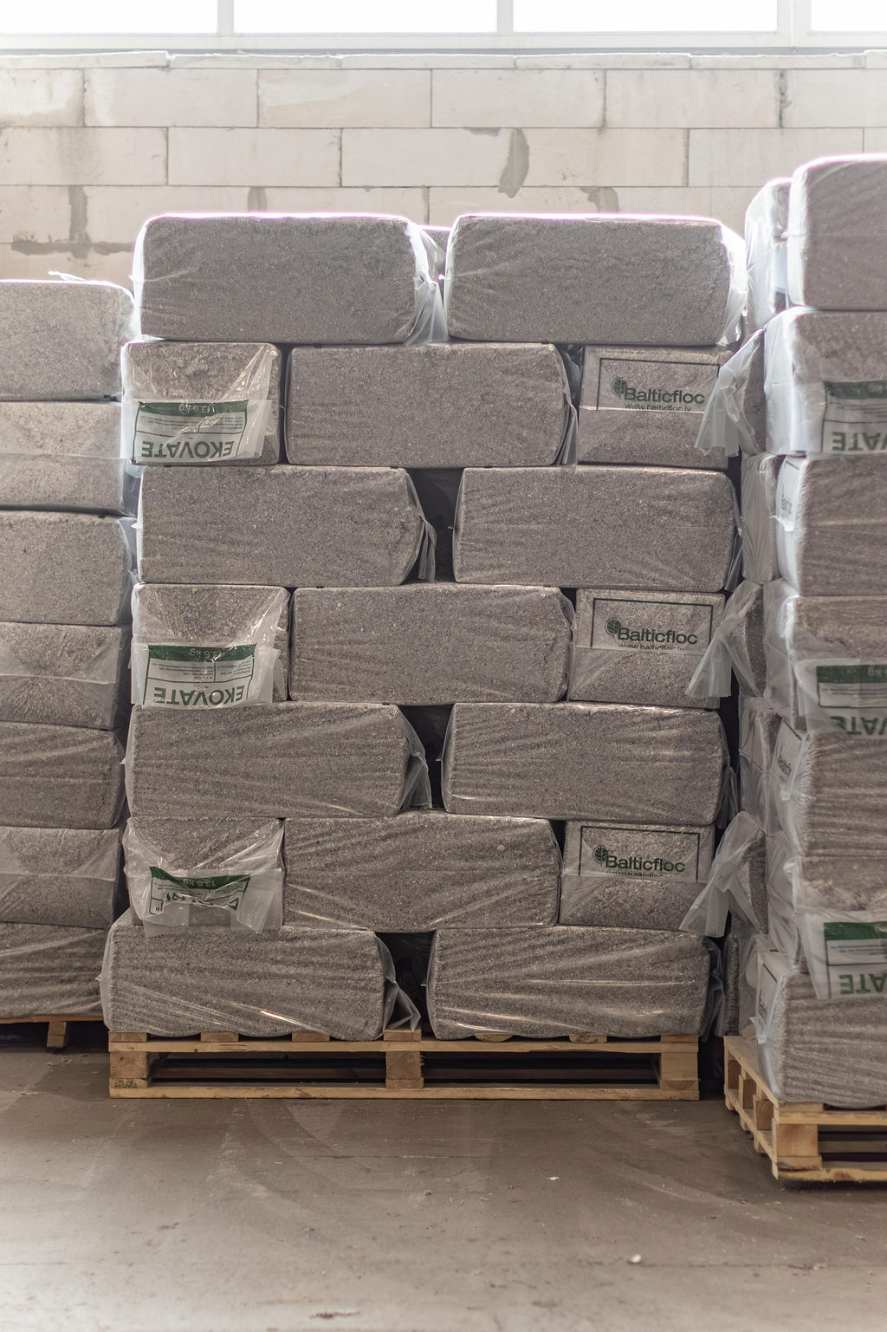
Questions and answers
Why is loose-fill ecowool tightly compressed in the package?
Compressing ecowool reduces its volume, making it easier to store and transport. During installation, specialized blowing equipment loosens the compacted cellulose fibers and carries them by airflow into the building structure. As a result, the material expands considerably during installation and occupies much more space than it does inside the package.
Does Ecowool require special storage conditions?
Yes. Ecowool should be stored in a dry place and protected from direct contact with moisture. Cellulose fibers are hygroscopic, meaning they can absorb moisture from the surrounding environment. Excess moisture during storage can affect the condition of the insulation and its suitability for installation. The packaging should remain closed until the Ecowool is ready to be used.
Can loose-fill ecowool be used to supplement an existing layer of thermal insulation?
Yes, in some cases. The condition and type of the existing insulation should first be assessed, along with the design of the building structure.
When the existing insulation is dry and in good condition, Ecowool can be added to increase the thickness of the insulation layer or fill areas where coverage is insufficient. For example, a new layer of loose-fill Ecowool can be installed over suitable existing insulation on an attic floor.