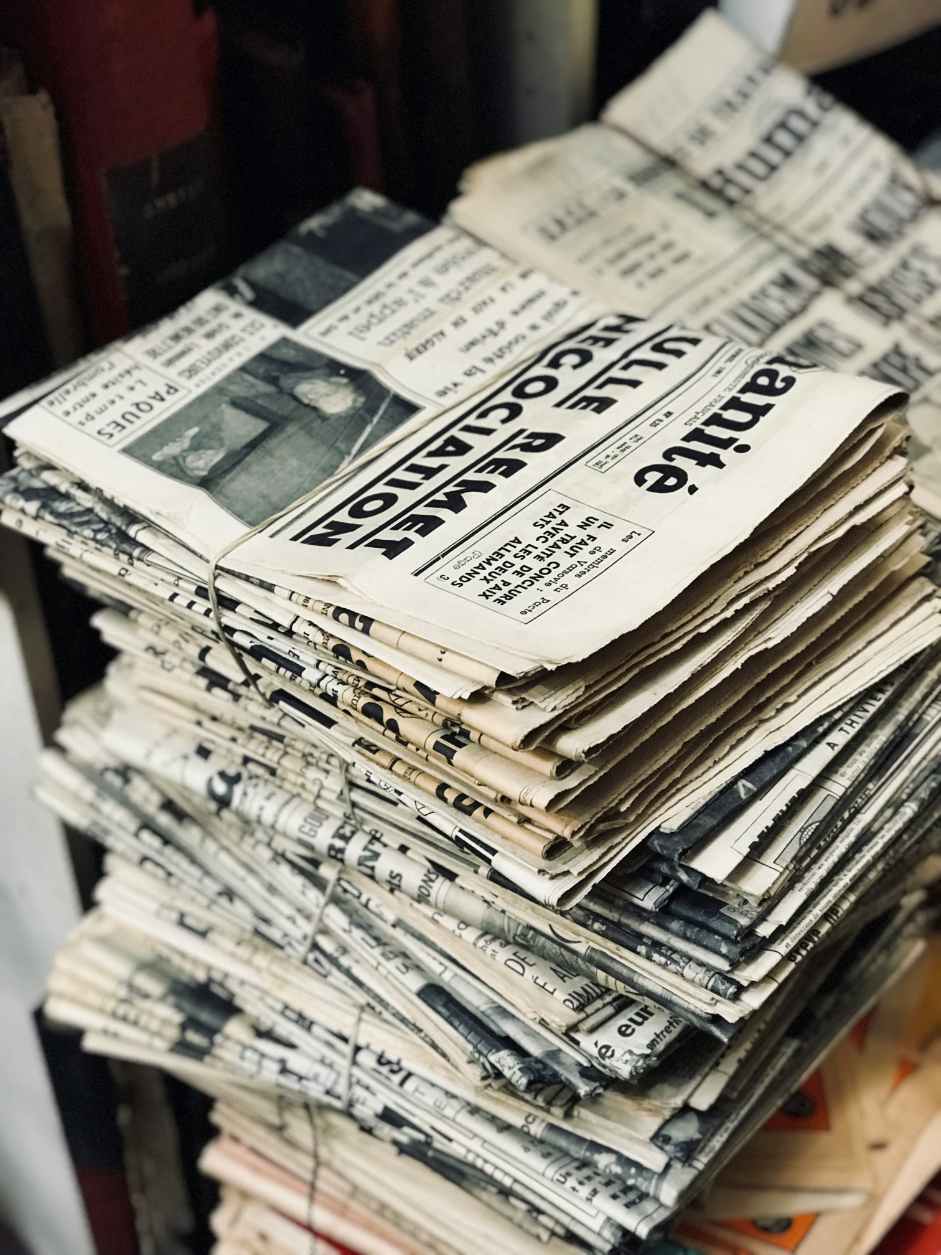
Waste Paper Collection
Balticfloc collects waste paper for recycling and uses it as a secondary raw material in the manufacture of new products. The service is available to both individuals and businesses looking for a responsible way to manage paper waste.
What types of waste paper are accepted?
Balticfloc uses waste paper as a raw material to manufacture various cellulose fiber products. Dry, uncontaminated waste paper is the most valuable for recycling, as it contains fewer impurities and can be processed more efficiently into high-quality cellulose fibers. We accept various types of paper products, including:
• books;
• magazines;
• brochures;
• printing offcuts;
• documents;
• other paper products.
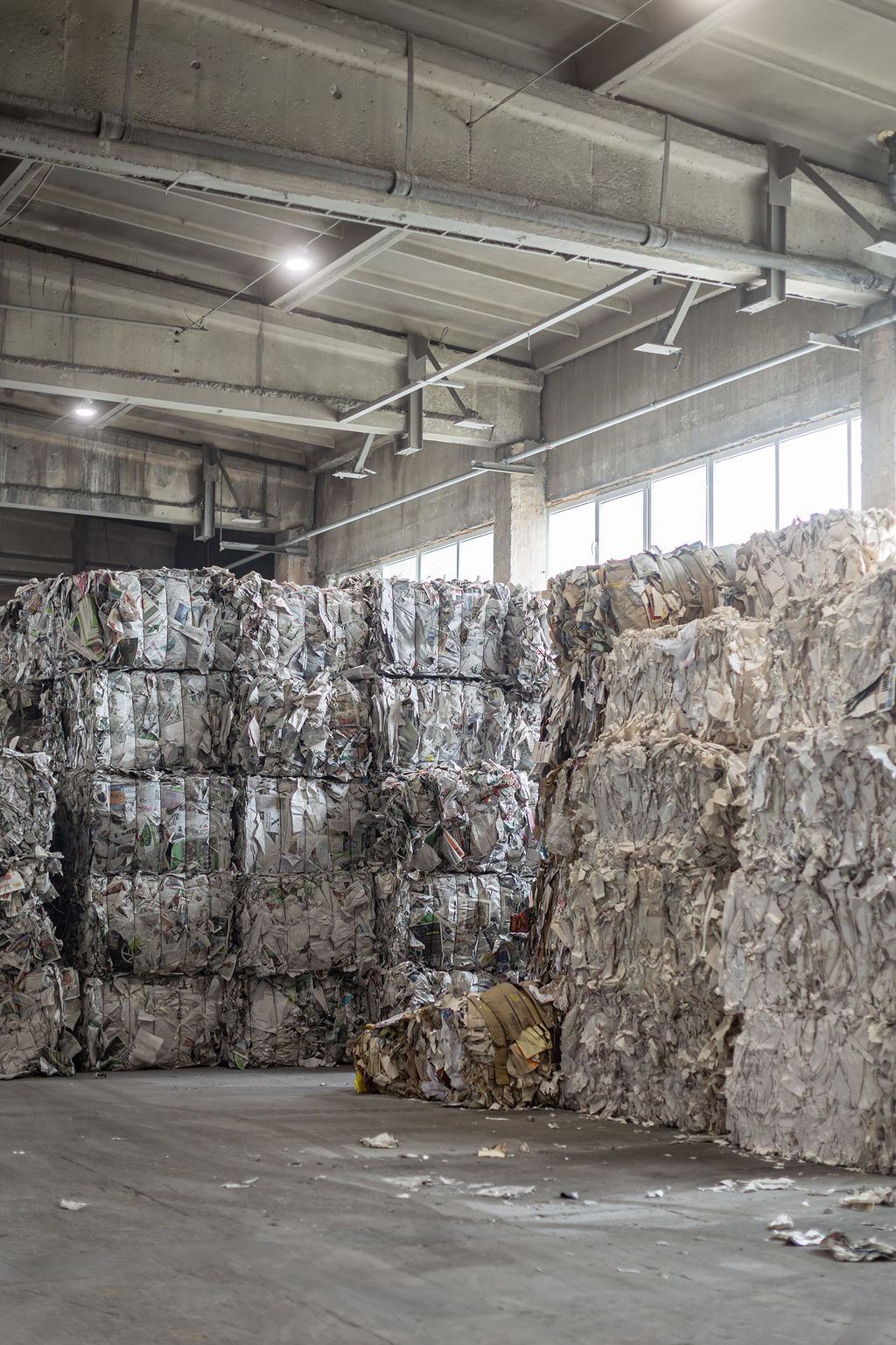
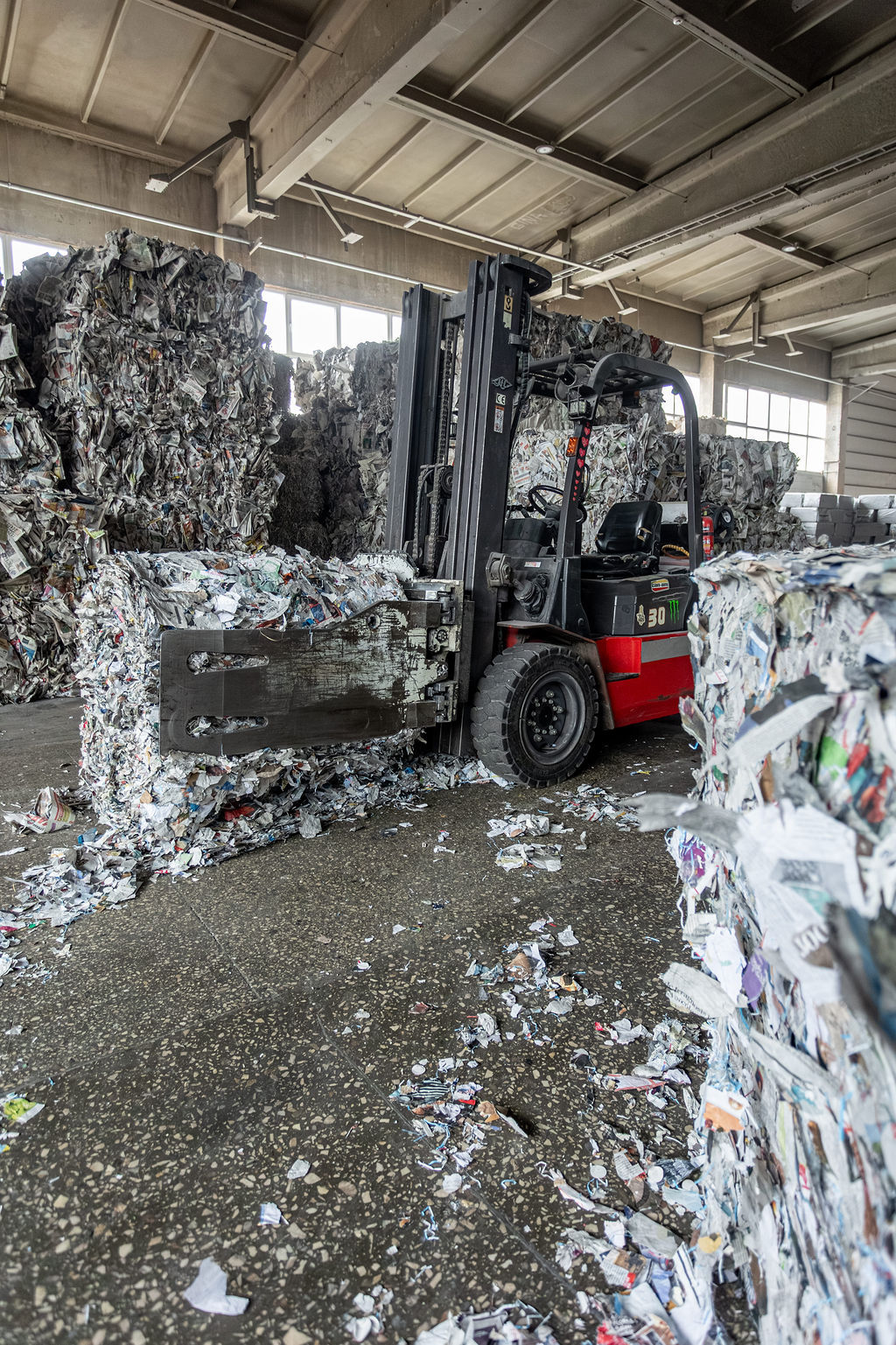
If you have questions about whether a specific material is suitable for recycling, please contact our specialists before dropping it off.
Does Balticfloc also accept poor-quality waste paper?
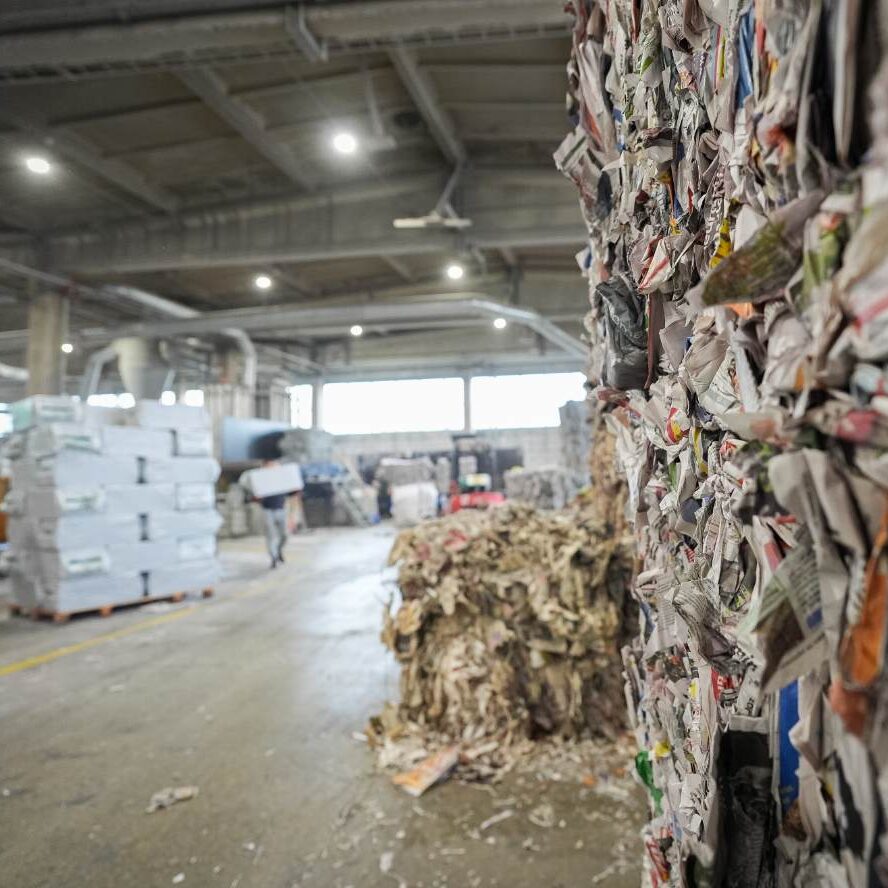
Balticfloc’s goal is to increase the amount of waste paper available for recycling, which is why the company is also developing technological solutions for processing lower-quality paper products. This creates opportunities to recycle waste paper that previously could not be fully used to manufacture new products, such as:
- short-fiber waste paper;
- soaked and soiled paper products;
- other paper products that are difficult to recycle.
This helps keep more paper waste out of landfills and gives difficult-to-recycle paper a new use. However, not all lower-quality waste paper can be recycled. Its quality and level of contamination are considered when assessing its suitability for recycling.
How do I prepare waste paper for drop-off?
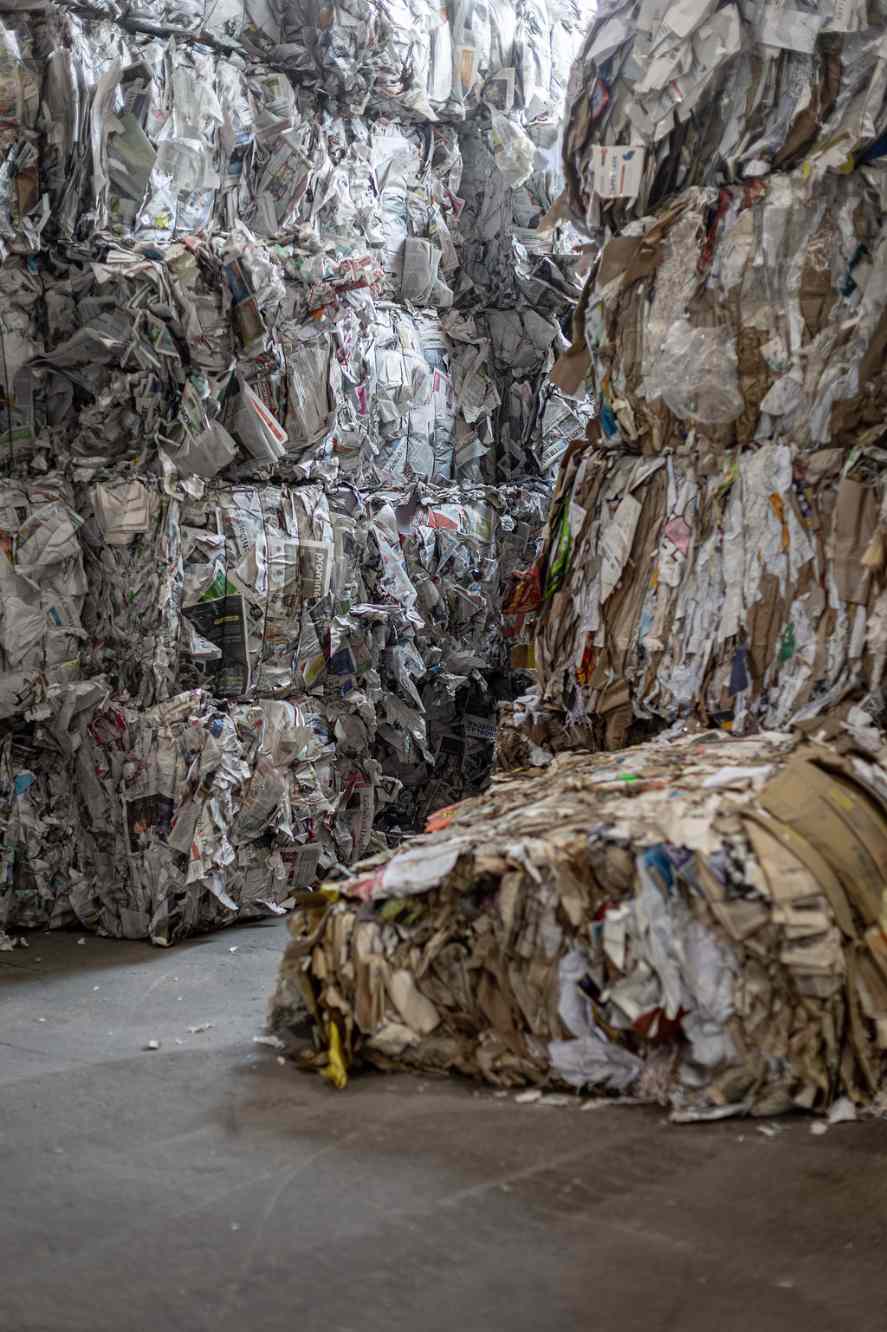
Properly preparing waste paper makes it easier to accept and helps ensure that more of the material can be used in the recycling process. Before dropping it off, we recommend taking the following steps:
- Store waste paper in a dry place to prevent it from getting damp and losing quality;
- Where possible, separate paper from plastic, metal, and other waste that may hinder recycling;
- Tie larger quantities of waste paper together or place them in boxes to make them easier to transport and accept.
What happens to waste paper after it is collected?
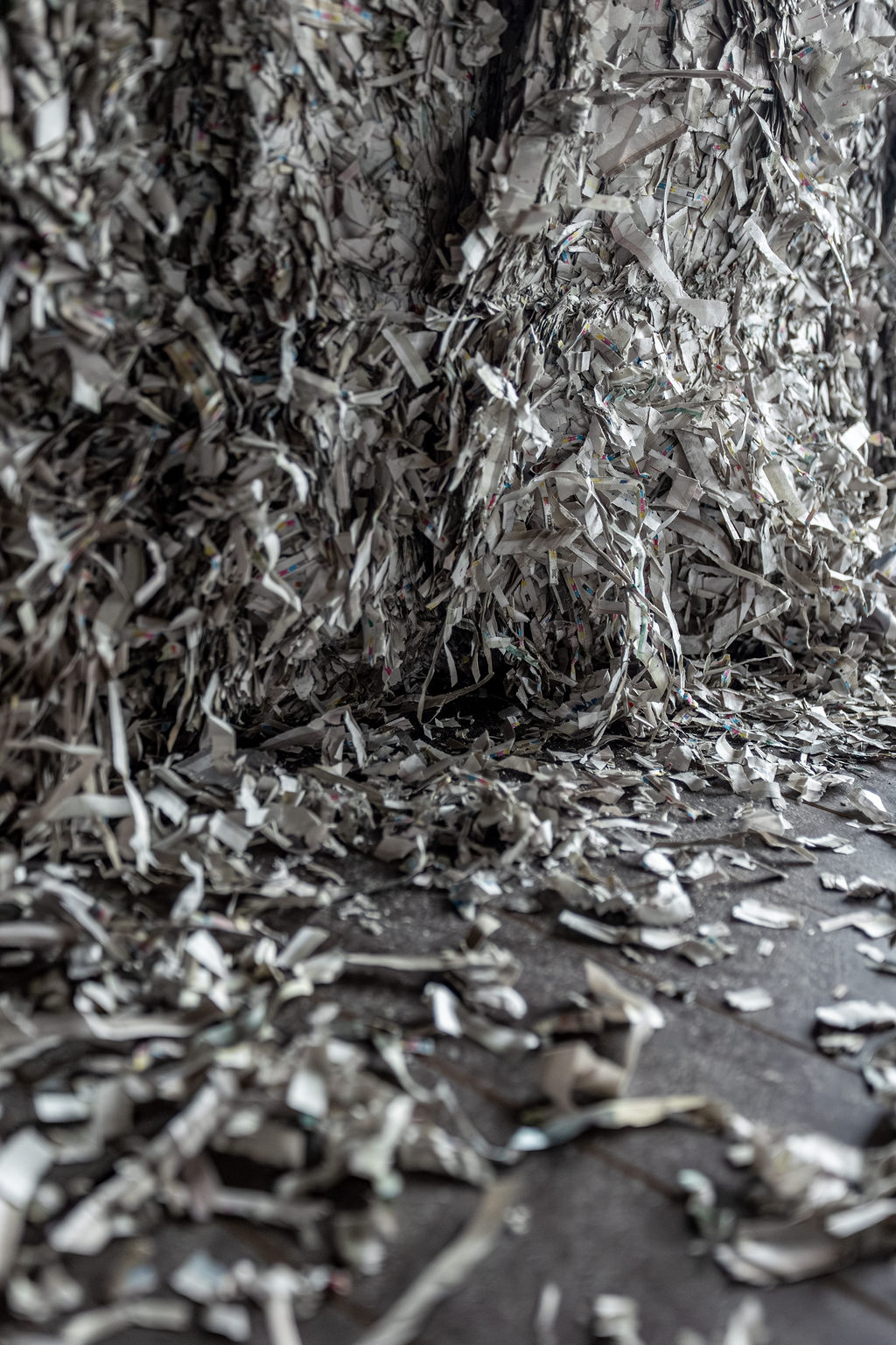
After collection, the waste paper is sorted, cleaned of impurities, and mechanically shredded several times. The dry recycling process produces different cellulose fiber fractions, which are then used to manufacture various products depending on their intended application. From recycled waste paper, Balticfloc produces:
- ecowool;
- cellulose mulch and pellets for hydroseeding;
- spill absorbent;
- cellulose additives for road construction;
- pet bedding.
This process allows the raw material to be reused while reducing waste and supporting more sustainable use of resources.