
Cellulose Spill Absorbent
A loose, highly absorbent material made from recycled cellulose fibers. Its porous structure and large active surface area allow it to absorb liquids effectively, making it suitable for collecting spills of environmentally hazardous substances.
From recycled waste paper to cellulose absorbent
Balticfloc turns carefully selected waste paper into a highly absorbent material that helps protect the environment in more ways than one. Recycling gives the cellulose fibers a valuable second use, while the finished absorbent can help contain hazardous spills before they spread into soil or waterways.
The material’s loose, porous fiber structure provides a large active surface area for effective liquid absorption. No additional functional additives are needed to create these absorbent properties, making efficient use of the natural structure of cellulose fibers.
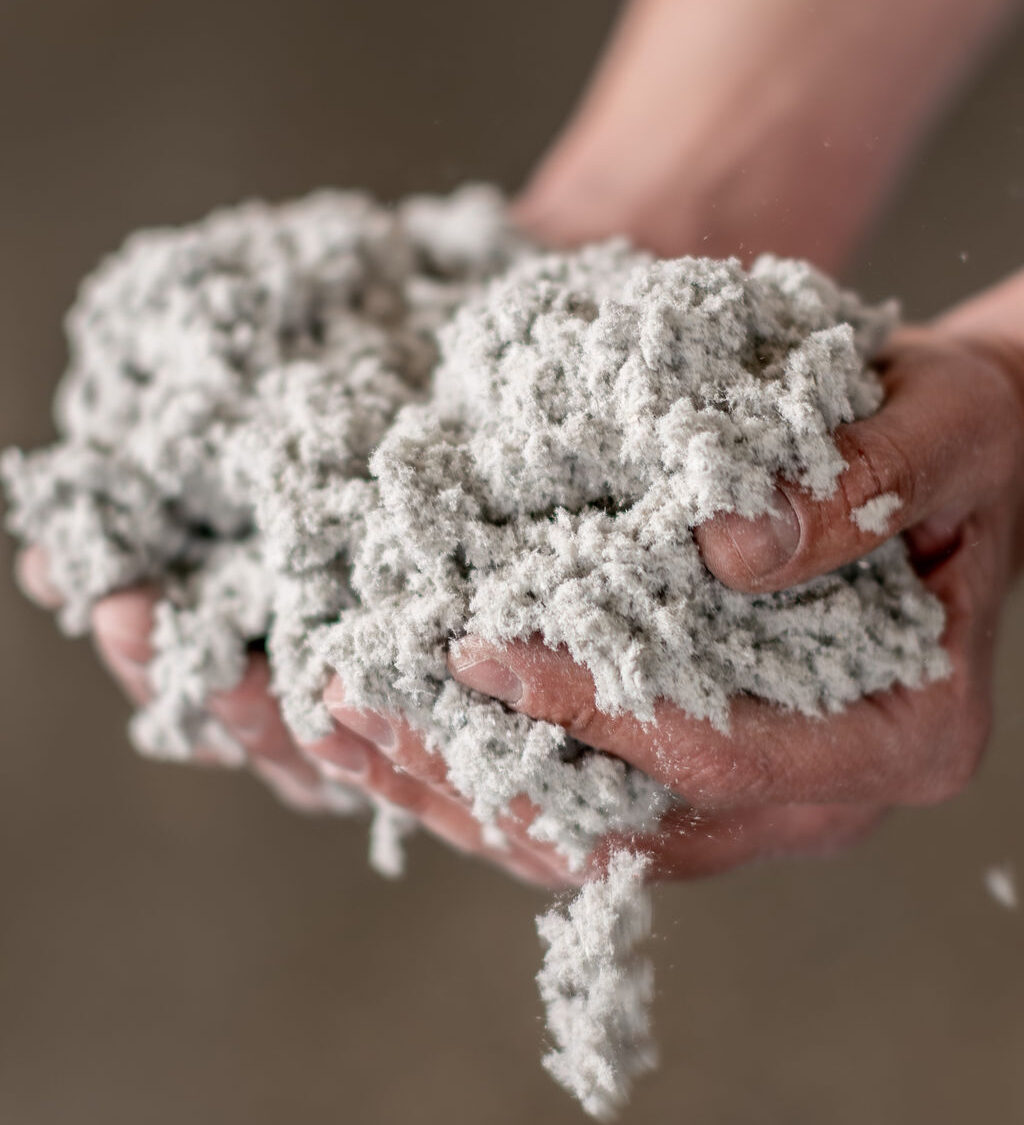
What determines a material’s absorbency?
The ability of an absorbent to collect a specific liquid depends on several properties of the material:
- fiber porosity;
- the arrangement of the fibers;
- bulk density of the material;
- moisture content.
The balance of these properties affects how quickly the absorbent takes up liquid and how much it can hold. They also influence the characteristics of the saturated material after absorption. Controlling these properties during production helps ensure consistent quality and the required level of absorbency.
Learn more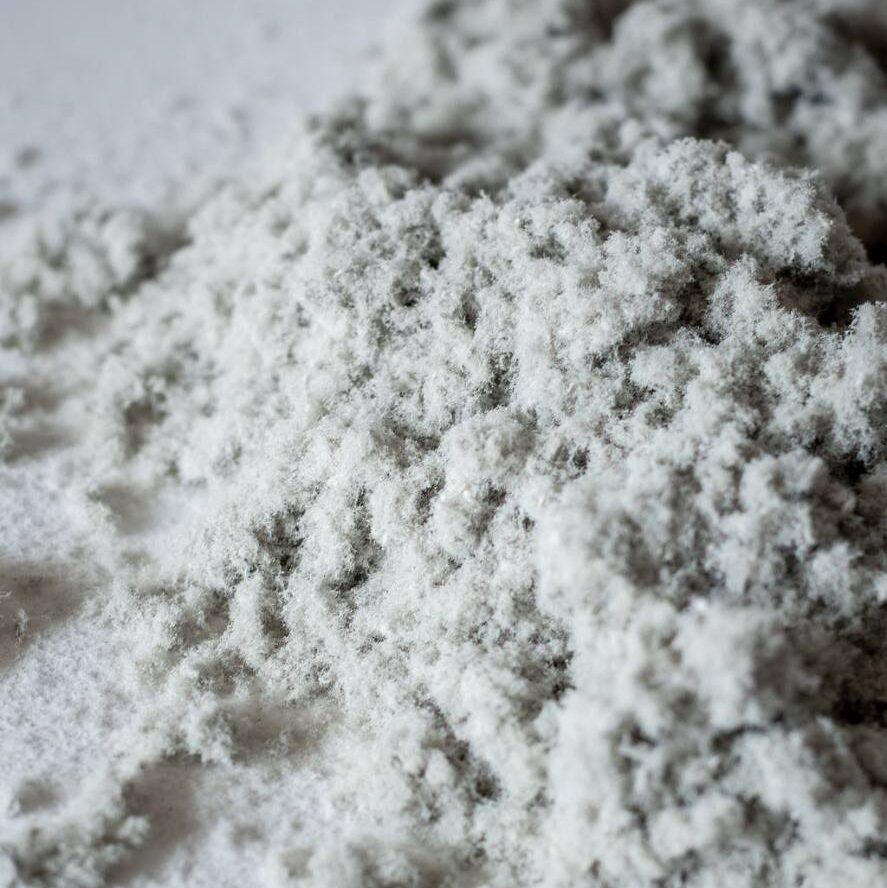
How are Balticfloc spill absorbents manufactured?
Balticfloc absorbents are produced through several stages that prepare the waste paper and separate its cellulose fibers. Raw materials and processing conditions are monitored throughout production to achieve consistent quality and the required absorption properties.
Waste paper selection
Dry, uncontaminated waste paper is selected for production. Coatings, adhesives, and other substances added to paper can remain in the material after recycling and affect the properties of the finished absorbent. For this reason, laminated and glossy paper is not used.Removal of impurities
Plastic, metal, and other unwanted contaminants are removed from the sorted waste paper. This protects the production equipment and reduces the amount of non-fibrous material in the finished product.Fiber separation
The prepared waste paper is mechanically processed several times, gradually breaking down the dense paper structure and separating the intertwined cellulose fibers. The degree of processing is controlled to produce a loose, fibrous absorbent rather than a fine powder.Packaging
After processing, the finished absorbent is packaged to protect it from unwanted moisture absorption during storage and transportation.How does Balticfloc produce a high-quality absorbent?
The quality of a cellulose absorbent depends heavily on how the fibers are prepared and processed. Balticfloc controls this process from the initial selection of waste paper through to the finished material, with each stage contributing to consistent absorbency and product quality.
A key part of this process is defibration, which breaks down the paper structure and separates the individual cellulose fibers. Balticfloc controls the degree of defibration to create a loose, porous material with a large active surface area without reducing the fibers to a fine powder. This fiber structure is what gives the finished product its absorbent properties.
Because these properties are created through careful material selection and mechanical processing, no additional functional additives are needed. The finished absorbent is then packaged to protect it from moisture and contamination during storage and transportation, helping preserve its quality until it is ready for use.
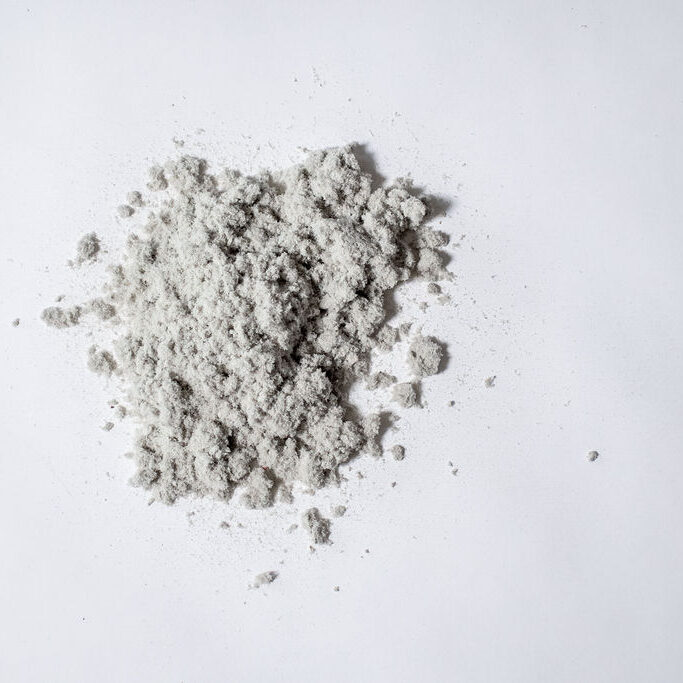

Need an absorbent for a specific application?
Balticfloc can tailor absorbent orders to suit different applications and project requirements. Tell us what you need the absorbent for, and our team will help determine the appropriate quantity and discuss delivery options.
Get a quoteQuestions and answers
Are spill absorbents reusable?
No. Once the absorbent has collected a liquid, it contains the absorbed substance and is not intended for reuse. The saturated material should be collected and disposed of according to the properties of the absorbed substance and applicable waste management requirements.
How do you determine how much absorbent is needed?
The amount of absorbent required depends on the liquid being collected, including its:
- type;
- volume;
- and the conditions of the spill.
Companies that keep absorbent on hand for emergencies should plan their material reserves based on the largest reasonably expected spill. For a rough estimate, the absorbent’s absorption capacity can be used. This is typically expressed as liters of liquid absorbed per kilogram of material or as the ratio between the mass of the absorbed liquid and the mass of the absorbent.
Is used absorbent always considered hazardous waste?
No. How used absorbent is classified and disposed of depends on the substance it has absorbed. For example, absorbent used to collect clean water would not generally become hazardous waste simply because it has been used. If the absorbent is used to collect a hazardous substance, such as certain petroleum products, solvents, or chemicals, hazardous waste requirements may also apply to the saturated material. After the spill is contained, the used absorbent should therefore be handled and disposed of according to the requirements that apply to the substance collected.