
Cellulose for Asphalt Mixtures
Balticfloc cellulose for asphalt mixtures is a stabilizing fiber made from recycled waste paper for use in stone mastic asphalt (SMA). The cellulose fibers help retain bitumen within the mixture and are produced without binders or other functional additives, allowing for precise dosing at asphalt plants.
What makes Balticfloc cellulose for asphalt mixtures different?
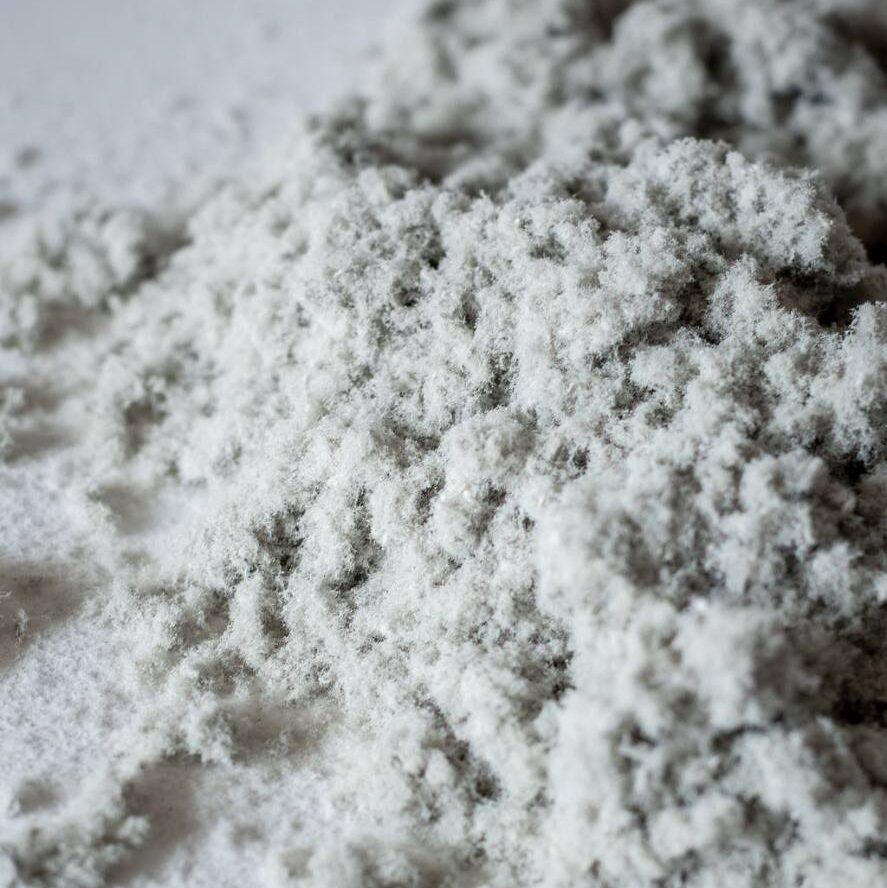
Balticfloc produces the material as loose cellulose fibers with carefully controlled fiber quality. The fiber fraction and moisture content are kept consistent to provide predictable properties from one delivery batch to the next.
This consistency is especially important in asphalt plants using automated feeding and dosing equipment. A uniform product can be incorporated into established production processes without requiring significant changes to dosing or feeding conditions between deliveries.
Why is the cellulose produced without additives?
Accurate dosing and even incorporation are important when cellulose fibers are used as a stabilizing additive in asphalt mixtures. Balticfloc supplies the cellulose as loose fibers without premixing them with bitumen or another binder.
This allows the cellulose to remain a separately dosed component of the asphalt mixture. Asphalt producers can therefore add the amount of cellulose specified in the mix design without having to adjust the dosage to account for bitumen or other binders already present in the additive.
Learn more
How is cellulose for asphalt mixtures produced?
Balticfloc is the only company in Latvia that produces cellulose additives for stone mastic asphalt mixtures from recycled waste paper. Because recycled paper can vary in composition, producing fibers with predictable properties requires careful control throughout the recycling process. For road construction, the finished material must have the appropriate fiber properties while also working reliably with the feeding and dosing systems used at asphalt plants.
Waste paper preparation
Waste paper suitable for producing the cellulose additive is carefully selected. Materials that cannot be processed into the required cellulose fibers are removed. Books and paper documents can be used as raw materials, while magazines are excluded because their paper contains too much chalk.Cellulose defibration
The prepared waste paper is mechanically processed through defibration, which breaks down the paper structure and separates the intertwined cellulose fibers. The degree of processing is carefully controlled to achieve the required fiber fraction while limiting the formation of very fine particles and dust.Packaging
The finished cellulose fibers are packaged for transportation and storage. The packaging protects the material from contamination and environmental exposure, helping preserve its properties until it is ready for use at the asphalt plant.Why are cellulose fibers used in stone mastic asphalt?
Different fiber materials can be used as stabilizing additives in stone mastic asphalt, including mineral and synthetic fibers. Cellulose is particularly suitable because of its porous, branched fiber structure.
The fibers absorb and mechanically retain a portion of the bitumen within the asphalt mixture. This helps reduce bitumen drainage during asphalt production and subsequent handling.
Different stabilizing fibers may require different amounts to achieve the intended effect. The porous, branched structure of cellulose fibers allows a relatively small amount to effectively stabilize the asphalt mixture, depending on the mix design. This means cellulose can provide the required stabilization while making up only a small proportion of the overall stone mastic asphalt mixture.
Balticfloc produces its cellulose additive from recycled waste paper, giving an existing cellulose resource a new use in road construction. Careful processing transforms the recovered paper into fibers with the controlled properties needed for asphalt production.
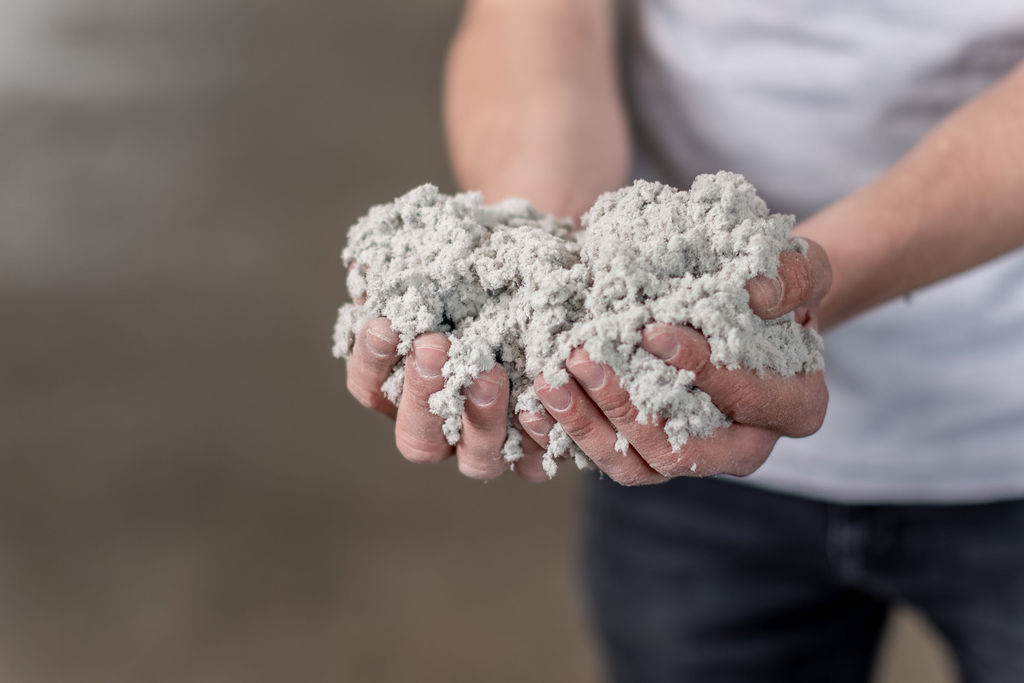
Cellulose additive for asphalt
Available packaging options include 400–500 kg (882–1,102 lb) Big Bags and 19–22 kg (42–49 lb) bags.
Cellulose additive for asphalt, 1 metric ton
847,00 €/t
The stabilizing cellulose additive is used in automated asphalt concrete plants (with automated dispensers). The stabilizing cellulose additive plays an important role in preventing bitumen run-off. The additive prevents bitumen bleeding during production, transportation, and loading.

Cellulose for asphalt production, made in Latvia
Choosing a local manufacturer makes it easier to coordinate deliveries with the actual material requirements of the asphalt plant. Balticfloc can work with customers to determine the required volume and arrange suitable packaging and delivery terms. Tell us about your production requirements, and our team will help prepare an order suited to your asphalt plant.
Get a quoteQuestions and answers
Do cellulose fibers burn when they come into contact with hot asphalt mix?
When used correctly, cellulose fibers remain thermally stable at typical asphalt concrete production temperatures and do not burn during mixing. The fibers can withstand temperatures of approximately 180°C (356°F).
What happens to the cellulose additive in the finished road surface?
The cellulose fibers disperse throughout the bitumen mastic and remain within the finished asphalt concrete. Their primary role is physical. The fiber structure helps stabilize the mastic and reduce bitumen drainage without chemically altering the bitumen itself.
Does cellulose fiber require any additional preparation before being added to the asphalt mix?
No. Balticfloc cellulose for asphalt mixtures is supplied as a ready-to-use fiber material and requires no additional processing before use. The amount added is determined by the specific asphalt mix design. Feeding and dosing equipment designed for loose materials should be used to introduce the fibers into the mixture.