
Professional Insulation with Loose-Fill Wool and Granules
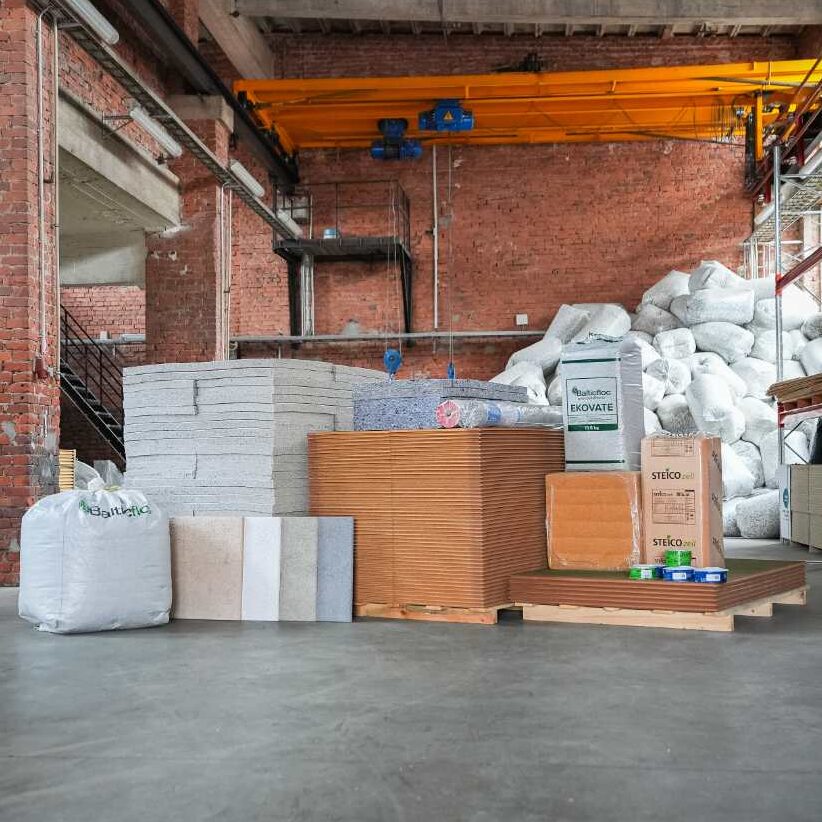
Balticfloc is a full-service insulation company that not only offers the highest-quality thermal insulation materials but also ensures their professional installation in your home. Balticfloc’s main pride and specialty is our own Ekovate—an eco-friendly, breathable, and effective material. To ensure the best solution for any structure, we also work with other proven loose-fill insulation materials (rock wool and wood fiber) and install polystyrene beads (Grand Full). When you choose Balticfloc, you get guaranteed quality directly from the manufacturer and skilled craftsmanship backed by many years of experience.
Materials we install
We select the insulation material according to the structure, installation conditions and thermal requirements of each project:
Ecowool
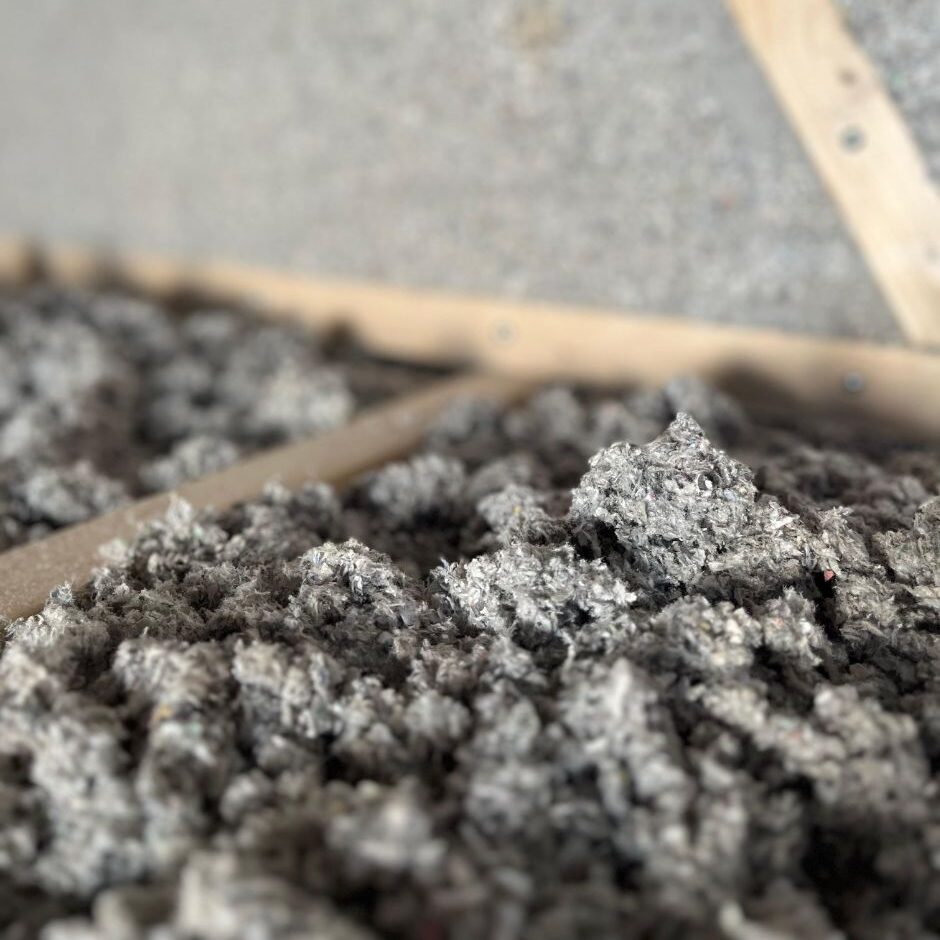
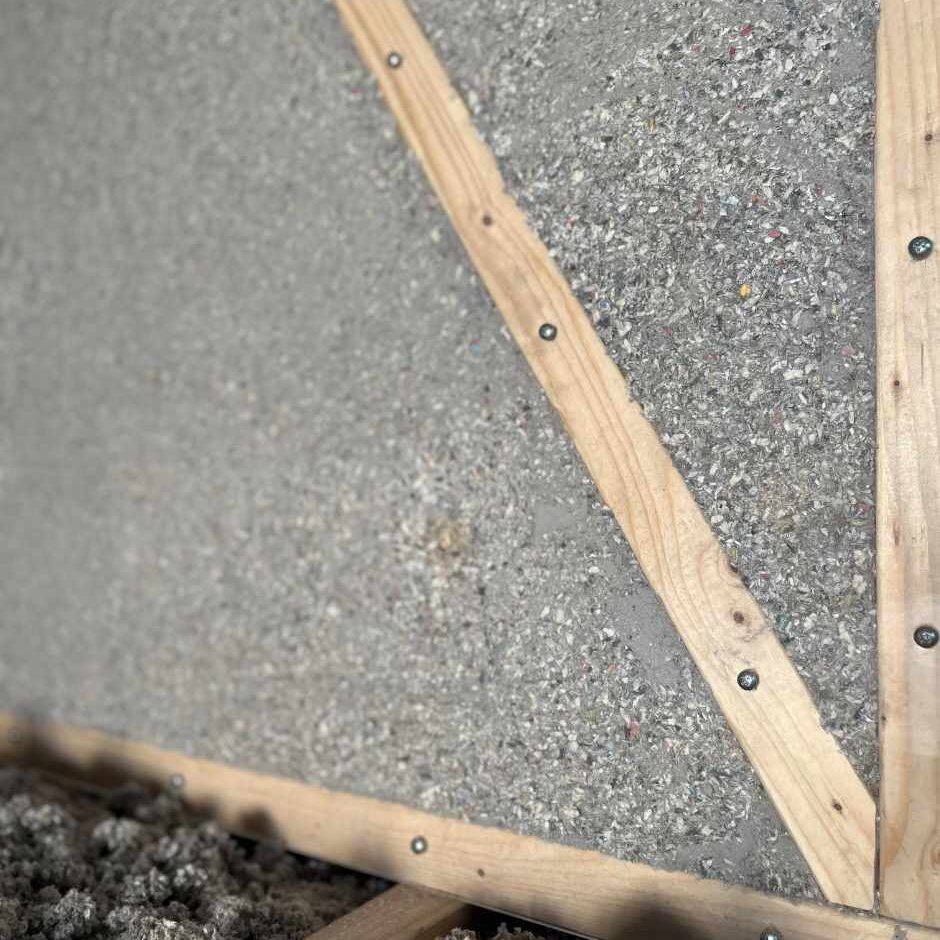
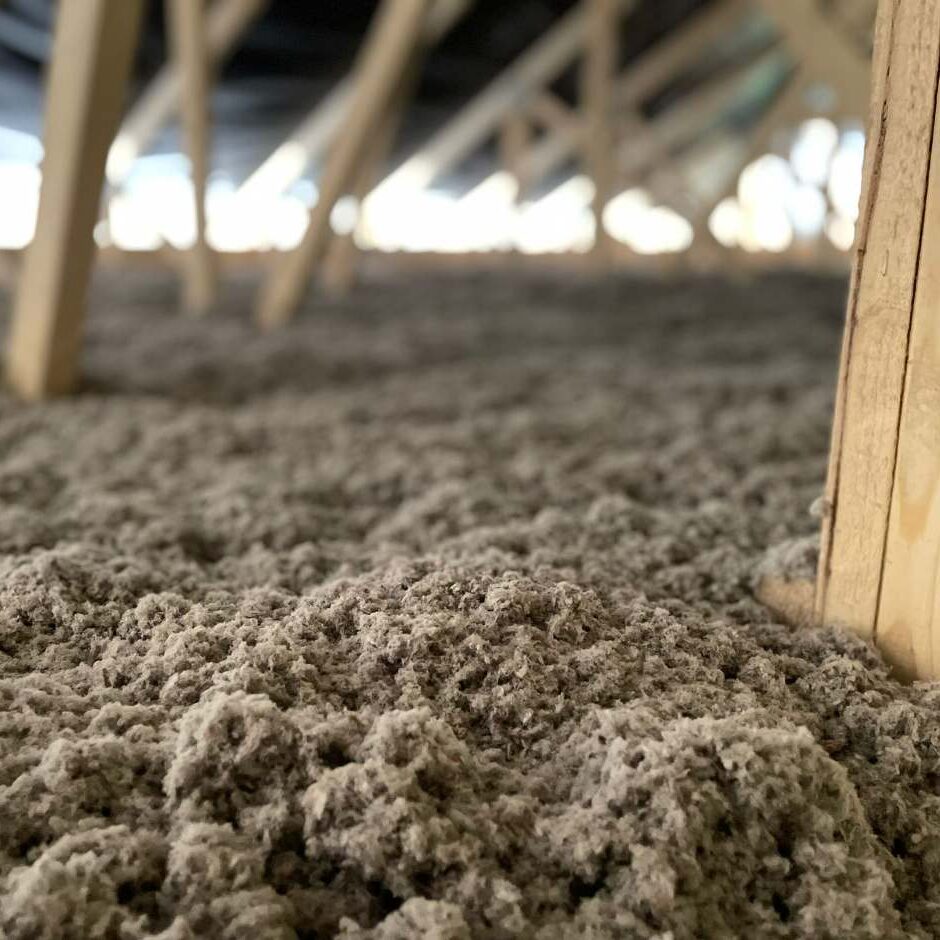
Our cellulose-based insulation fills gaps and irregular spaces to create a continuous insulation layer. The cellulose fibers also provide sound insulation and can absorb and release water vapor as surrounding conditions change.
Polystyrene beads (Grand Full beads)
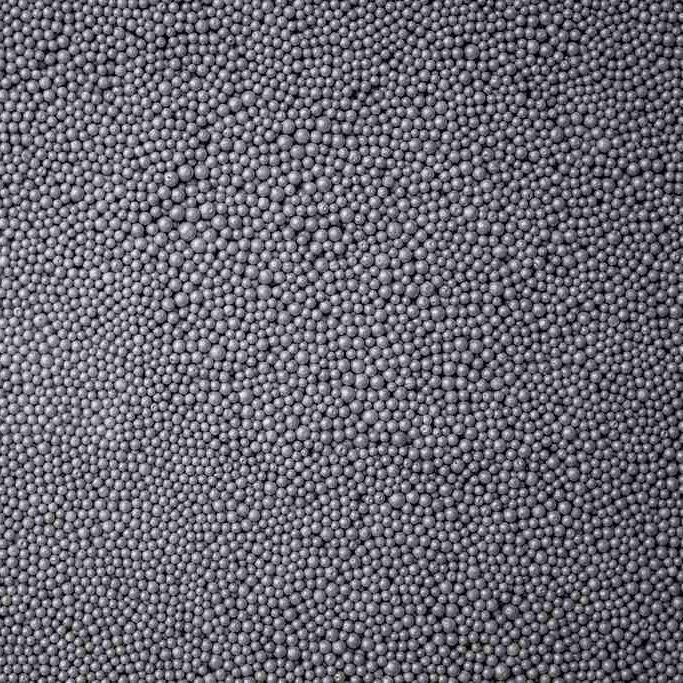
Lightweight, free-flowing EPS beads designed to fill enclosed air gaps and other narrow cavities. The small beads can flow into spaces within masonry walls that can be difficult to reach with conventional insulation materials.
Loose-fill wood fiber insulation
Made from wood fibers, this insulation combines thermal performance with high heat-storage capacity, helping retain warmth during colder weather and reduce overheating during warmer periods.
Loose rock wool
A mineral insulation material with excellent fire resistance and the ability to withstand high temperatures. When installed at the appropriate density, it provides durable thermal insulation for a range of building structures.
Why choose us?
- Straight from the manufacturer. Because we manufacture our own Ecowool and Grand Full products, we have direct control over their production and quality while offering competitive pricing.
- A solution for any building. With a wide range of insulation materials, from Ecowool to polystyrene beads, we can insulate everything from modern timber-frame homes to historic masonry buildings.
- Continuous insulation without gaps. Mechanized blowing distributes loose-fill insulation around framing and into irregular spaces that can be difficult to reach with boards or batts, helping create consistent insulation coverage.
- Professional equipment. We use specialized blowing equipment to install the material at the required density. This is especially important in enclosed walls and sloped cavities, where correct density helps prevent settling over time.
Step by step toward a warmer home
We take care of the insulation process from start to finish, beginning with an assessment of your home and ending with professional installation and a final quality check.
Site survey and consultation
Our specialist assesses the condition of the house (checks the attic, the building frame, or measures air gaps in the walls) and recommends the right solution.Preparing a cost estimate
We prepare a cost estimate with no hidden costs.Preparing a building for insulation
You can ask our staff for details on how to properly prepare the structure before our team arrives.Mechanized seeding
We’ll bring our own equipment and materials. We’ll get the job done quickly and neatly.Quality inspection and delivery
We check the density of the material, fill in any holes that may have been necessary, and leave the area clean and tidy.How do we install loose-fill insulation?
The installation method depends on the material, the area being insulated and whether the insulation is being installed on an open surface or inside an enclosed cavity.
Open blowing
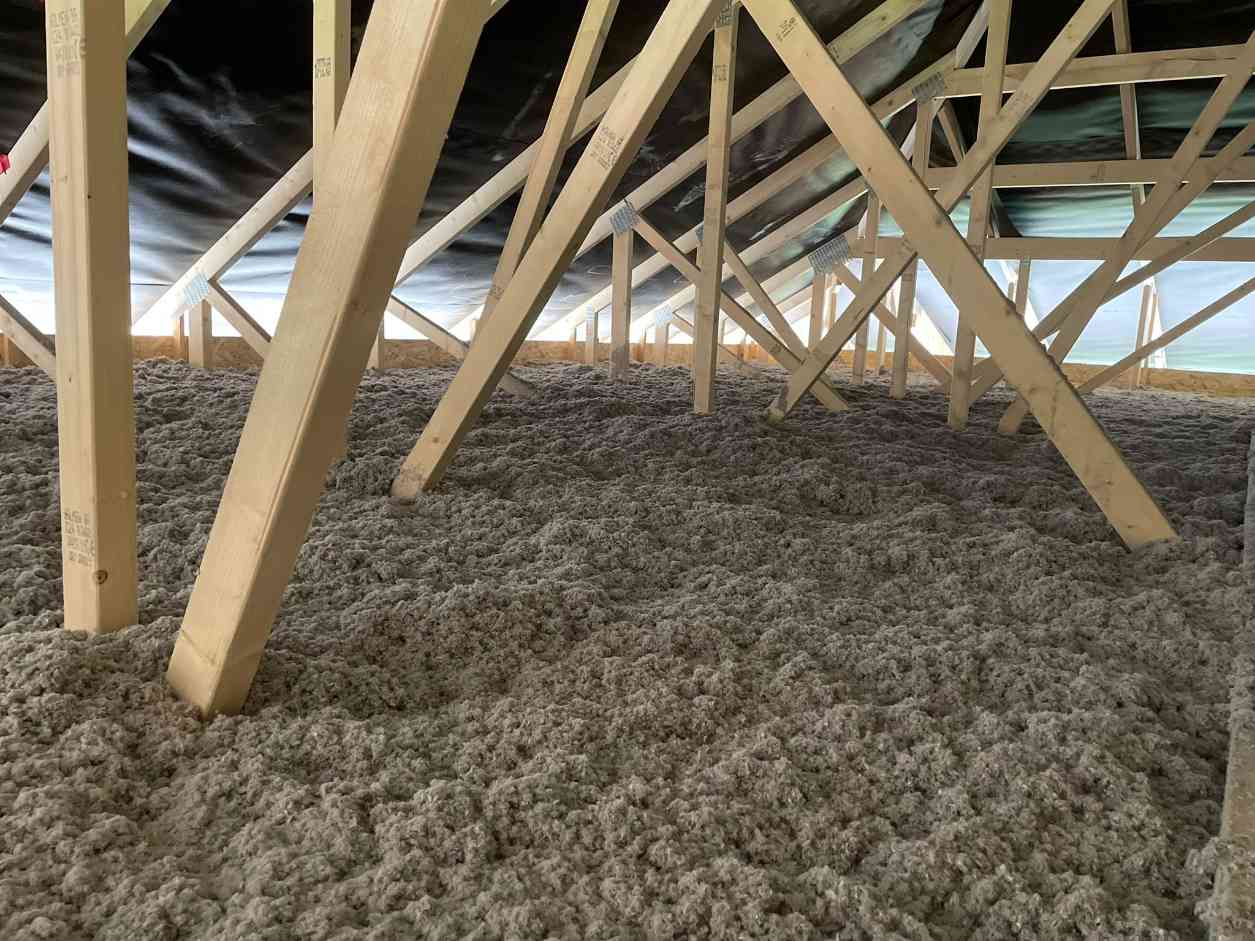
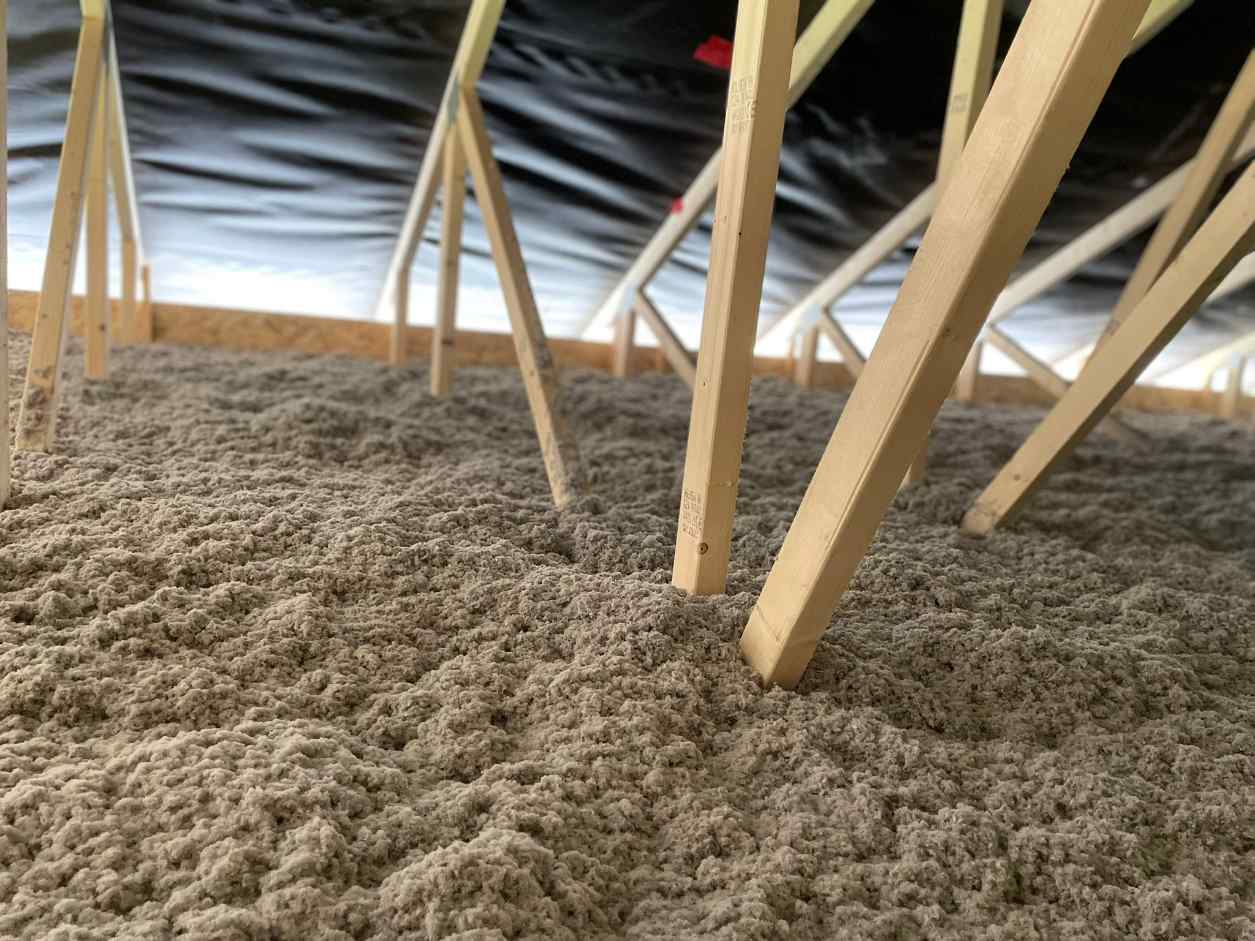
We use this method for horizontal, non-load-bearing surfaces—most commonly attic ceilings and floor-to-floor structures. Using specialized equipment, the insulation is evenly blown onto the surface, creating a continuous, thick, and “fluffy” layer of thermal insulation without any thermal bridges.
Dense-packed insulation in enclosed cavities
For enclosed timber-frame walls, sloped roofs and similar structures, loose-fill insulation can be blown into the cavity through small installation openings. The material is installed at the specified density so that it completely fills the available space and remains stable within the cavity.
Depending on the structure, installation openings may be made through the sheathing or vapor control membrane and sealed after the cavity has been filled.
Filling air gaps in masonry walls
For masonry buildings with suitable air gaps between wall layers, Grand Full polystyrene beads can be blown directly into the empty cavity. Small installation holes are drilled through the exterior wall, typically through mortar joints, and the beads are blown through these openings to distribute them throughout the available space.
After installation, the openings are sealed to minimize changes to the appearance of the facade. Filling an otherwise empty wall cavity can improve the wall’s thermal performance and reduce heat loss through the building envelope.
Find the right insulation solution for your home
Contact Balticfloc to arrange an on-site assessment and discuss the insulation materials and installation method best suited to your building. We provide the materials and installation as one service, with a clear cost estimate prepared before the work begins.
Get a quoteOur work
Balticfloc insulation materials and installation services can be used for projects ranging from private homes to larger commercial and industrial buildings. Our experience with different loose-fill materials allows us to adapt the insulation approach to the structure and requirements of each project.
Questions and answers
Are transportation costs included in the price of the insulation work?
Yes. Transportation costs are fully included in the project estimate. The price covers delivery of the required materials and equipment to the site, so there are no additional transportation fees or unexpected surcharges.
Will mice or rats live in loose-fill ecowool?
No, ecowool is not an attractive material for rodents. Boric acid is added during manufacturing to help protect the cellulose fibers against mold and decay while also making the insulation unappealing to rodents and insects. Mice generally avoid nesting in the treated material.
How long does it take to insulate the attic or walls of a house?
– What type of electrical connection is required at the site?
To operate the installation equipment safely and reliably, the customer must provide a suitable and stable electrical connection at the site. During the site inspection, our specialist will confirm the required power capacity and connection specifications so everything is ready before installation begins.