
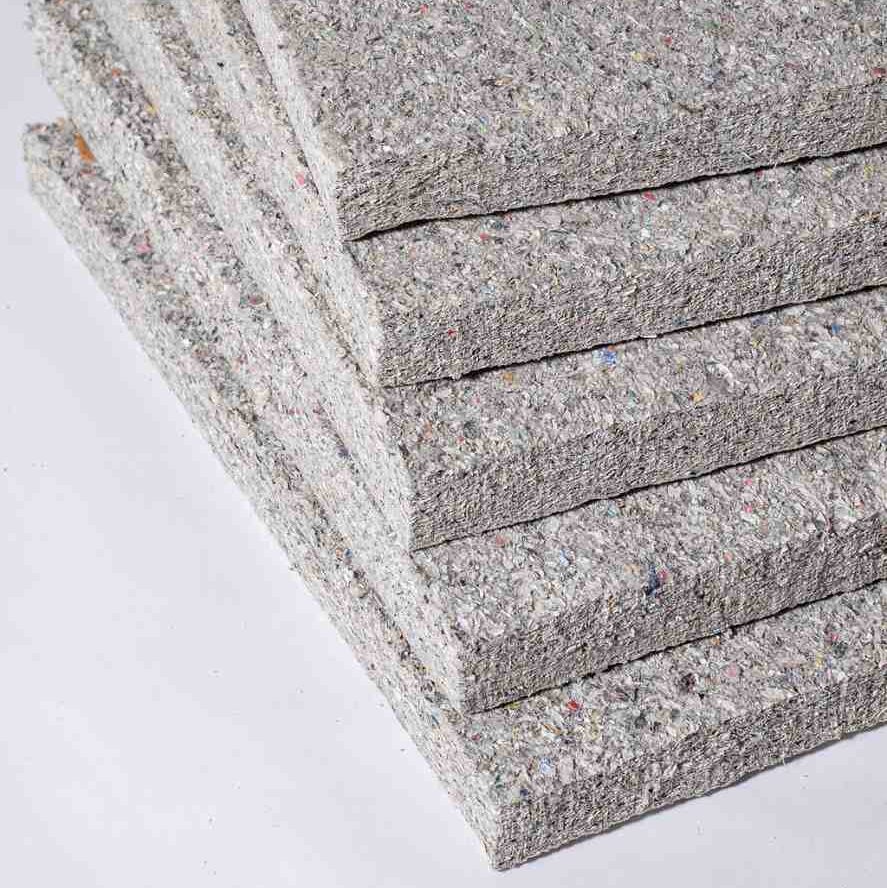
BFlex Ecowool Panels
Flexible cellulose wool slabs that are easy to cut and fit for thermal and sound insulation
See
Balticfloc is one of the few manufacturers of cellulose fiber products in the Baltics whose product range includes not only widely used thermal insulation materials but also specialized niche products for road construction and industrial facilities.
Flexible cellulose wool slabs that are easy to cut and fit for thermal and sound insulation
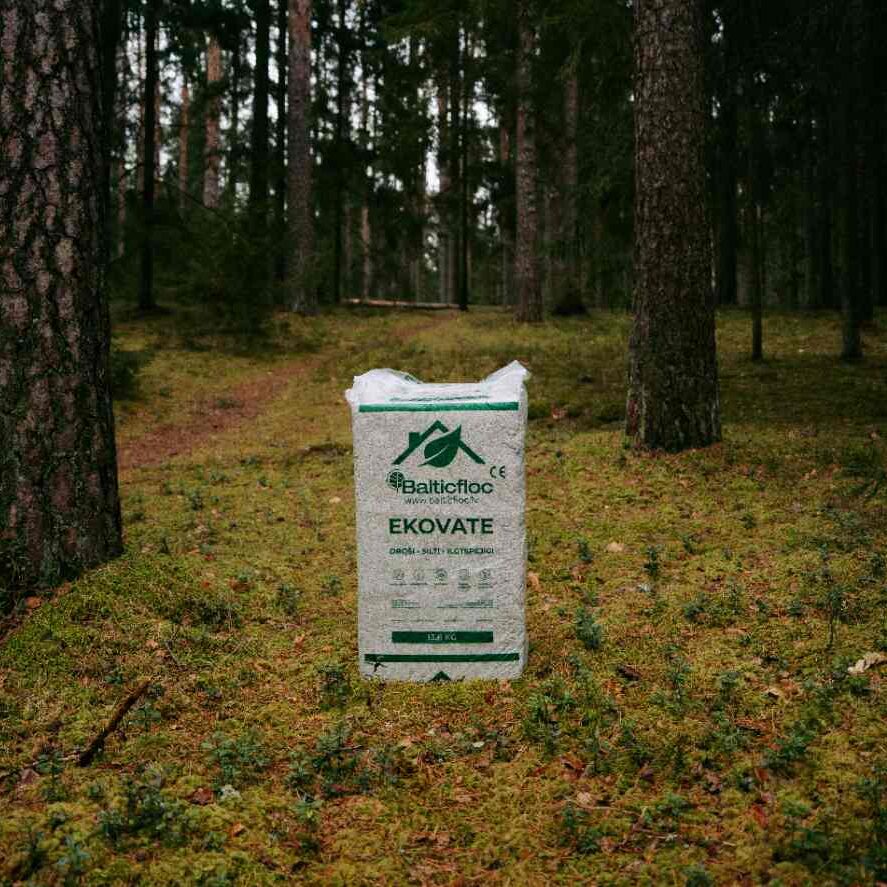
Loose-fill cellulose insulation that fills gaps and irregular spaces for continuous thermal coverage
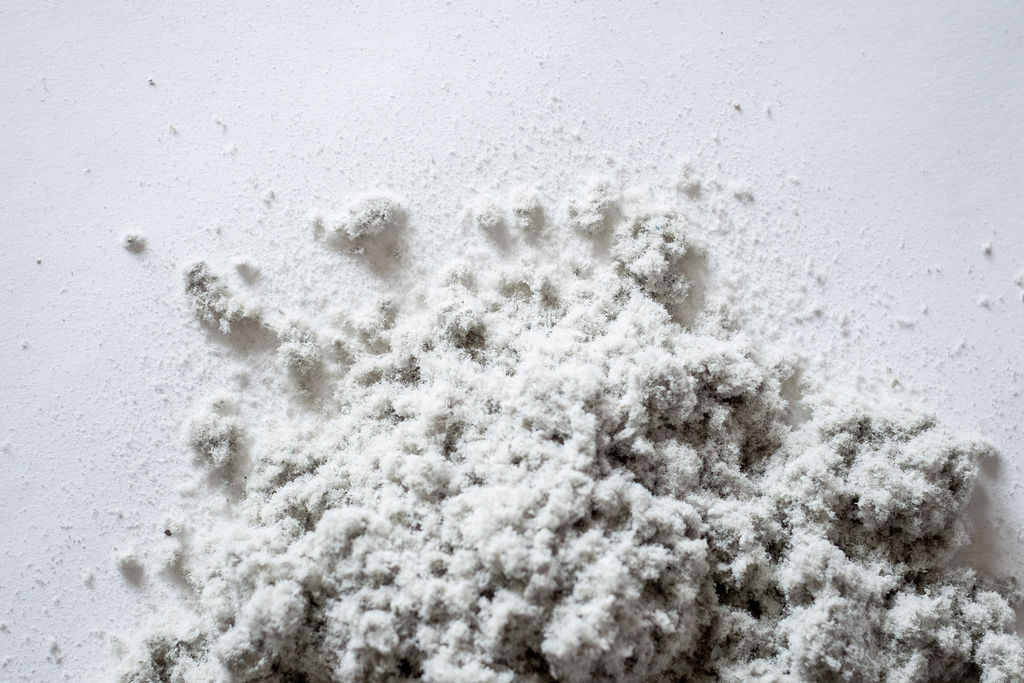
Highly absorbent recycled cellulose fibers for quickly collecting liquid spills
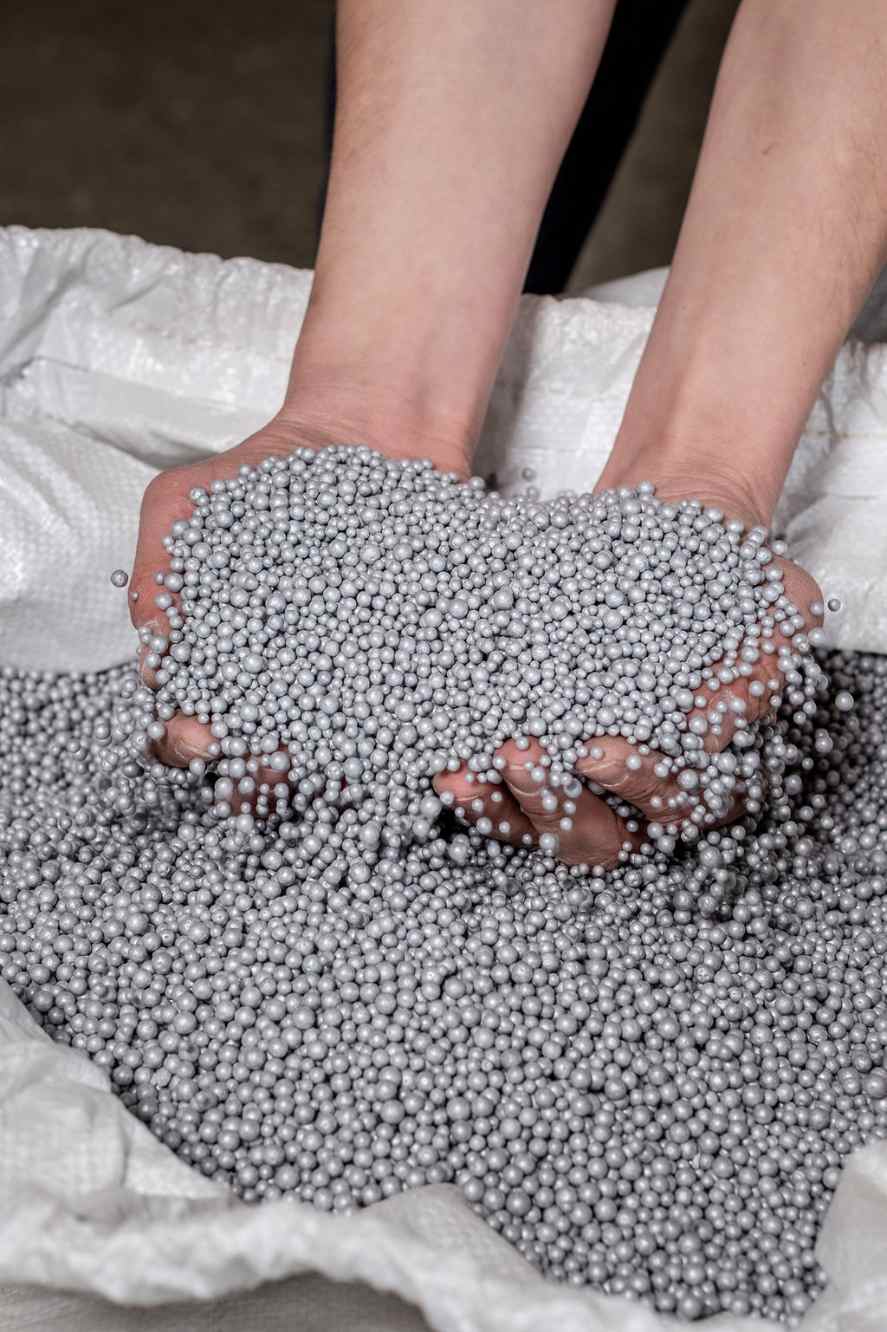
Free-flowing EPS beads that fill enclosed cavities and irregular spaces with minimal gaps
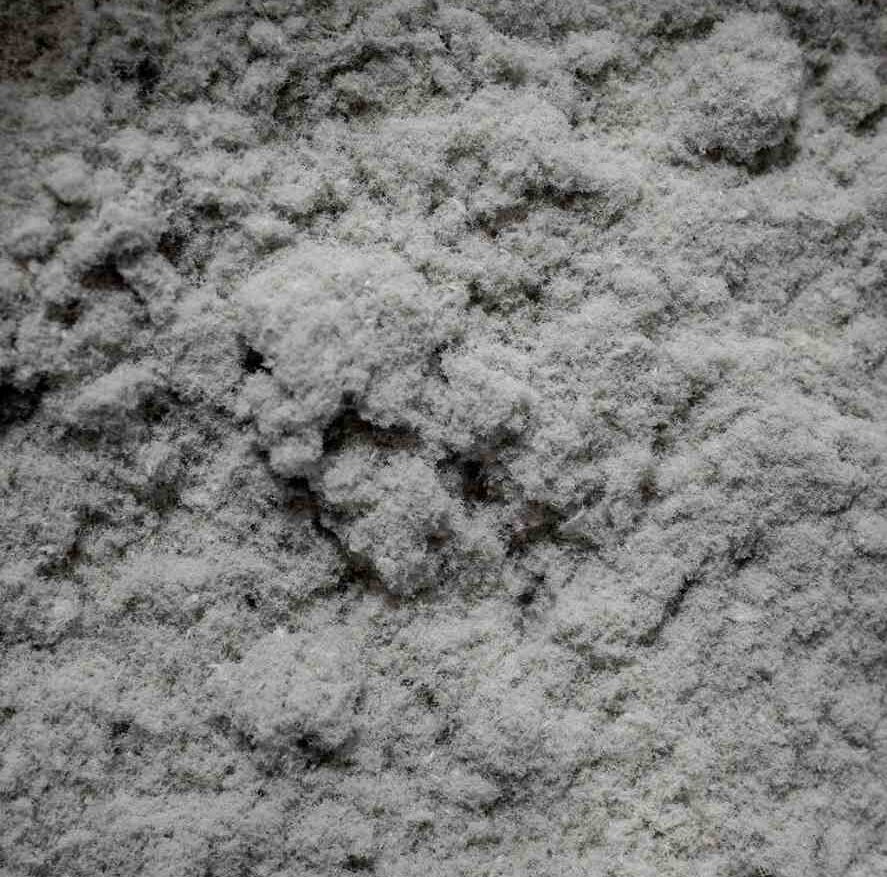
Cellulose fibers that stabilize stone mastic asphalt (SMA) and help reduce bitumen drainage
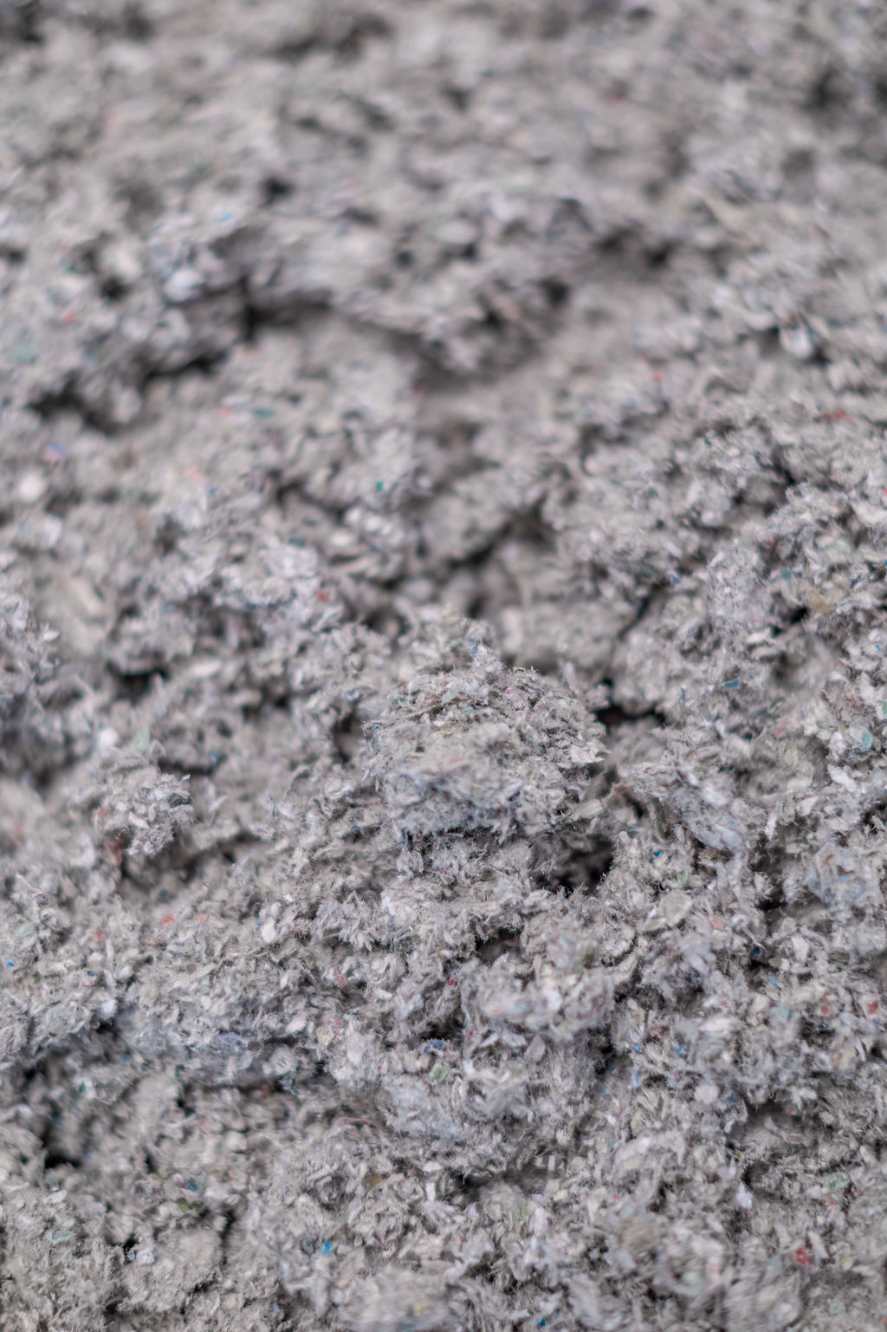
Cellulose fiber mulch that supports even hydroseeding while helping protect the soil surface
Mechanical processing determines many of the properties that make cellulose fibers suitable for different applications. Fiber size and structure affect how the finished material performs, so Balticfloc prepares different fiber fractions according to the requirements of each product.
Finer cellulose fibers have a larger total surface area, which allows them to blend more evenly with other materials and absorb moisture more effectively. They can also help create a more homogeneous mixture. Coarser fibers retain more of their fibrous structure, which can provide greater mechanical stability or help achieve the consistency required for a particular product.
By controlling the fiber fraction during processing, Balticfloc can adapt the cellulose fibers to different products and applications.
Balticfloc continues to develop manufacturing methods that make it possible to use not only high-quality waste paper, but also paper materials that are more difficult to recycle. Cellulose fibers produced from these materials can vary in length and mechanical strength depending on the original paper.
For certain products, Balticfloc supplements the recycled cellulose with naturally derived hemp fibers. The hemp fibers can improve mechanical strength and elasticity while helping create a more uniform material structure. They can be incorporated without sacrificing the thermal insulation or moisture-regulating properties required for the finished product.
Waste paper recycling is an important part of Balticfloc’s manufacturing process. Because the company produces its own cellulose fibers, it can control each stage from evaluating and cleaning the incoming paper to mechanically processing the fibers and preparing them for their intended application.
This gives Balticfloc greater control over the characteristics of the fibers used in each product. Instead of relying on ready-made cellulose fibers, the company can adjust its processing according to the requirements of the finished material and maintain more consistent characteristics between production batches.
Producing the fibers in-house also gives Balticfloc greater flexibility when developing new products. Fiber properties can be adjusted as new applications are developed or to meet the requirements of different industries.
Preparing cellulose fibers with the required properties is only the first stage of producing a consistent finished product. The manufacturing method and proportions of additional components must also be carefully controlled throughout the remaining production process. Changes at these stages can affect the structure and density of the finished material, including properties that influence its performance in a particular application.
Balticfloc applies quality control throughout the production cycle, beginning with waste paper recycling and fiber preparation and continuing through final packaging. Monitoring each stage helps maintain consistent product quality between production batches and allows deviations to be identified before the finished product reaches the customer