LIFE_PHIPP
Alternative recycling of waste paper and hemp fiber into innovative thermal insulation materials with improved thermal conductivity.
About the Project
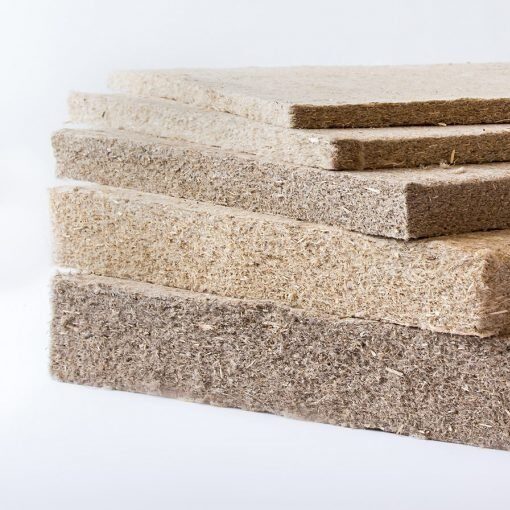
LIFE_PHIPP will demonstrate the environmental benefits and cost-effectiveness of a new type of insulation material made from recycled paper and hemp fiber. The product will be manufactured in Latvia on a pilot production line.
Compared to mineral wool, the new flexible thermal insulation panels will be designed to offer better thermal and acoustic insulation properties and be easy to install. Other advantages of the product include breathability, ease of disposal, and health benefits. Approximately one-third of the product will consist of pure natural fibers. The product will be available at building supply stores, making it widely accessible to homeowners.
Project Objective
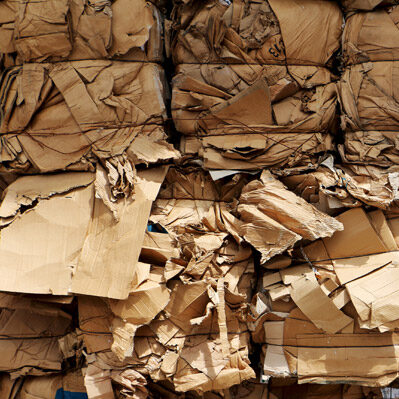
There is a large amount of waste paper from household waste that is disposed of in landfills or incinerated, despite the fact that waste paper is recycled fairly well (an average of 70% in Europe)
The goal of the LIFE_PHIPP project is to increase the amount of recycled waste paper and promote waste paper sorting in the region, by developing a prototype technology for the production of flexible thermal insulation panels and by developing the optimal formulation for these panels (density, composition, thermal conductivity, air and sound permeability).
Project Details
Project Implementer
SIA BALTICFLOCPlanned project duration
03.09.2018. – 31.06.2023.Project Budget
Total budget: 2,943,225 euros EC co-financing: 1,761,135 euros (= 60.00% of the total budget) VRAA co-financing: 480,000 eurosExpected Results
- A stable production process, with a daily output of 250 cubic meters of paper-hemp thermal insulation material;
- The expected life cycle of the pilot production line is at least 10 years. Thermal insulation materials are produced in various formulations, and new combinations and mixtures are developed and tested, thereby ensuring a range of products for different markets and consumer needs;
- For the presentation and sale of these products in Latvia, as well as in other target markets—the United Kingdom, Germany, and Finland—the thermal insulation materials are certified and labeled with the EKO mark. The new thermal insulation panels have been installed in demonstration projects in all of the aforementioned countries.
- Green procurement specifications and technical information regarding the design, installation, use, and disposal of paper-hemp thermal insulation material in Latvia, the United Kingdom, Germany, and Finland have been developed;
- The new product and its manufacturing process have been presented to at least 50 interested parties in Europe, including potential technology entrepreneurs, manufacturers of paper or hemp insulation, paper collectors and recyclers, and professional associations of engineers and architects.
Benefits of Implementing the Project
- Reducing Greenhouse Gas Emissions
- Reducing the Use of Hazardous Substances
- Promoting Waste Management
- Energy Conservation
- Promoting the Circular Economy
- Increasing Employment