
Cellulose Mulch for Hydroseeding
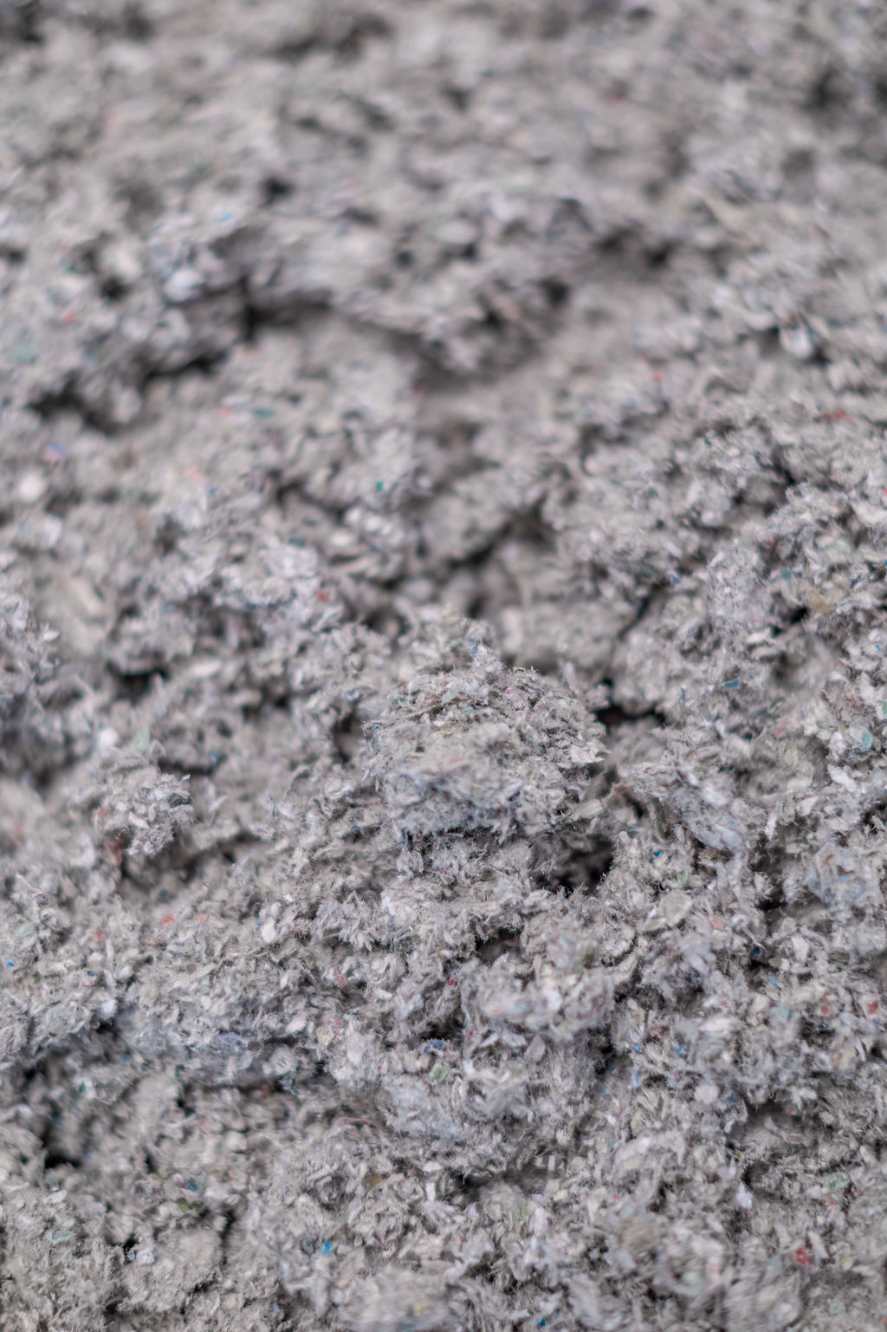
Balticfloc produces cellulose fiber mulch from recycled paper for use in hydroseeding. When applied as part of a hydroseeding mixture, the cellulose fibers form a temporary protective layer over the soil surface, helping create suitable conditions for seed germination.
What makes Balticfloc cellulose mulch different?
Balticfloc cellulose mulch is supplied as a standalone fiber material rather than a ready-made hydroseeding mixture. This gives contractors the flexibility to prepare a mixture suited to the requirements of each project by combining the cellulose fibers with selected seeds and other necessary components.
Depending on the application, the mixture can include:
- a selected seed mixture;
- fertilizer;
- binders;
- dye;
- other necessary components.
This flexibility allows the hydroseeding mixture to be adjusted to the soil and conditions of the area being treated. Balticfloc cellulose fibers are compatible with ingredients commonly used for hydroseeding, allowing the mulch to be incorporated into different mixture formulations.
Why does fiber quality matter for hydroseeding?
The purity of cellulose mulch has a direct effect on how well it performs during hydroseeding. Balticfloc removes unwanted impurities that could interfere with preparation or application of the mixture.
Solid or water-insoluble particles can prevent the fibers from dispersing evenly in the mixture. They can also interfere with pumping and spraying through specialized hydroseeding equipment.
Clean, consistently processed cellulose fibers help the mixture spread evenly across the soil surface. More uniform coverage creates more consistent conditions for seed germination and reduces the risk of areas receiving too little mulch.
Learn more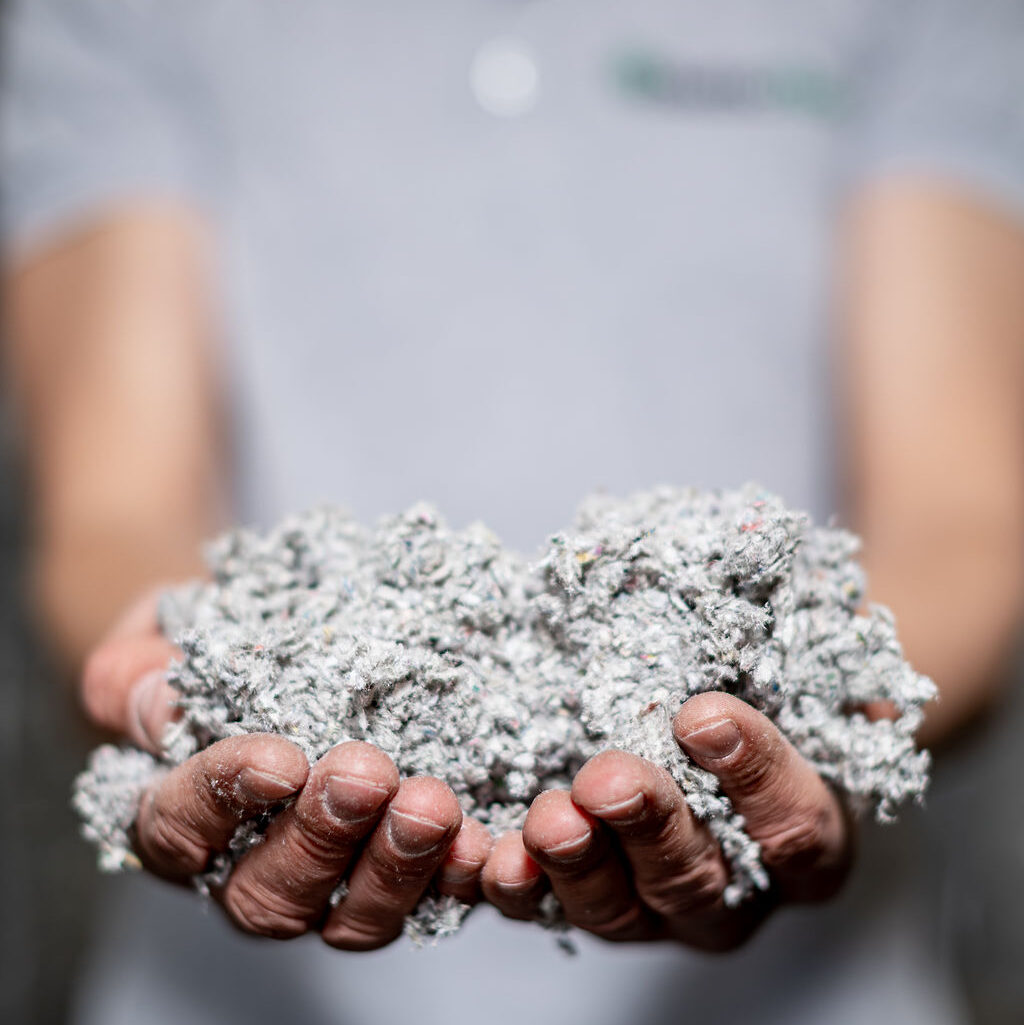
How is cellulose mulch prepared for hydroseeding?
Simply shredding waste paper is not enough to produce cellulose mulch suitable for hydroseeding. The fibers need to disperse evenly in water and work with the other components of the hydroseeding mixture. The quality of the finished mulch therefore depends on the raw material and careful control of the defibration process.
Waste paper preparation
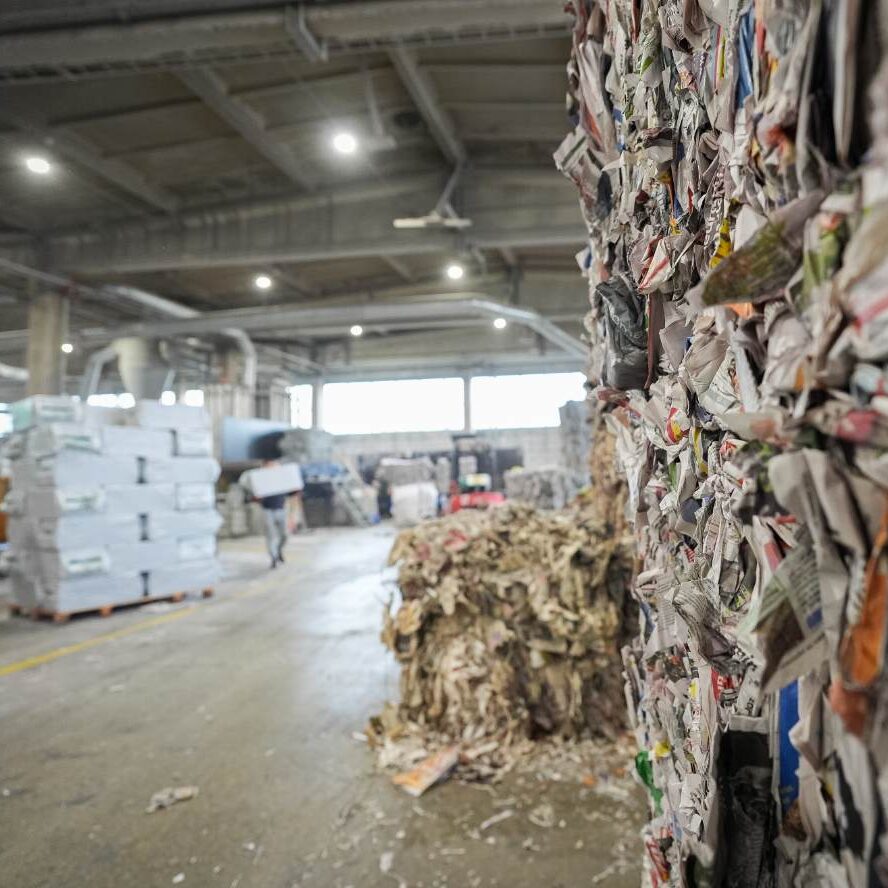
Production begins with the selection of suitable waste paper. Plastic, metal, and other materials that cannot be processed into cellulose fibers are removed before further processing.Cellulose defibration
The prepared waste paper is mechanically processed through defibration, which breaks down the paper structure and separates the individual cellulose fibers. The degree of defibration is carefully controlled so that large, unprocessed paper fragments do not remain in the finished product.The result is a fine, fibrous material suitable for mixing with water and the other components used in hydroseeding.
Packaging
The finished cellulose mulch is packaged to protect it from moisture and contamination during storage and transportation, helping preserve its quality until it is ready for use.Why use cellulose mulch for hydroseeding?
Several types of fibrous materials can be used for hydroseeding, including wood fibers, cellulose-and-wood blends, plant-based fibers, and specialized erosion-control matrices. The appropriate material depends on the requirements of the project.
Cellulose mulch is particularly well suited to lawn establishment projects that do not require specialized materials for severe erosion control.
Paper pulp mulch is generally a more economical option than wood fiber mulch or specialized multi-component matrices. The difference can become especially important on larger projects, where the amount of mulch required has a significant effect on the overall cost of hydroseeding.
Because Balticfloc supplies the cellulose mulch separately, contractors can combine it with the seed mixture and other components required for the individual project. This makes it possible to prepare the hydroseeding mixture without being limited to the formulation of a premixed product.
Properly processed cellulose fibers disperse in water to create a mixture suitable for pumping and spraying with hydroseeding equipment. Controlling fiber quality and removing unwanted impurities helps reduce material-related problems during application.
More about the product
Balticfloc produces cellulose mulch from recycled waste paper for hydroseeding and landscaping applications. The finished fibers provide an economical mulch option for establishing vegetation across a range of treated areas.
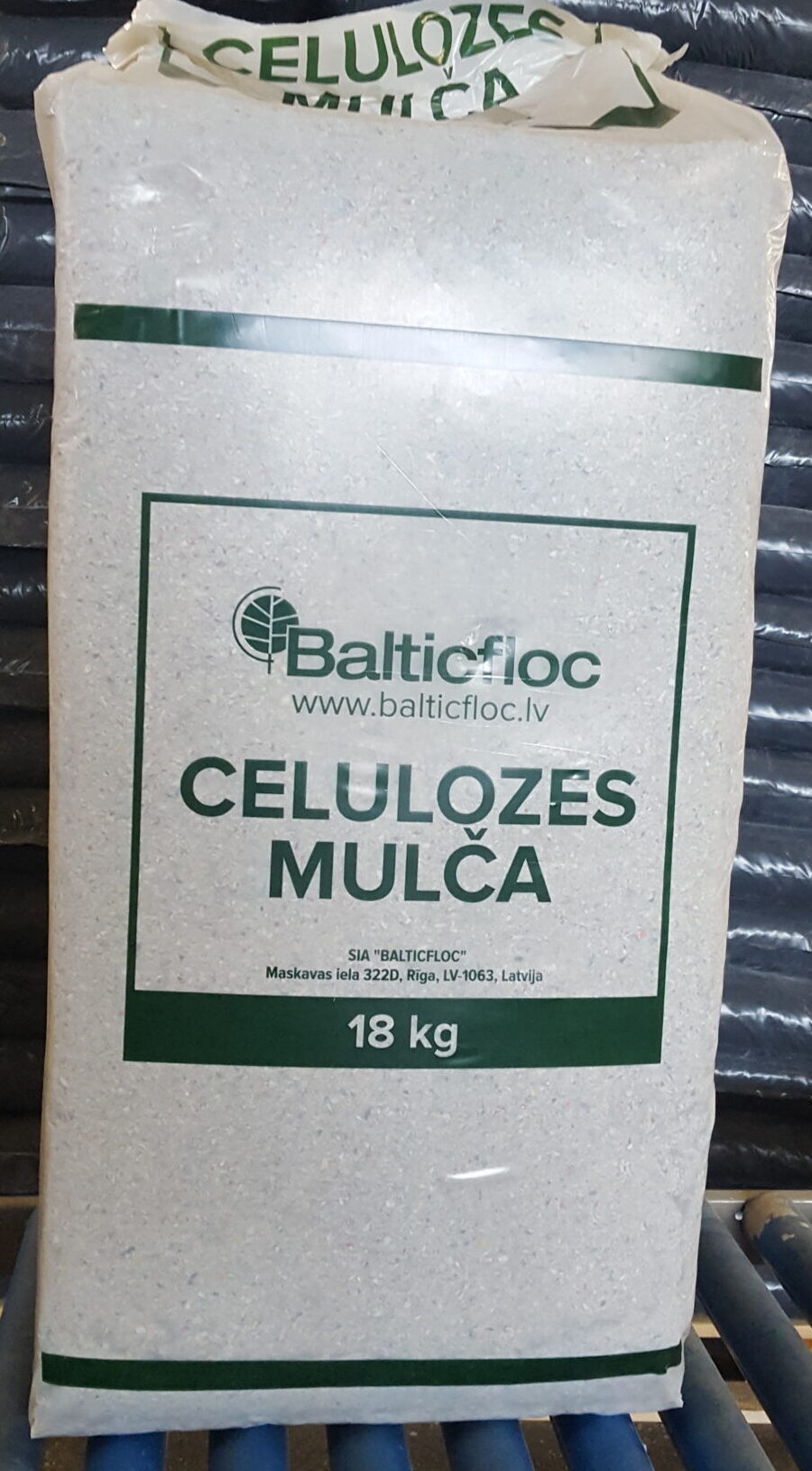
Cellulose Mulch 18 kg
9,68 €/pcs.
Our colorless cellulose mulch is a versatile and highly effective solution for landscaping and soil stabilization.
Questions and answers
Is the amount of cellulose mulch the same for all hydroseeding projects?
No. The amount of cellulose mulch required depends on several factors, including:
- the size of the area;
- the site’s topography;
- the selected hydroseeding mixture;
- the intended application rate;
The required amount should therefore be calculated for each project rather than using a single application rate for every site.
Is cellulose mulch suitable for every hydroseeding project?
Not always. Cellulose mulch is well suited to many lawn establishment and landscaping projects. However, sites with steep slopes, heavy surface water flow, or a higher risk of erosion may require a more durable fiber material or specialized erosion-control matrix.