
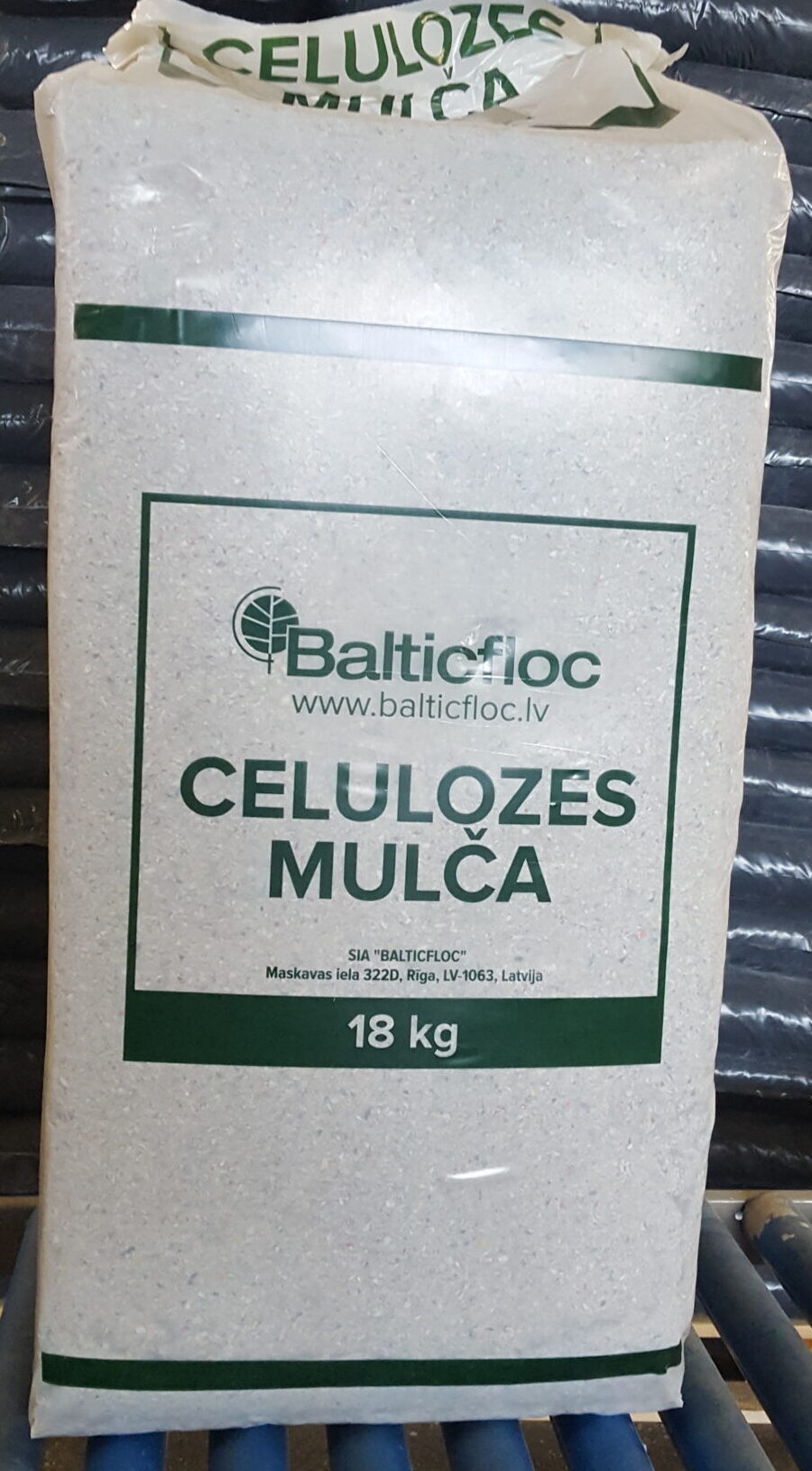
Cellulose Mulch 18 kg

Pk.: 0301
Environmentally friendly

9,68 €/pcs.

The price is indicative and will be confirmed when the order is placed.
Price including VAT

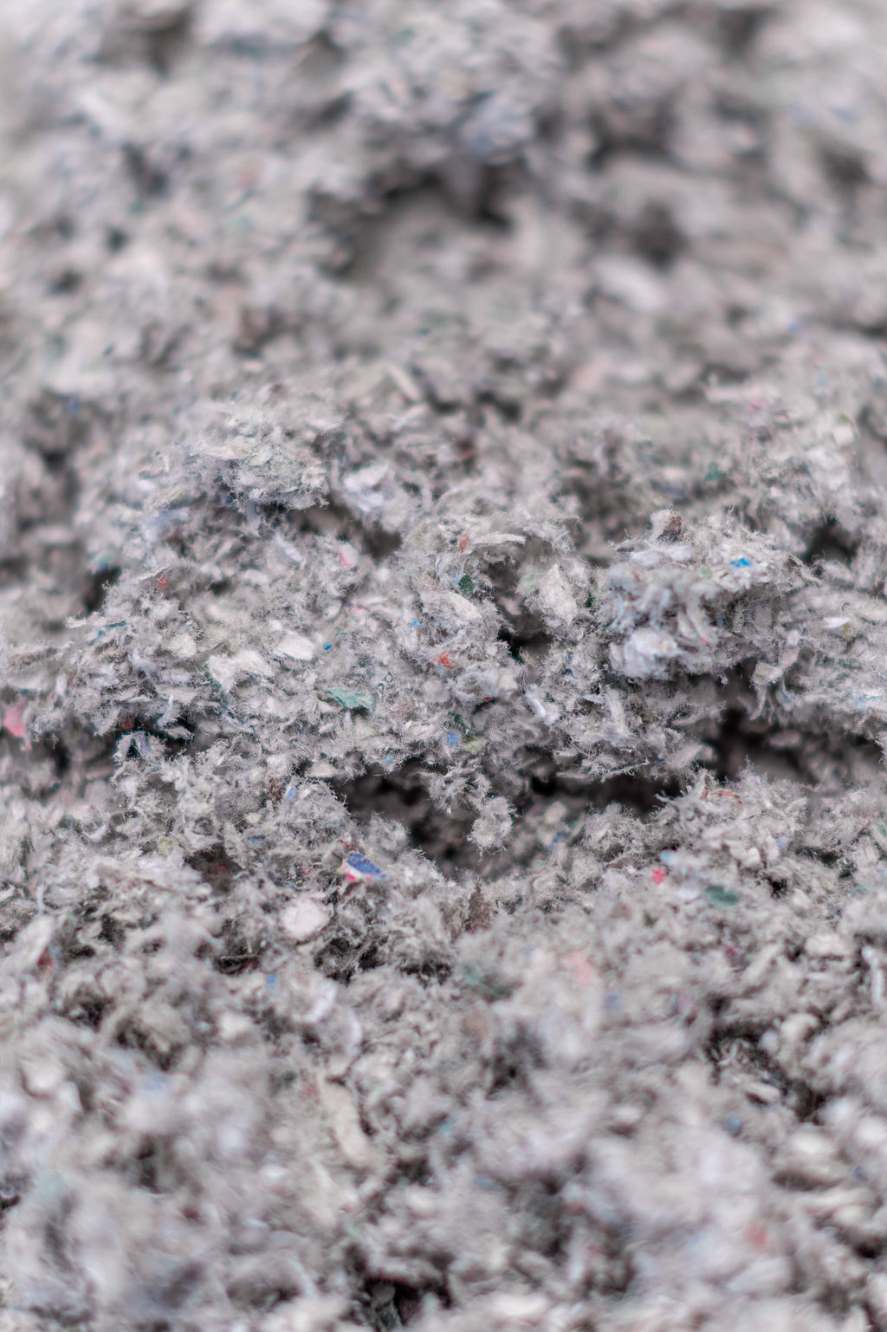
Our colorless cellulose mulch is a versatile and highly effective solution for landscaping and soil stabilization.

Ekspluatacijas-ipasibu-deklaracija-Mulca.pdf

Advantages of the hydro-seeding method

  • An evenly thick and lush lawn
  • Rapid lawn germination and greening
  • Effective lawn fertilization right at the time of sowing
  • The cellulose pulp in the hydroseeding mixture forms a binding agent that protects the lawn's surface layer against erosion, washout, sun scorch, and trampling.
  • Hydroseeding is also suitable for stabilizing and greening steep slopes.
  • A cost-effective method that allows you to sow a beautiful lawn even in poor soil.
Quantity

Warehouse pickup. View terms

Order delivery throughout Latvia. View terms and conditions

Product Description

Composition of mulch

Our cellulose mulch is a 100% organic and environmentally friendly material designed for effective water retention and soil protection.

It is made from high-quality, recycled paper pulp (90%), which ensures excellent moisture retention and even coverage of the soil. It is completely biodegradable.

The Use of Cellulose Mulch

  • Professional hydroseeding: The main component in hydroseeding mixtures (along with seeds and fertilizer) for quick and even lawn establishment in both private yards and public areas.
  • Slope and Embankment Stabilization: Effectively protects road shoulders, ditch slopes, and embankments against rain-induced erosion and wind scouring until the roots of established grasses take over the task of stabilizing the soil.
  • Soil Moisture Regulation: Can be used as a protective layer for crops in dry regions or during hot weather, ensuring a stable microclimate for germination and reducing the need for frequent watering.
  • Ecological and Landscape Projects: Since the mulch is colorless and 100% biodegradable, it is ideal for projects where a completely natural appearance and zero impact on the surrounding environment are important.
Questions and Answers

Is the amount of cellulose mulch the same for every hydroseeding project?

No. The required amount of cellulose is influenced by:
the size of the area to be treated;
the terrain;
the selected mixture formulation;
the intended application rate per unit area.
Hydroseeding should therefore be planned by calculating the material consumption for the specific site rather than using one fixed dose for every project.

Is cellulose mulch suitable for every hydroseeding site?

Not always. Cellulose fiber mulch is suitable for many lawn establishment and landscaping projects, but sites with very steep slopes, intense surface water flow, or an increased risk of erosion may require a more durable fiber material or a specialized erosion control mat. The material should therefore be selected to suit the conditions of the particular site.

How is cellulose mulch mixed with other materials?

The structure of cellulose mulch allows it to be incorporated into various dry or wet mixtures. During mechanical mixing, the fibers gradually disperse throughout the mass, creating a more uniform structure in the finished product. However, the mixing result is influenced not only by the properties of the cellulose mulch but also by:
the mixing technology used;
the order in which materials are added;
the proportions of the materials used;
the mixing time.
It is therefore important to follow the specific product formulation or the requirements of the production process. Properly incorporated cellulose mulch does not form a separate layer of material but disperses evenly throughout the mixture.

How should cellulose mulch be stored correctly?

The porous fiber structure of cellulose mulch readily absorbs moisture from the environment. If the material becomes damp before use, its properties may change, making consistent dosing or installation more difficult. The mulch should therefore be protected from precipitation, high air humidity, and direct contact with wet surfaces until use. It is recommended to:
store it in dry, well-ventilated premises;
keep it in its original packaging until the product is used;
avoid placing it directly on the floor or other damp surfaces.

What is a hydroseeding mixture made of?

Hydroseeding begins with the correct preparation of the hydroseeding mixture. It usually consists of water, cellulose mulch or mulch granules, grass seeds, fertilizer, and, if necessary, other additives used in hydroseeding technology. In some cases, soil conditioners, tackifiers, or other components adapted to the requirements of the specific site are also added. To ensure that all components reach the soil evenly during hydroseeding, it is important to observe the intended proportions of each material in the mixture and allow sufficient mixing time. A uniform mixture reduces the risk of excessive or insufficient seed concentration in certain areas.

How is the mixture sprayed?

Hydroseeding is carried out with specialized equipment that allows the mixture to be sprayed evenly over a prepared soil surface. Before starting, the soil surface must be cleared of stones, weeds, and other foreign objects. If necessary, the soil is loosened and leveled to create suitable conditions for seed germination and rooting. This installation method allows both small and large areas to be treated relatively quickly.

What weather conditions are recommended for hydroseeding?

To achieve the desired result, it is important to choose suitable weather conditions. Hydroseeding is usually carried out during the growing season, when the soil temperature is suitable for grass seed germination and regular watering can be provided. Work is not recommended during periods of heavy rain or prolonged drought, as these can adversely affect the uniformity of seed germination.

How long do cellulose products remain on the soil surface?

Cellulose is a biodegradable material. The decomposition process occurs gradually under the influence of natural environmental conditions, so cellulose products perform their function only during the initial stage of lawn development. They then decompose naturally and do not need to be collected or mechanically removed from the landscaped area.

How should the area be maintained after hydroseeding?

As the lawn's root system actively develops after hydroseeding, particular attention should be paid to maintaining the area. Proper care during the first weeks significantly affects turf density and uniform development. Until the grass has fully germinated, the soil should be kept evenly moist while avoiding prolonged water accumulation. It is also advisable to avoid walking on the seeded area so as not to damage the developing turf. The first mowing should be carried out only when the lawn is sufficiently rooted and has reached a height suitable for mowing.

Composition of mulch

Our cellulose mulch is a 100% organic and environmentally friendly material designed for effective water retention and soil protection.

It is made from high-quality, recycled paper pulp (90%), which ensures excellent moisture retention and even coverage of the soil. It is completely biodegradable.

The Use of Cellulose Mulch

  • Professional hydroseeding: The main component in hydroseeding mixtures (along with seeds and fertilizer) for quick and even lawn establishment in both private yards and public areas.
  • Slope and Embankment Stabilization: Effectively protects road shoulders, ditch slopes, and embankments against rain-induced erosion and wind scouring until the roots of established grasses take over the task of stabilizing the soil.
  • Soil Moisture Regulation: Can be used as a protective layer for crops in dry regions or during hot weather, ensuring a stable microclimate for germination and reducing the need for frequent watering.
  • Ecological and Landscape Projects: Since the mulch is colorless and 100% biodegradable, it is ideal for projects where a completely natural appearance and zero impact on the surrounding environment are important.

Is the amount of cellulose mulch the same for every hydroseeding project?

No. The required amount of cellulose is influenced by:
the size of the area to be treated;
the terrain;
the selected mixture formulation;
the intended application rate per unit area.
Hydroseeding should therefore be planned by calculating the material consumption for the specific site rather than using one fixed dose for every project.

Is cellulose mulch suitable for every hydroseeding site?

Not always. Cellulose fiber mulch is suitable for many lawn establishment and landscaping projects, but sites with very steep slopes, intense surface water flow, or an increased risk of erosion may require a more durable fiber material or a specialized erosion control mat. The material should therefore be selected to suit the conditions of the particular site.

How is cellulose mulch mixed with other materials?

The structure of cellulose mulch allows it to be incorporated into various dry or wet mixtures. During mechanical mixing, the fibers gradually disperse throughout the mass, creating a more uniform structure in the finished product. However, the mixing result is influenced not only by the properties of the cellulose mulch but also by:
the mixing technology used;
the order in which materials are added;
the proportions of the materials used;
the mixing time.
It is therefore important to follow the specific product formulation or the requirements of the production process. Properly incorporated cellulose mulch does not form a separate layer of material but disperses evenly throughout the mixture.

How should cellulose mulch be stored correctly?

The porous fiber structure of cellulose mulch readily absorbs moisture from the environment. If the material becomes damp before use, its properties may change, making consistent dosing or installation more difficult. The mulch should therefore be protected from precipitation, high air humidity, and direct contact with wet surfaces until use. It is recommended to:
store it in dry, well-ventilated premises;
keep it in its original packaging until the product is used;
avoid placing it directly on the floor or other damp surfaces.

What is a hydroseeding mixture made of?

Hydroseeding begins with the correct preparation of the hydroseeding mixture. It usually consists of water, cellulose mulch or mulch granules, grass seeds, fertilizer, and, if necessary, other additives used in hydroseeding technology. In some cases, soil conditioners, tackifiers, or other components adapted to the requirements of the specific site are also added. To ensure that all components reach the soil evenly during hydroseeding, it is important to observe the intended proportions of each material in the mixture and allow sufficient mixing time. A uniform mixture reduces the risk of excessive or insufficient seed concentration in certain areas.

How is the mixture sprayed?

Hydroseeding is carried out with specialized equipment that allows the mixture to be sprayed evenly over a prepared soil surface. Before starting, the soil surface must be cleared of stones, weeds, and other foreign objects. If necessary, the soil is loosened and leveled to create suitable conditions for seed germination and rooting. This installation method allows both small and large areas to be treated relatively quickly.

What weather conditions are recommended for hydroseeding?

To achieve the desired result, it is important to choose suitable weather conditions. Hydroseeding is usually carried out during the growing season, when the soil temperature is suitable for grass seed germination and regular watering can be provided. Work is not recommended during periods of heavy rain or prolonged drought, as these can adversely affect the uniformity of seed germination.

How long do cellulose products remain on the soil surface?

Cellulose is a biodegradable material. The decomposition process occurs gradually under the influence of natural environmental conditions, so cellulose products perform their function only during the initial stage of lawn development. They then decompose naturally and do not need to be collected or mechanically removed from the landscaped area.

How should the area be maintained after hydroseeding?

As the lawn's root system actively develops after hydroseeding, particular attention should be paid to maintaining the area. Proper care during the first weeks significantly affects turf density and uniform development. Until the grass has fully germinated, the soil should be kept evenly moist while avoiding prolonged water accumulation. It is also advisable to avoid walking on the seeded area so as not to damage the developing turf. The first mowing should be carried out only when the lawn is sufficiently rooted and has reached a height suitable for mowing.