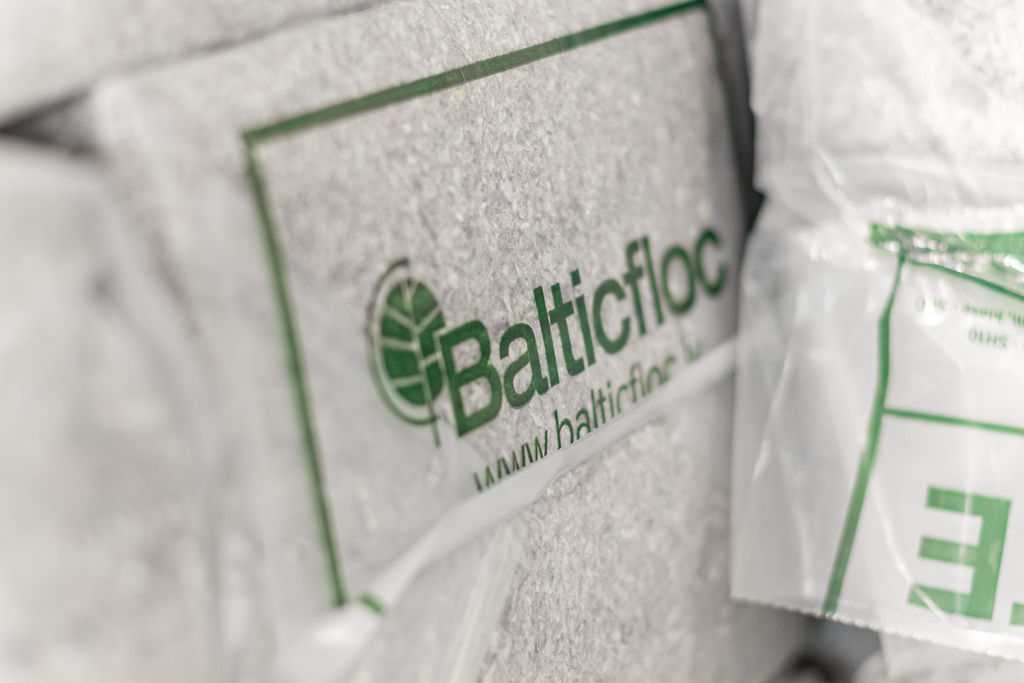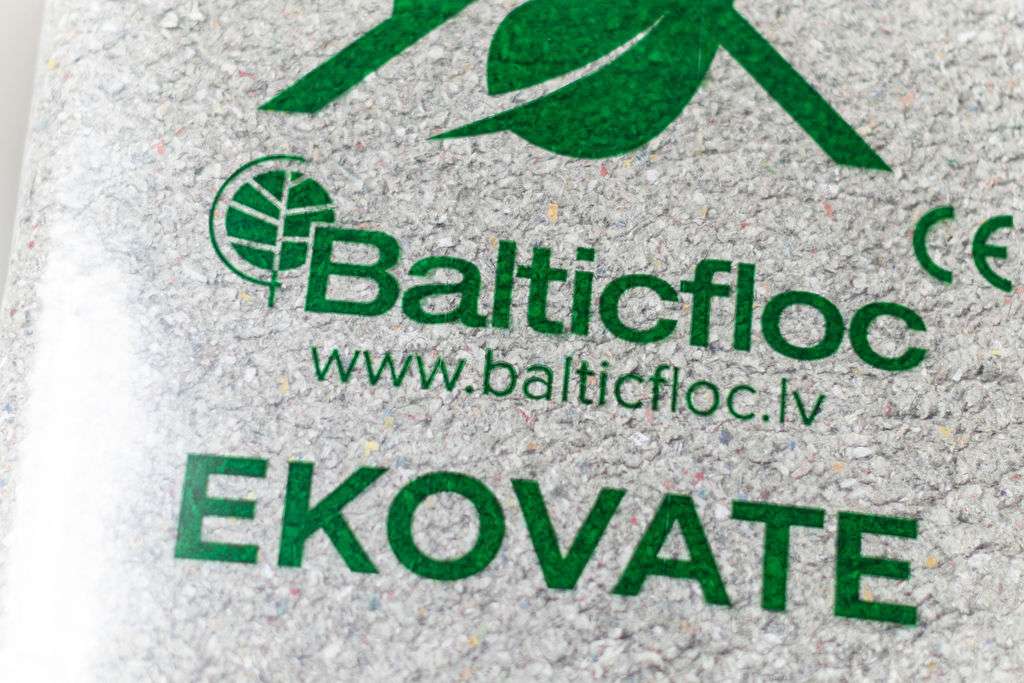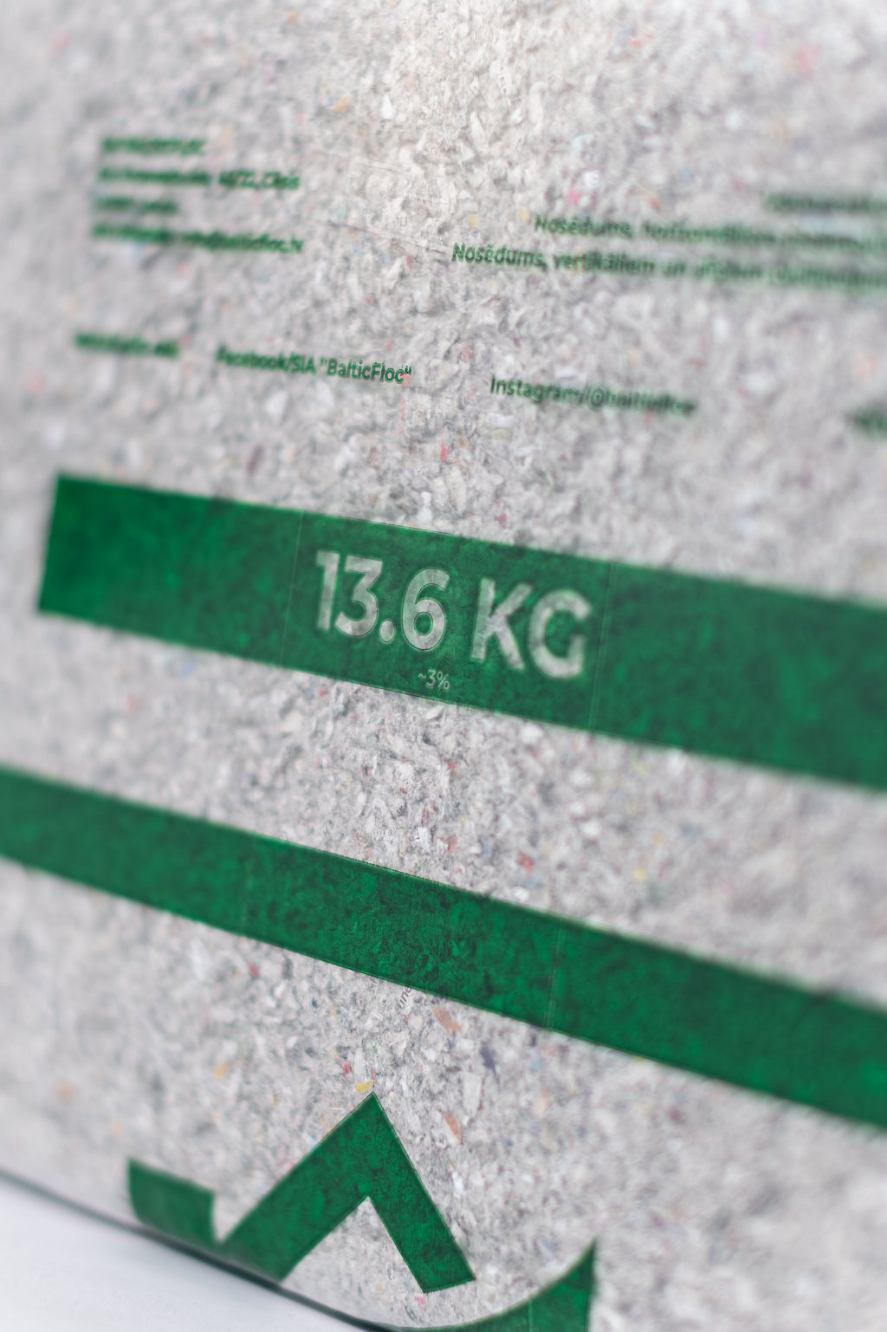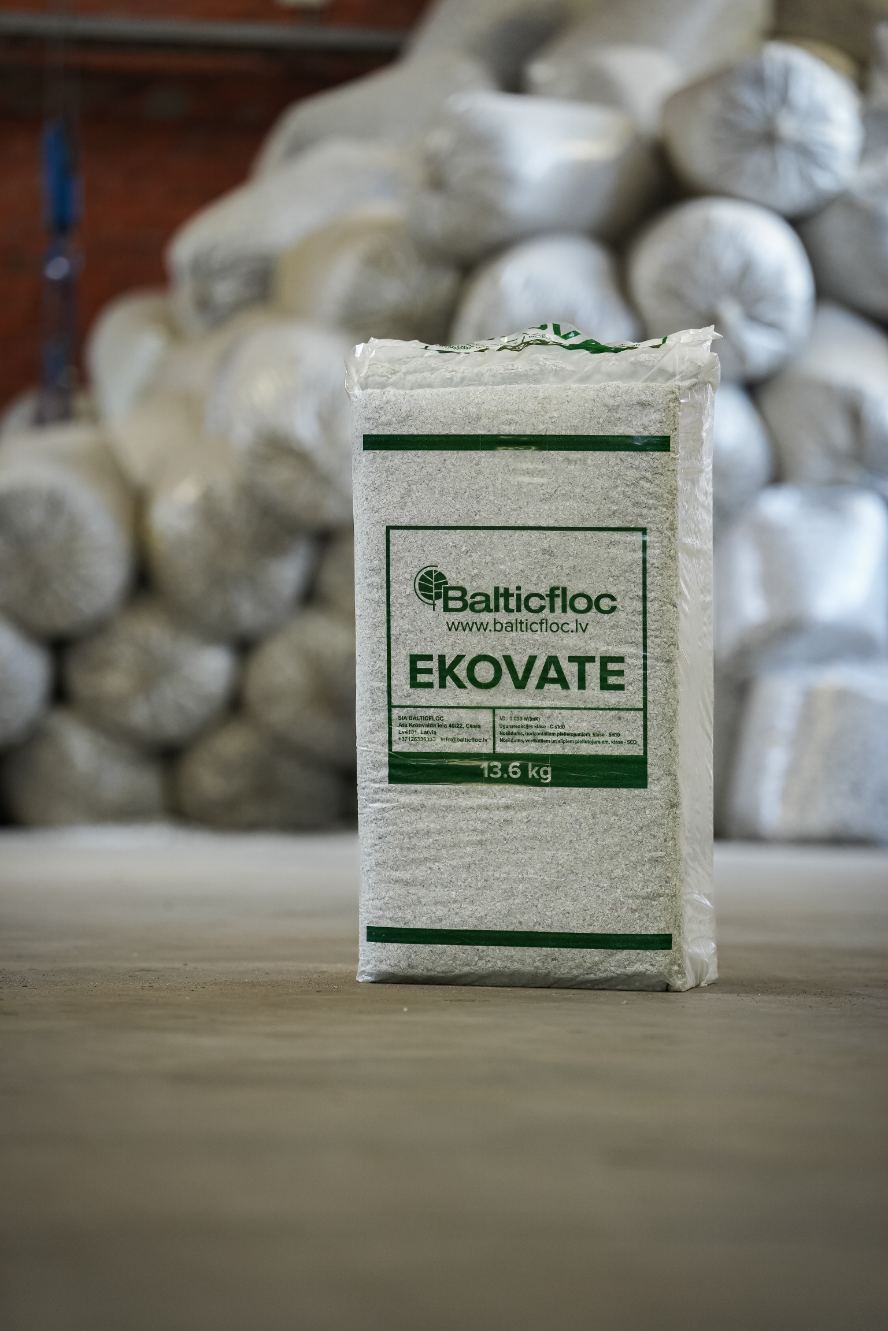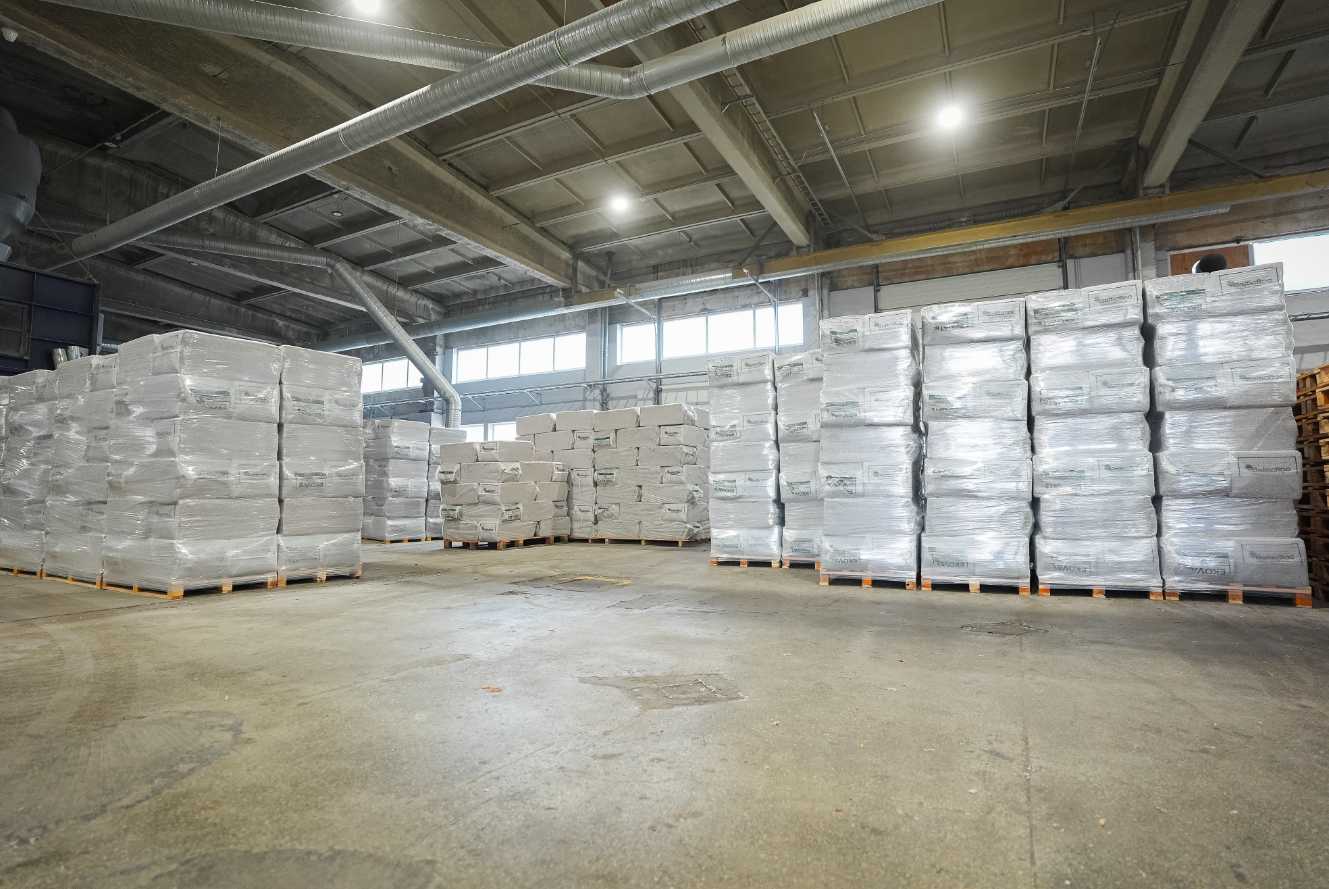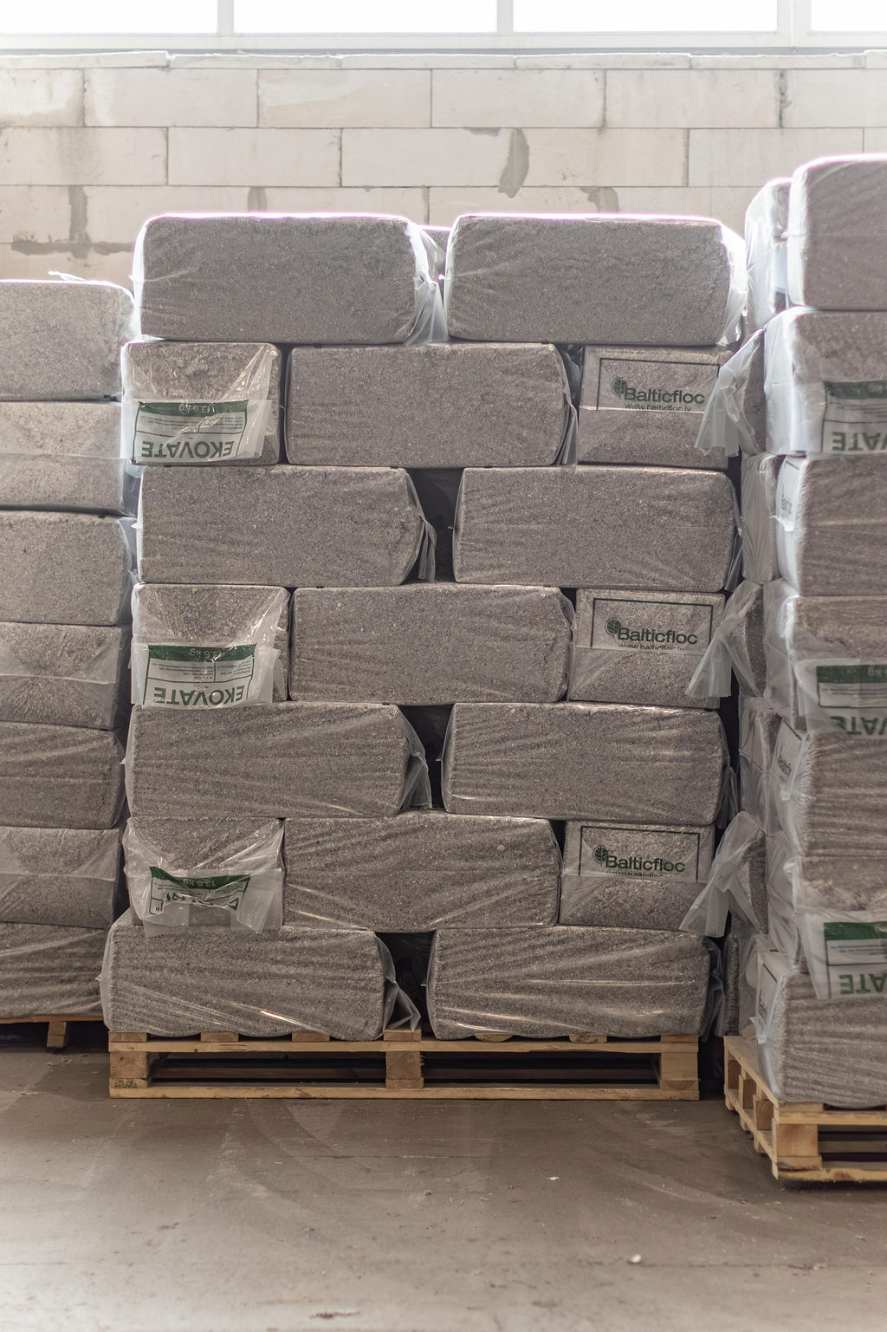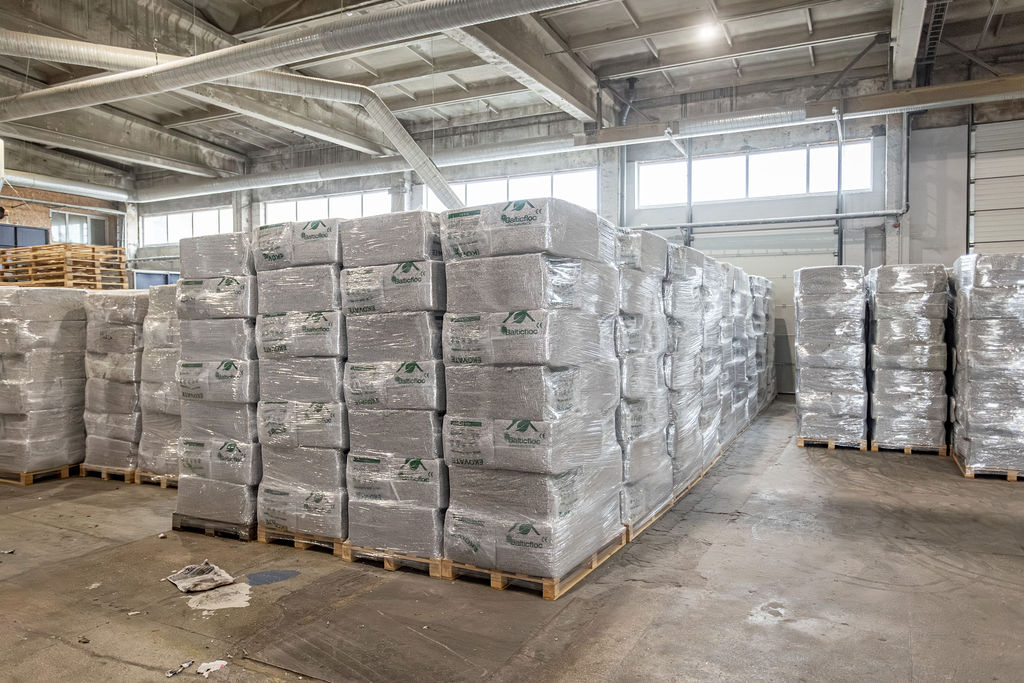
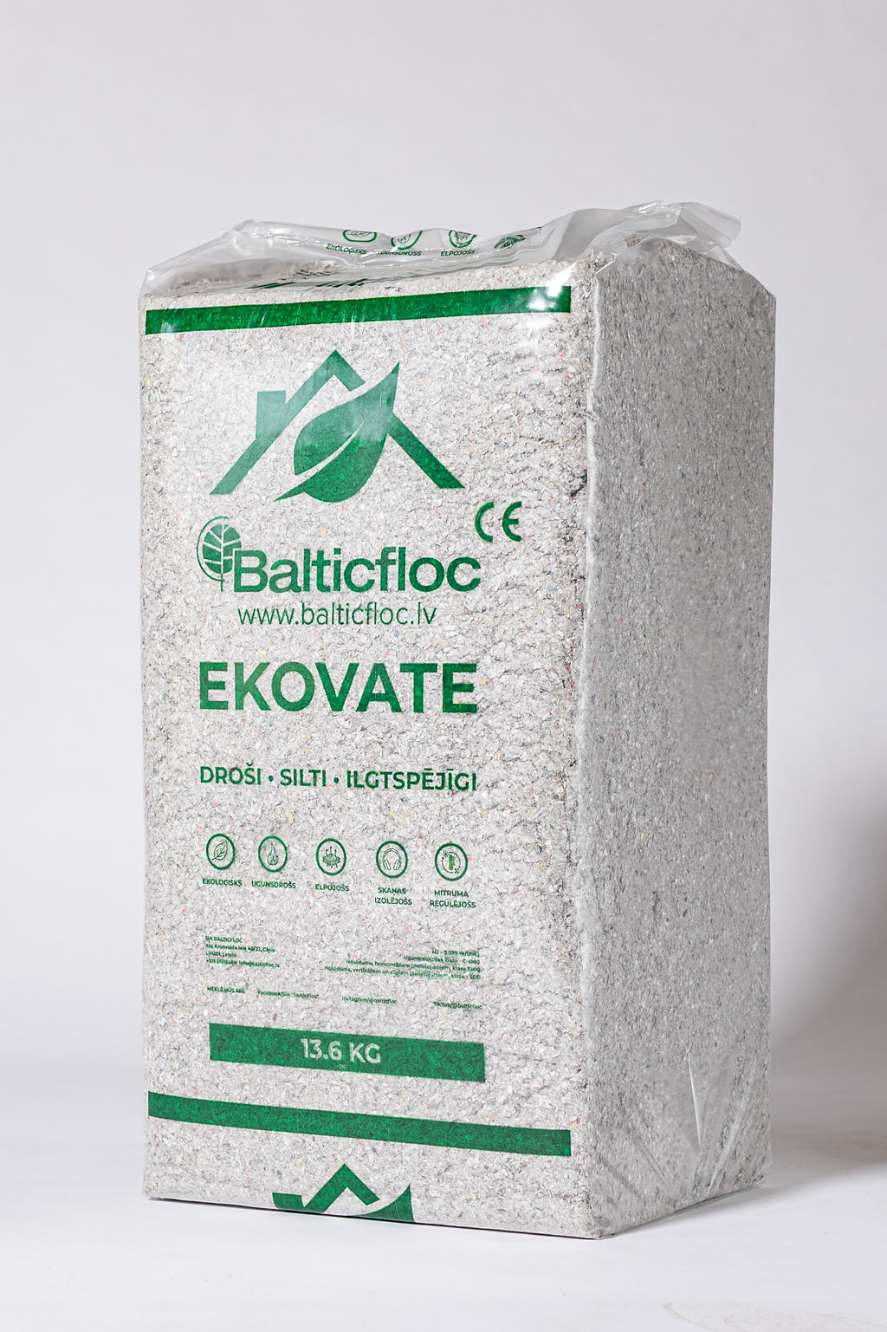
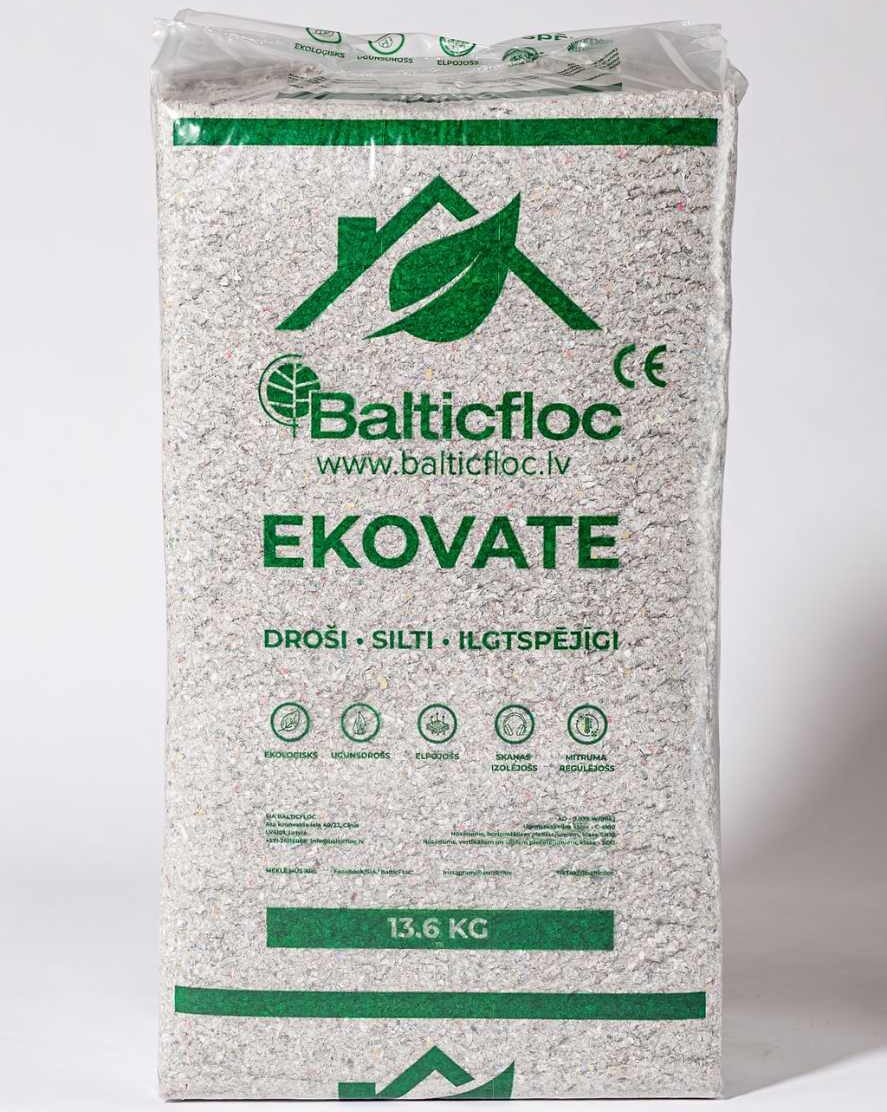
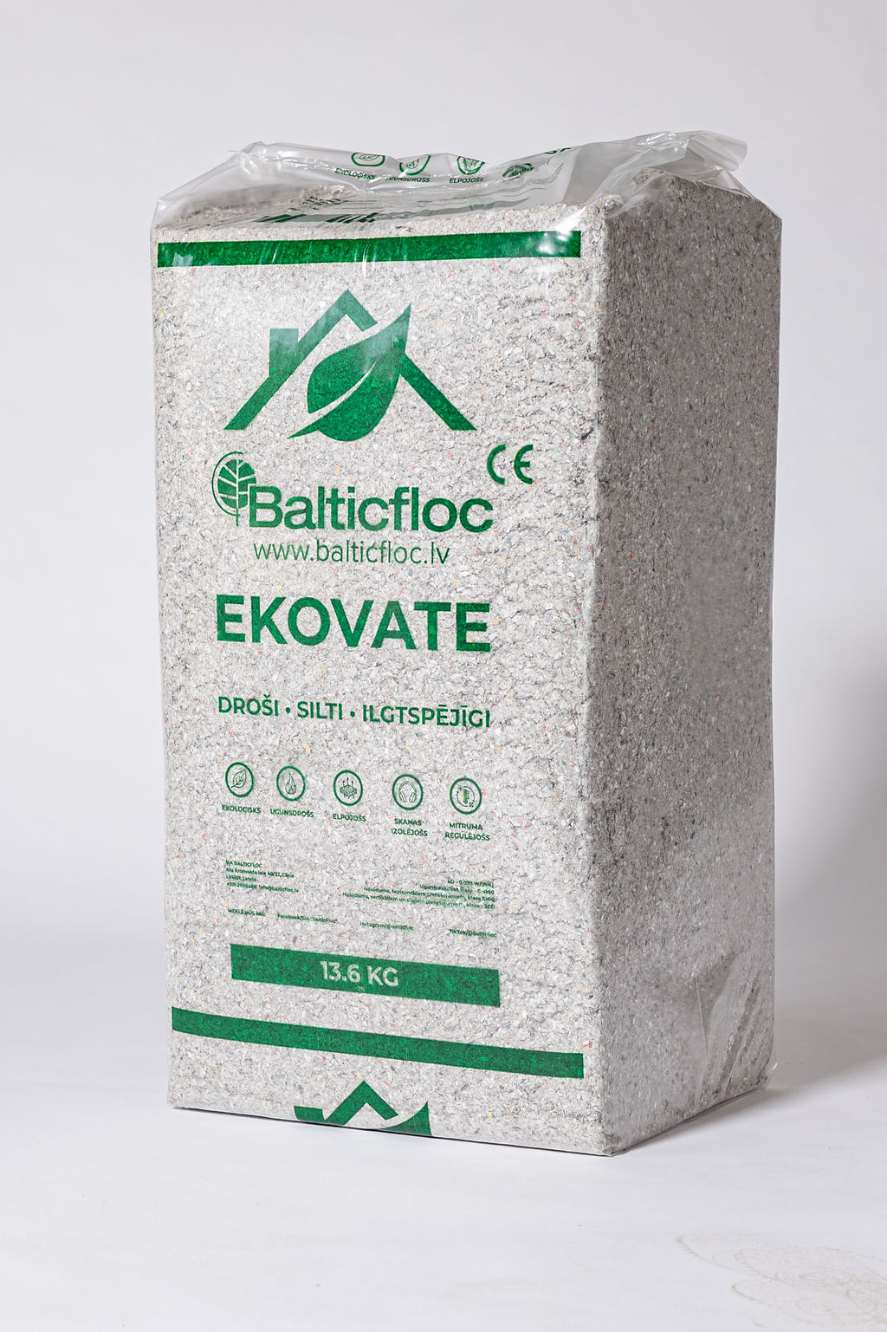
Ecowool 13.6 kg

Pk.: 0101
Environmentally friendly

10,89 €/pcs.

The price is indicative and will be confirmed when the order is placed.
Price including VAT

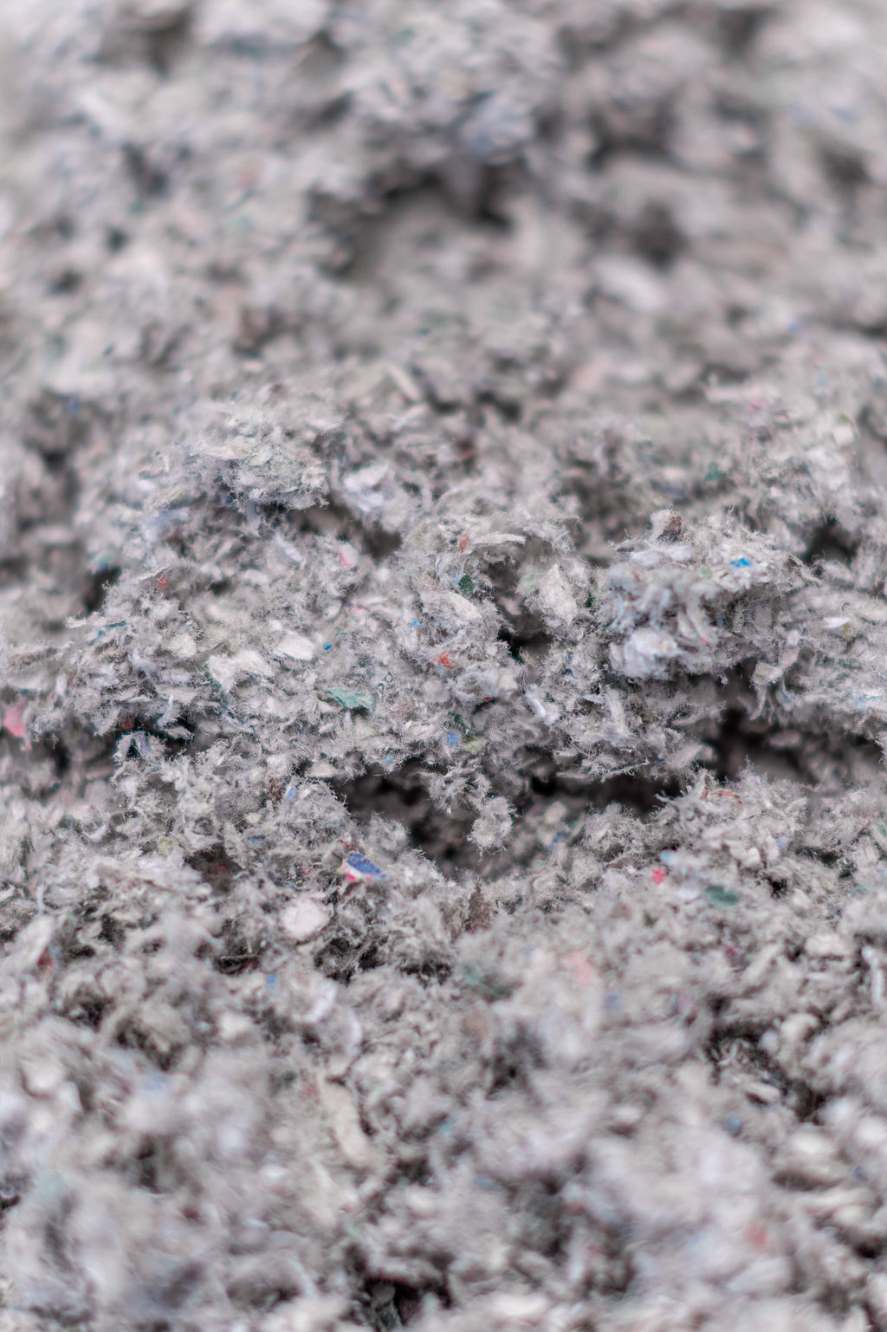
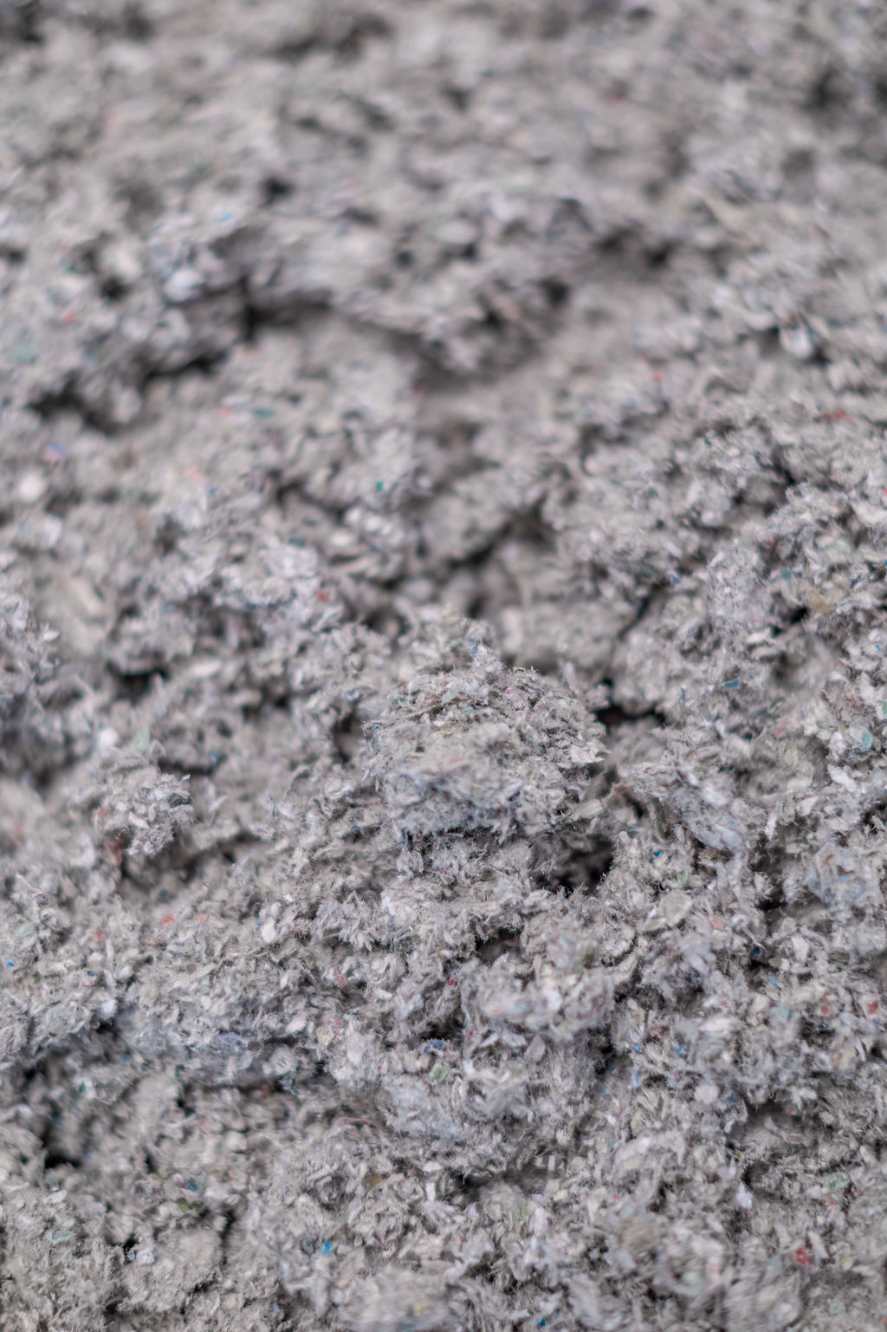
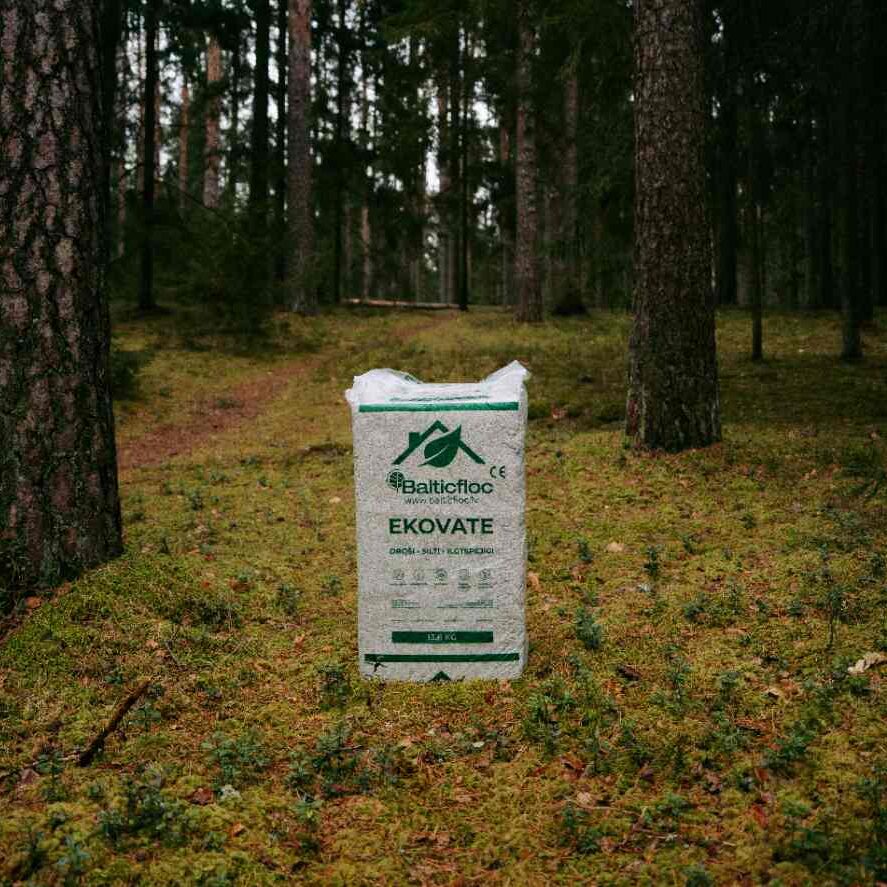
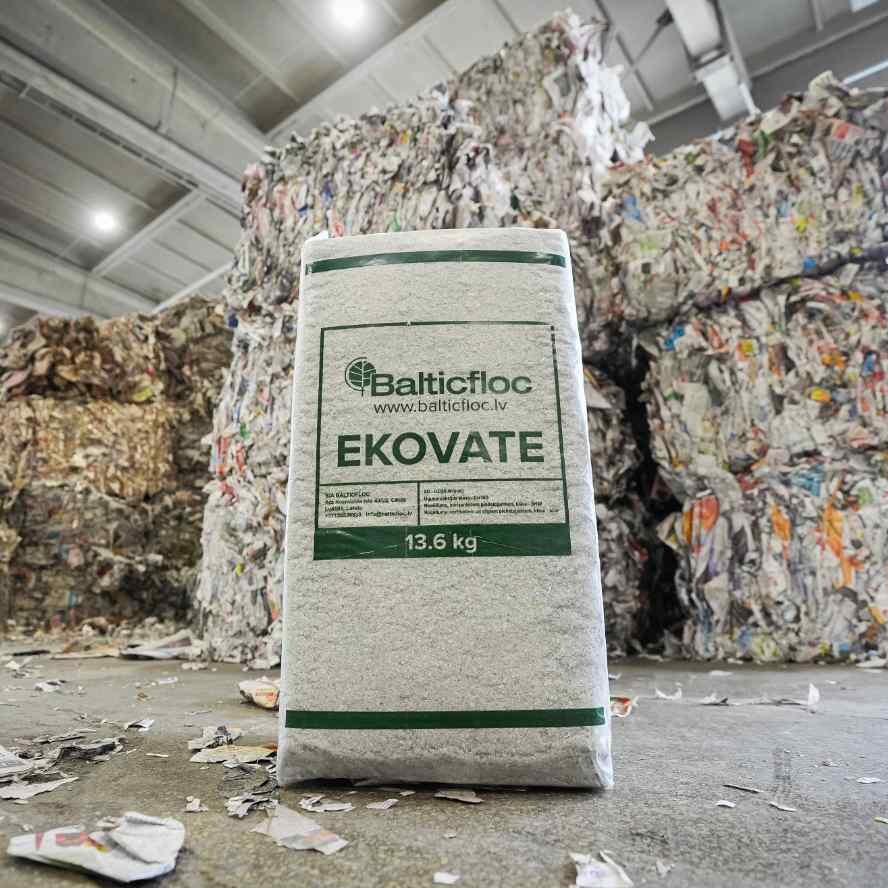
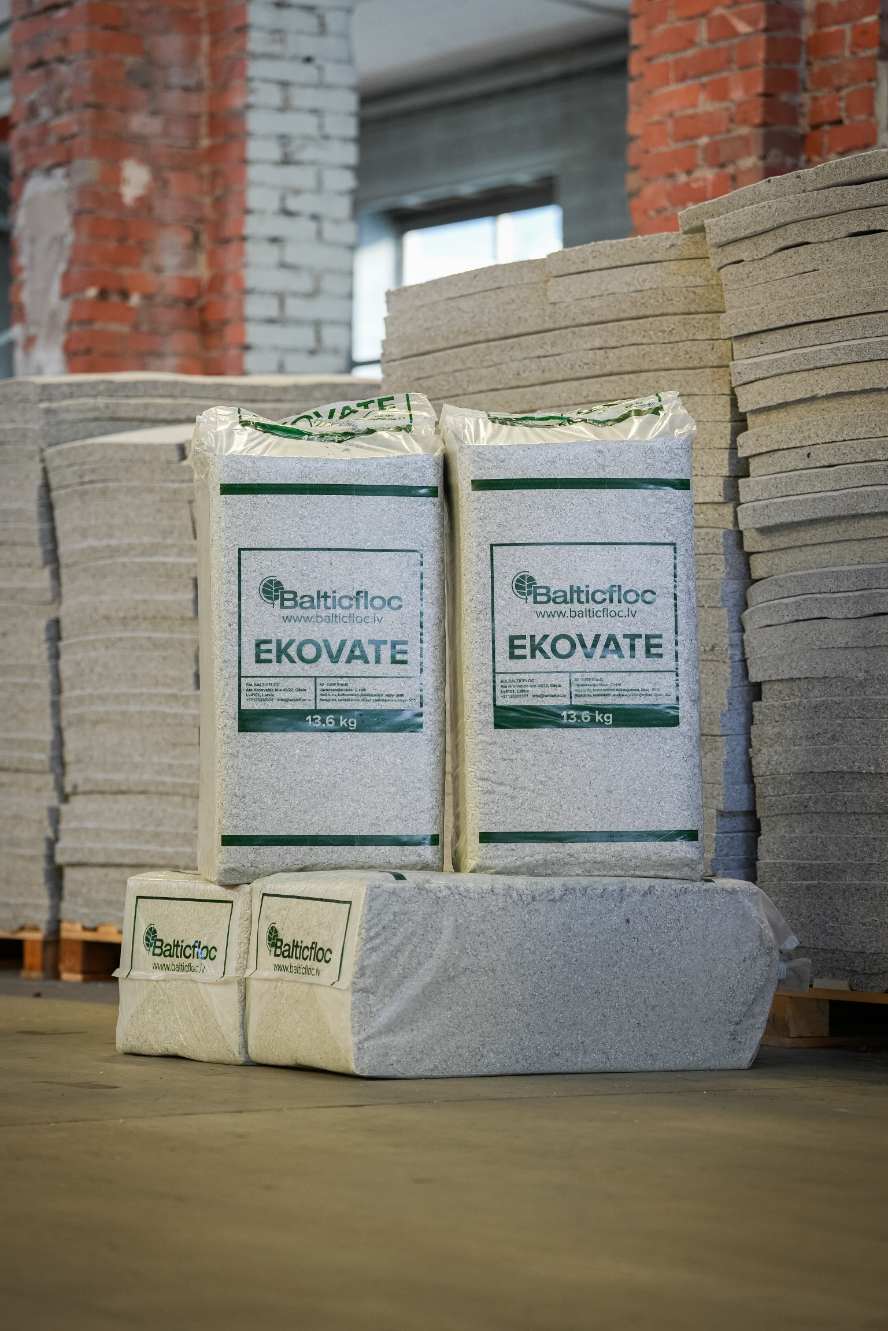
Ecowool is a natural, breathable, and effective thermal insulation material made from natural cellulose fibers derived from recycled paper.

Ekspluatacijas-ipasibu-deklaracija-EKOVATE.pdf

Product Features

  • Ecological
  • Moisture-regulating
  • Hypoallergenic
  • Breathable
  • Effective thermal insulation
  • Sound insulation
  • Fire-resistant, flame-retardant
  • Pests do not live there.
Quantity

Warehouse pickup. View terms

Order delivery throughout Latvia. View terms and conditions

Product Description

Composition of Ecowool

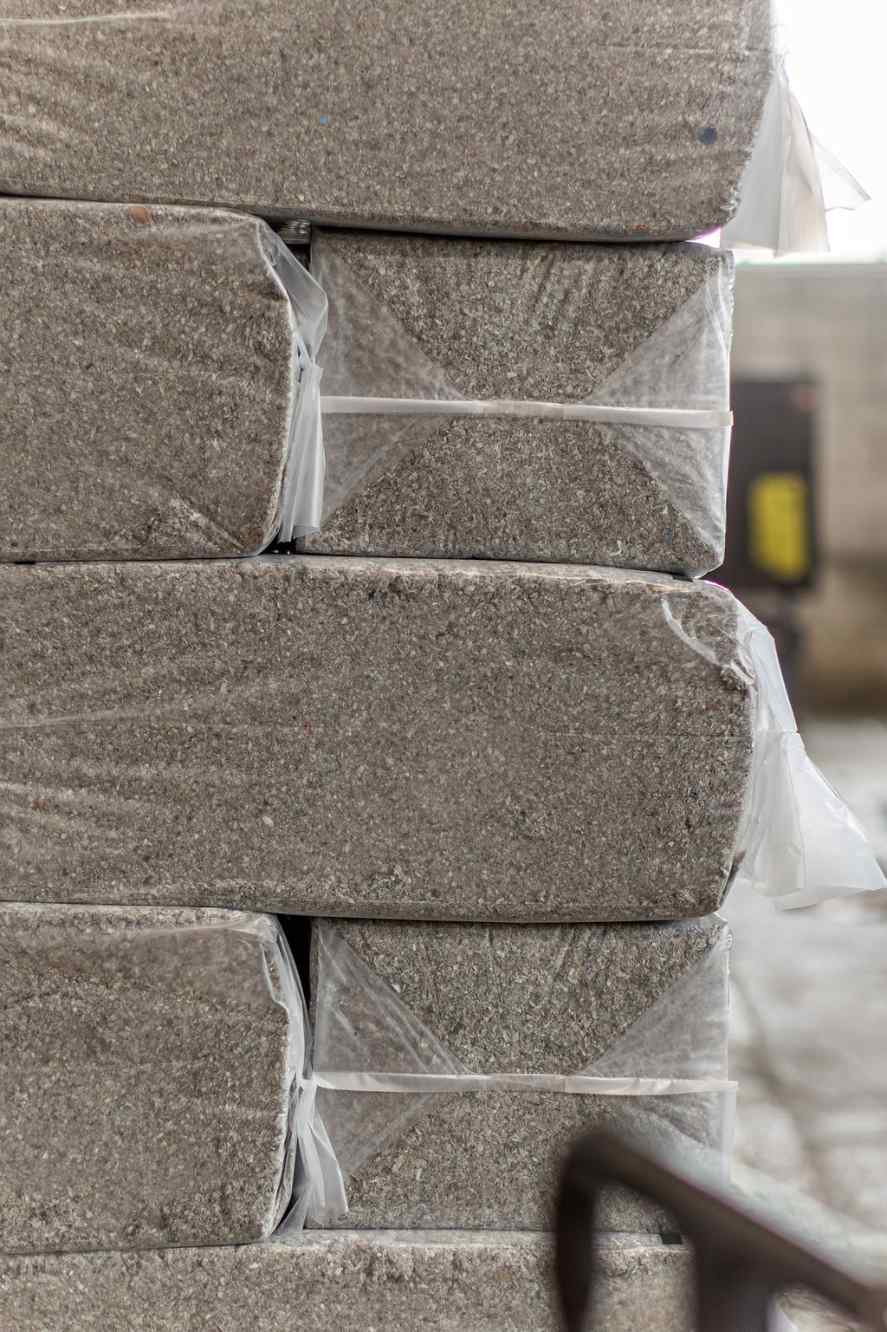
Ecowool is a loose, lightweight, dry material with a capillary-porous structure, consisting of 86% recycled cellulose fibers (shredded paper—wood fiber) and 14% natural salt additives—non-flammable fire retardants and antiseptics. Thanks to this composition, the material is completely safe during production, installation, and use. It provides excellent resistance to the spread of fire, does not rot or mold, and prevents the spread of rodents.
The Benefits of Eco-Wool

  • Environmentally friendly raw materials
  • Effective thermal insulation properties
  • Breathable thermal insulation material
  • Hypoallergenic material – safe for your health both during and after installation
  • Wide range of applications and various installation methods
  • Cost-effective to use, as there is no material waste
  • Fire-resistant and flame-retardant material
  • Excellent sound insulation properties
  • Rodents and pests do not nest here

Applications of EcoWatt

  • Installation of Ecowool while wet

The wet application method is used in exposed wall structures, ensuring effective insulation even on perfectly vertical surfaces. With the help of special equipment, the material is sprayed onto the surface to be insulated, allowing even hard-to-reach or narrow structures to be filled. Once the material has completely dried, it adheres tightly to the surface, preventing any potential surface deformation or the formation of gaps.

  • Dry Horizontal Installation of Ecowool

Dry horizontal installation of Ecowool is intended for insulating ceilings and attics. Using specialized installation equipment, Ecowool is blown freely onto the surface to be insulated, creating a thick yet breathable and moisture-regulating layer of thermal insulation.

  • Dry Vertical Installation of Ecowool

In its dry form, eco-wool is “blown” under pressure into sloped and vertical structures—such as specially constructed frames in building walls—using specialized installation equipment. The material’s fine texture allows it to be installed even in hard-to-reach places, filling all gaps and cracks. Furthermore, when Ecowate is installed under pressure, the material compacts tightly, ensuring that it will not settle over time.

Questions and Answers

Can eco-wool cause mold?

Properly installed eco-wool does not promote mold growth. The insulation can absorb and release moisture, helping to maintain a balanced moisture regime within the structure.

Does eco-wool attract rodents?

No, it does not. The additives in eco-wool help reduce the impact of pests and microorganisms on the material.

How long does eco-wool last?

Properly installed eco-wool can last for several decades while retaining its thermal insulation properties throughout the building's service life.

Does eco-wool settle over time?

Minimal compaction of the material (approximately 10%) may occur over time, but settling is negligible when it is installed professionally at the appropriate density.

Is eco-wool fire-resistant?

Eco-wool contains special additives (borax and boric acid) that improve fire resistance by inhibiting the rapid spread of flames.

Is eco-wool suitable for insulating old houses?

Eco-wool is often used in both new construction and renovation projects because it can also be installed in existing structures with limited access.

Composition of Ecowool

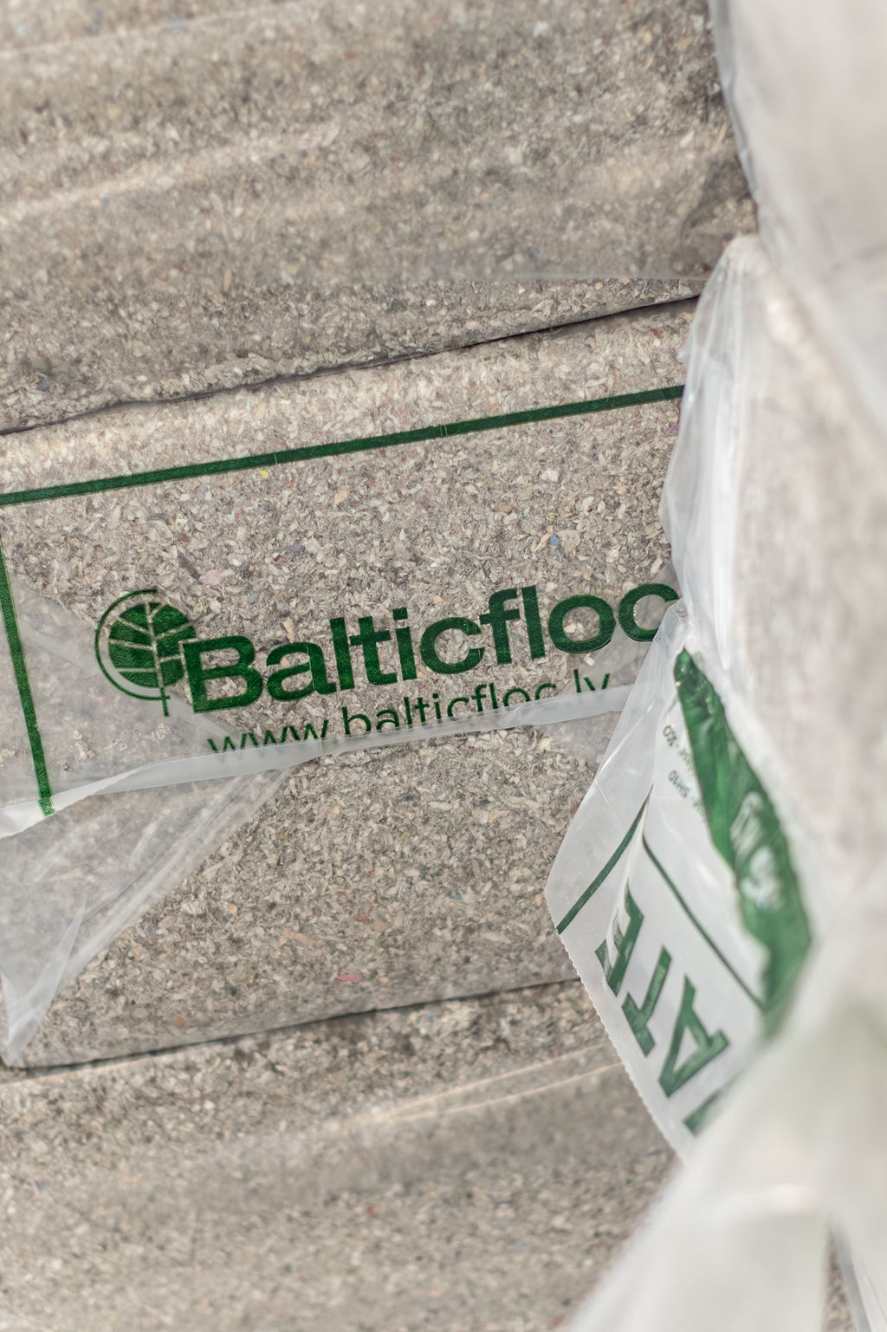
Ecowool is a loose, lightweight, dry material with a capillary-porous structure, consisting of 86% recycled cellulose fibers (shredded paper—wood fiber) and 14% natural salt additives—non-flammable fire retardants and antiseptics. Thanks to this composition, the material is completely safe during production, installation, and use. It provides excellent resistance to the spread of fire, does not rot or mold, and prevents the spread of rodents.
The Benefits of Eco-Wool

  • Environmentally friendly raw materials
  • Effective thermal insulation properties
  • Breathable thermal insulation material
  • Hypoallergenic material – safe for your health both during and after installation
  • Wide range of applications and various installation methods
  • Cost-effective to use, as there is no material waste
  • Fire-resistant and flame-retardant material
  • Excellent sound insulation properties
  • Rodents and pests do not nest here

Applications of EcoWatt

  • Installation of Ecowool while wet

The wet application method is used in exposed wall structures, ensuring effective insulation even on perfectly vertical surfaces. With the help of special equipment, the material is sprayed onto the surface to be insulated, allowing even hard-to-reach or narrow structures to be filled. Once the material has completely dried, it adheres tightly to the surface, preventing any potential surface deformation or the formation of gaps.

  • Dry Horizontal Installation of Ecowool

Dry horizontal installation of Ecowool is intended for insulating ceilings and attics. Using specialized installation equipment, Ecowool is blown freely onto the surface to be insulated, creating a thick yet breathable and moisture-regulating layer of thermal insulation.

  • Dry Vertical Installation of Ecowool

In its dry form, eco-wool is “blown” under pressure into sloped and vertical structures—such as specially constructed frames in building walls—using specialized installation equipment. The material’s fine texture allows it to be installed even in hard-to-reach places, filling all gaps and cracks. Furthermore, when Ecowate is installed under pressure, the material compacts tightly, ensuring that it will not settle over time.

Can eco-wool cause mold?

Properly installed eco-wool does not promote mold growth. The insulation can absorb and release moisture, helping to maintain a balanced moisture regime within the structure.

Does eco-wool attract rodents?

No, it does not. The additives in eco-wool help reduce the impact of pests and microorganisms on the material.

How long does eco-wool last?

Properly installed eco-wool can last for several decades while retaining its thermal insulation properties throughout the building's service life.

Does eco-wool settle over time?

Minimal compaction of the material (approximately 10%) may occur over time, but settling is negligible when it is installed professionally at the appropriate density.

Is eco-wool fire-resistant?

Eco-wool contains special additives (borax and boric acid) that improve fire resistance by inhibiting the rapid spread of flames.

Is eco-wool suitable for insulating old houses?

Eco-wool is often used in both new construction and renovation projects because it can also be installed in existing structures with limited access.