
Cellulose additive for asphalt, 1 metric ton

Pk.: 05011
Environmentally friendly

847,00 €/pcs.

The price is indicative and will be confirmed when the order is placed.
Price including VAT

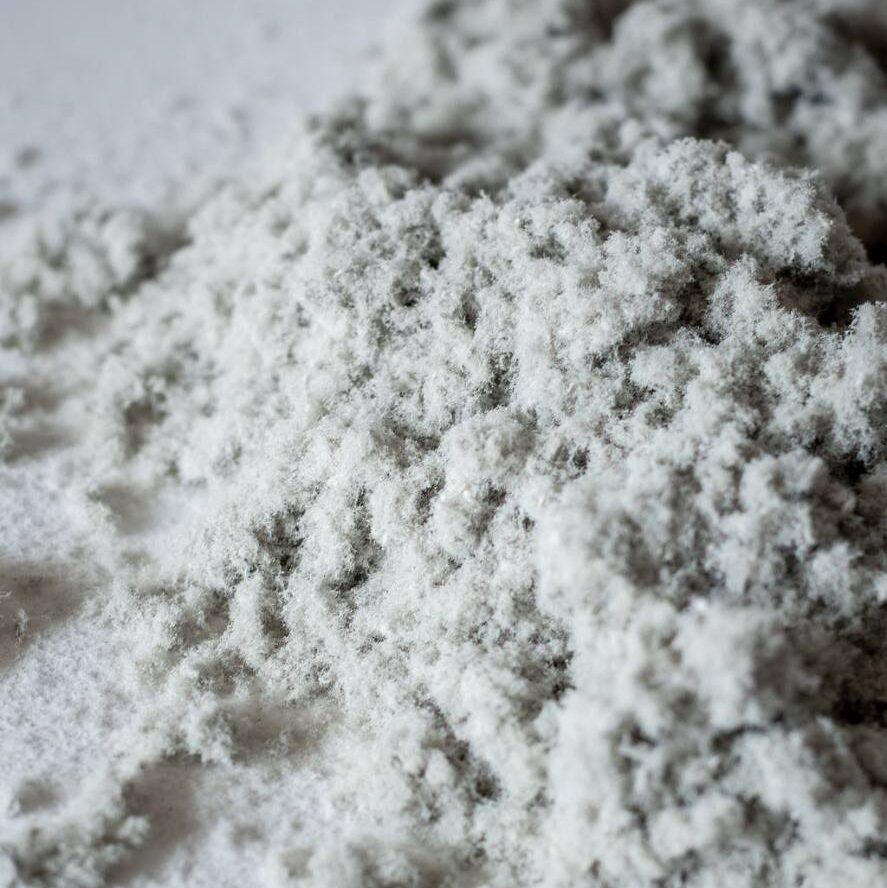
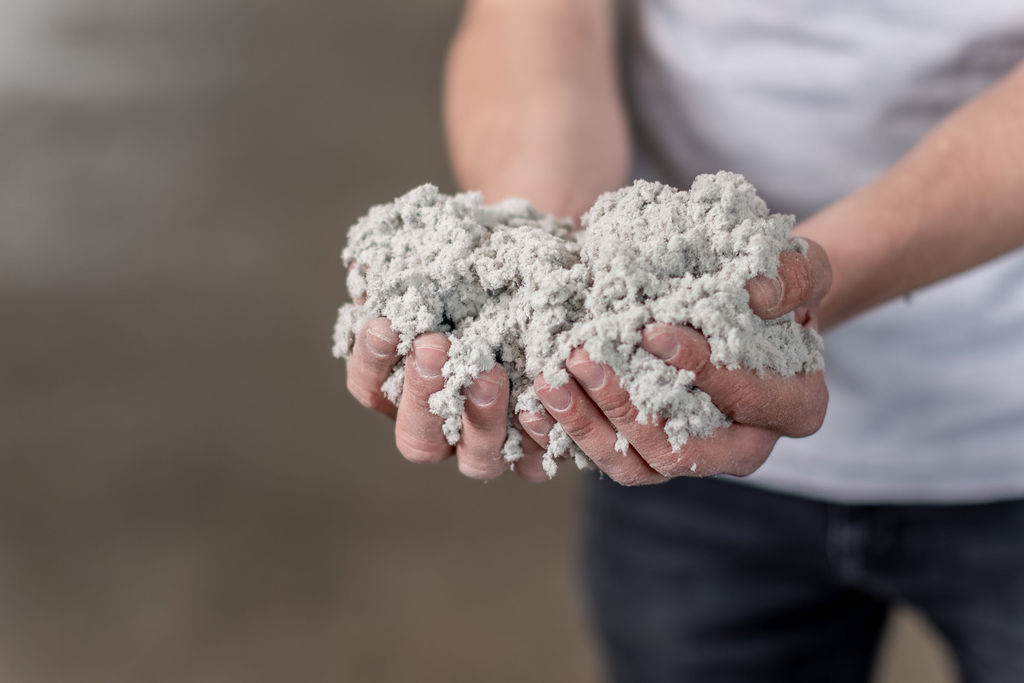
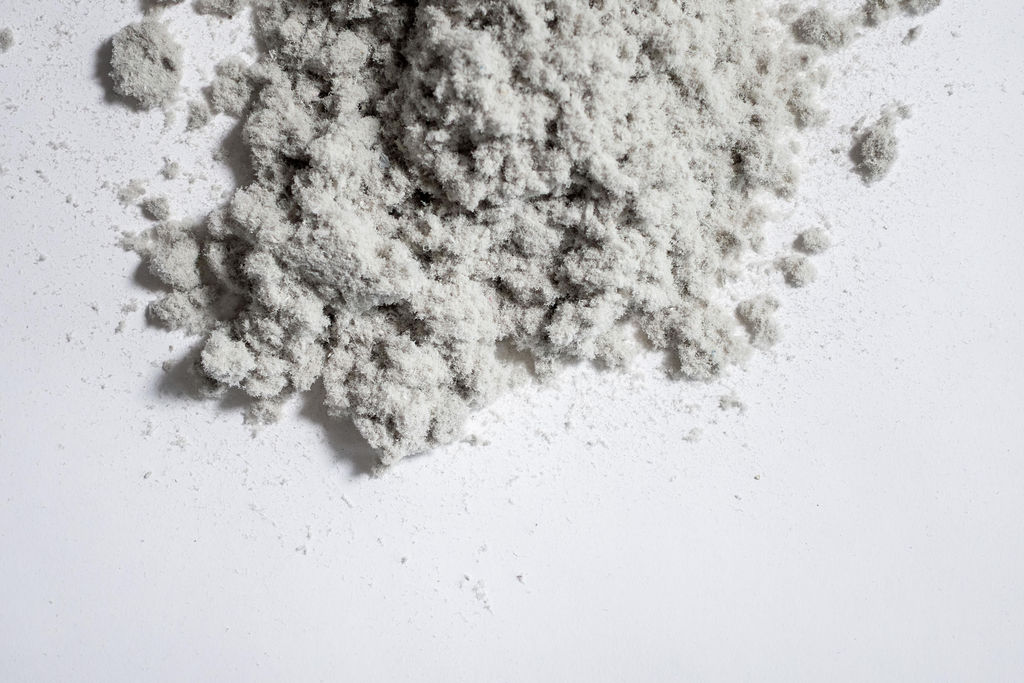
The stabilizing cellulose additive is used in automated asphalt concrete plants (with automated dispensers). The stabilizing cellulose additive plays an important role in preventing bitumen run-off. The additive prevents bitumen bleeding during production, transportation, and loading.

Atbilstibas-deklaracija-celuloze-puka-LV.pdf
Quantity

Warehouse pickup. View terms

Order delivery throughout Latvia. View terms and conditions

Product Description

Cellulose additive for asphalt

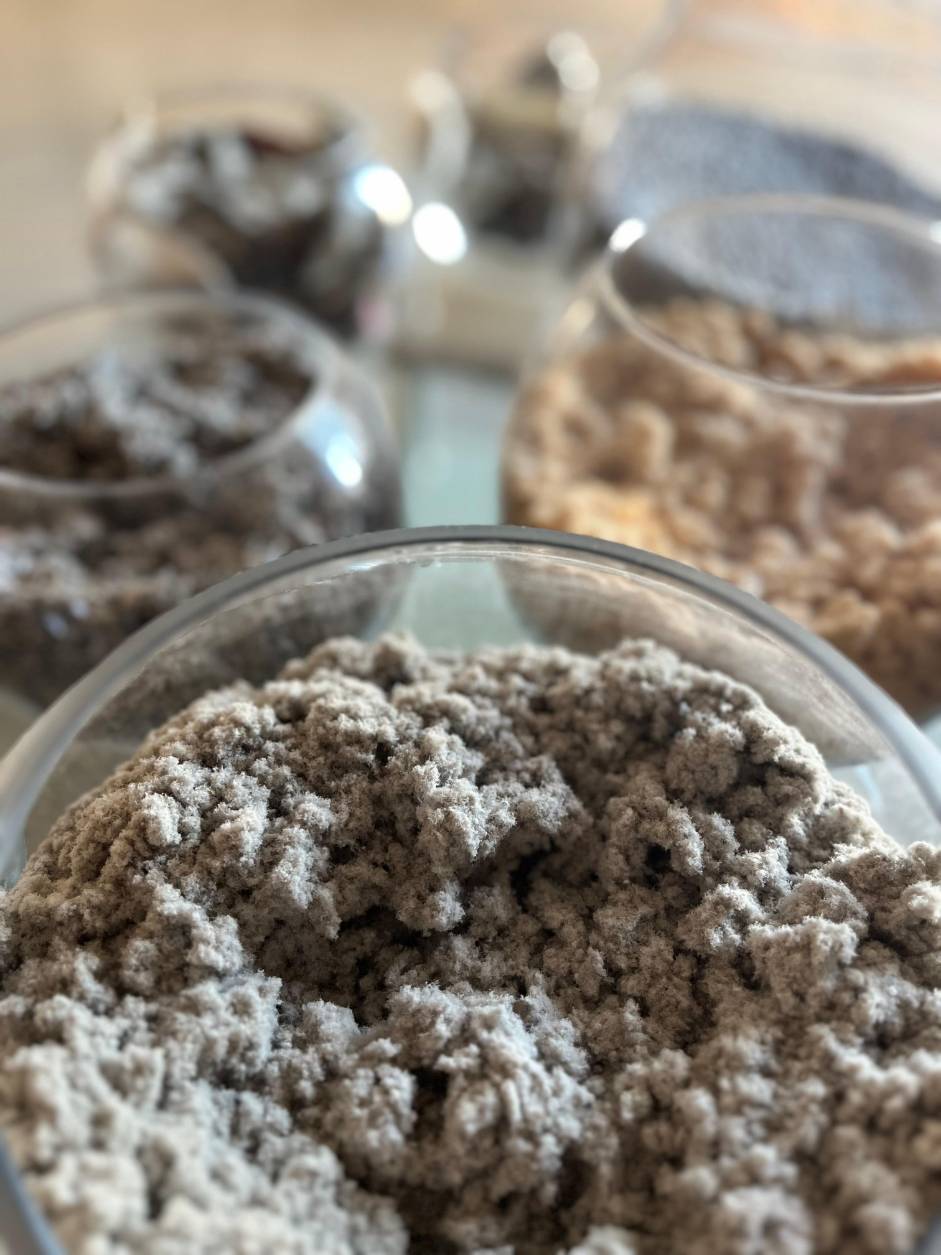
Balticfloc produces SMA cellulose fiber for asphalt mixtures, reducing bitumen run-off during asphalt production, transportation, and storage. Balticfloc cellulose fiber is obtained by recycling waste paper, making the resulting product both eco-friendly and cost-effective. It consists of recycled paper pulp (90%) and is completely biodegradable.

The higher proportion of active bitumen in SMA asphalt, compared to conventional asphalt concrete, helps extend the service life and durability of the road surface.
True road construction experts know exactly how to use cellulose fiber effectively and efficiently as a stabilizing additive.

Questions and Answers

Why are cellulose additives needed in SMA asphalt?

Stone mastic asphalt differs from other types of asphalt due to its higher bitumen content and coarser mineral aggregate structure. This composition improves pavement durability on roads with heavy traffic and reduces the risk of rutting. At the same time, it increases the possibility of bitumen separating from the mineral aggregate during mixture preparation, transportation, or laying. That is why cellulose additives for road construction are used in SMA mixtures.

How do cellulose additives stabilize an asphalt concrete mixture?

Cellulose fibers have a porous, branched structure that absorbs part of the bitumen and helps hold it evenly within the asphalt concrete mixture. Therefore, when mixed with the other components, cellulose granules help distribute bitumen more uniformly throughout the mixture, improving its consistency and stability from preparation to on-site installation. During transportation and laying, the mixture is exposed to high temperatures and mechanical stress. A small but precisely measured amount of cellulose additive is sufficient to maintain the stability of the asphalt concrete mixture under these conditions. A more stable mixture helps preserve the designed properties throughout the technological process and contributes to high-quality road pavement construction.

Do cellulose fibers burn when added to a hot asphalt mixture?

When the cellulose additive is used correctly, asphalt concrete production temperatures are not high enough to burn the fibers during mixing. Cellulose fibers retain their thermal stability at temperatures up to approximately 180 °C.

What happens to the cellulose additive in the finished road pavement?

Cellulose fibers disperse in the bitumen mastic and remain in the finished asphalt concrete together with the other components. Their main function is physical: the fiber structure helps stabilize the mastic and limit bitumen drainage rather than chemically transforming the bitumen itself.

Do cellulose fibers require additional preparation before being added to an asphalt mixture?

No. Balticfloc cellulose for asphalt mixtures is supplied as a ready-to-use fiber material that can be used in asphalt concrete production without additional product treatment. The required amount of cellulose is determined by the specific asphalt mixture formulation, while feeding and dosing should use technical equipment suitable for loose materials.

Cellulose additive for asphalt

Balticfloc produces SMA cellulose fiber for asphalt mixtures, reducing bitumen run-off during asphalt production, transportation, and storage. Balticfloc cellulose fiber is obtained by recycling waste paper, making the resulting product both eco-friendly and cost-effective. It consists of recycled paper pulp (90%) and is completely biodegradable.

The higher proportion of active bitumen in SMA asphalt, compared to conventional asphalt concrete, helps extend the service life and durability of the road surface.
True road construction experts know exactly how to use cellulose fiber effectively and efficiently as a stabilizing additive.

Why are cellulose additives needed in SMA asphalt?

Stone mastic asphalt differs from other types of asphalt due to its higher bitumen content and coarser mineral aggregate structure. This composition improves pavement durability on roads with heavy traffic and reduces the risk of rutting. At the same time, it increases the possibility of bitumen separating from the mineral aggregate during mixture preparation, transportation, or laying. That is why cellulose additives for road construction are used in SMA mixtures.

How do cellulose additives stabilize an asphalt concrete mixture?

Cellulose fibers have a porous, branched structure that absorbs part of the bitumen and helps hold it evenly within the asphalt concrete mixture. Therefore, when mixed with the other components, cellulose granules help distribute bitumen more uniformly throughout the mixture, improving its consistency and stability from preparation to on-site installation. During transportation and laying, the mixture is exposed to high temperatures and mechanical stress. A small but precisely measured amount of cellulose additive is sufficient to maintain the stability of the asphalt concrete mixture under these conditions. A more stable mixture helps preserve the designed properties throughout the technological process and contributes to high-quality road pavement construction.

Do cellulose fibers burn when added to a hot asphalt mixture?

When the cellulose additive is used correctly, asphalt concrete production temperatures are not high enough to burn the fibers during mixing. Cellulose fibers retain their thermal stability at temperatures up to approximately 180 °C.

What happens to the cellulose additive in the finished road pavement?

Cellulose fibers disperse in the bitumen mastic and remain in the finished asphalt concrete together with the other components. Their main function is physical: the fiber structure helps stabilize the mastic and limit bitumen drainage rather than chemically transforming the bitumen itself.

Do cellulose fibers require additional preparation before being added to an asphalt mixture?

No. Balticfloc cellulose for asphalt mixtures is supplied as a ready-to-use fiber material that can be used in asphalt concrete production without additional product treatment. The required amount of cellulose is determined by the specific asphalt mixture formulation, while feeding and dosing should use technical equipment suitable for loose materials.